 Search


- In the first half of 2026, China's photovoltaic exports saw a slight decrease and a significant increase in value

In the late summer of 2026, ocean going cargo ships departing from Lianyungang and Qinzhou will depart from the port one after another. The containers will no longer be filled with low-priced components, but more and more high-power solar cells, energy storage cabinets, and complete photovoltaic storage solutions will be sailing along the route towards ports and terminals along the Red Sea coast and the East African Plateau. On the route of China's photovoltaic industry going global, the old story has been written and a new curtain has just begun.
Subtle changes on the bill of lading
A set of anti common sense numbers in customs data has quietly revealed a corner of industry transformation. In the first half of the year, the total export value of photovoltaic products in China was 17.183 billion US dollars, a year-on-year increase of 24.3%. However, the export volume of modules only slightly decreased by 0.5%, while the export value rose 14.4% against the trend. This is the first time after the deep adjustment of the industry in 2023 that there has been a situation of "almost no change in volume, but more money earned".
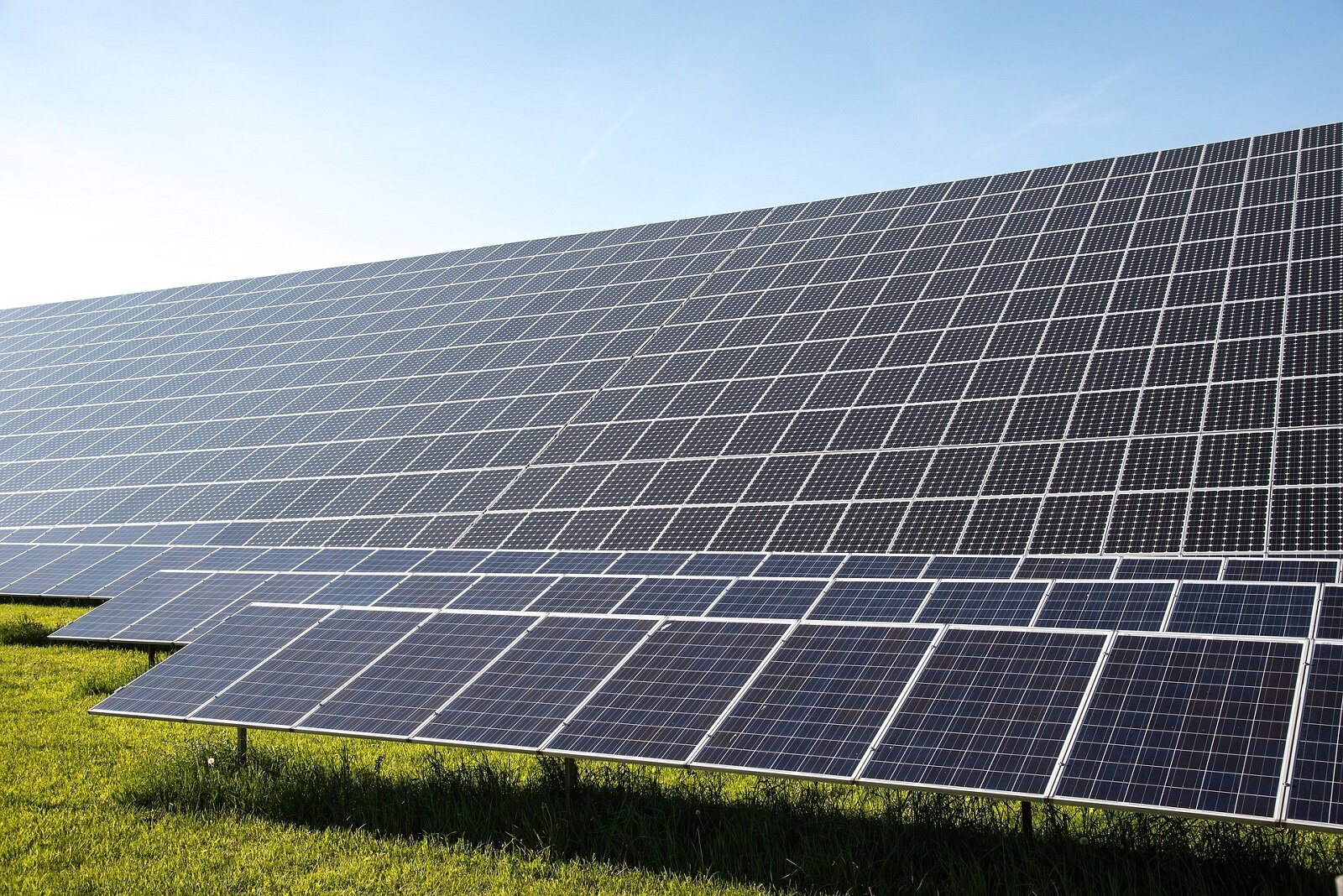
Open the bill of lading to see the details, the changes are hidden in each type of product. The export volume of silicon wafers has hardly decreased, but the export value has increased by nearly 30%; The export volume of battery cells surged by 36.8%, making it the fastest among all categories.
In the past, when the world bought Chinese photovoltaics, they mostly bought a whole box of finished modules. Now, more and more overseas factories are building specifically to purchase core solar cells and transport them back to the local area for final packaging. Ports in Jiangsu and Zhejiang remain busy, while Shaanxi, relying on the production capacity layout of local leading enterprises, saw a 25% year-on-year increase in exports in the first five months, quietly entering the top tier in the country.
New orders in deserts and plateaus
In the deserts of the Middle East, the installation speed of photovoltaic panels is faster than everyone expected. In the first quarter, China's exports of components to the Middle East surged by 470% year-on-year, and energy storage exports directly increased six times. What's even more interesting is that over 90% of orders are no longer short-term orders for a few months, but long-term agreements signed for more than three years.
Saudi Arabia's GW level sovereign projects have landed one after another, from component supply to EPC general contracting. Chinese companies are no longer peripheral suppliers, but have directly entered the core projects of local energy transformation.
On the highlands of Africa, the roar of diesel generators is slowly diminishing. In the past 12 months, China's exports of components to Africa have surged to 23GW, tied with the Middle East market. After Nigeria and Egypt cancelled diesel subsidies, local businesses and residents have switched to "photovoltaic+energy storage" solutions. In the past, more than half of Africa's photovoltaic imports went to South Africa, but now this proportion has dropped to 20%. The total import volume of solar cells in Ethiopia, Kenya, and Nigeria exceeded 9GW in half a year, and grid level photovoltaic projects are blooming all over the continent.
The factory landed along the route
The third step for China's photovoltaic industry to go global is shifting from shipping products to building factories. In June, Trina Solar's 5GW module factory located in Abu Dhabi, United Arab Emirates, was officially put into operation, making it the first GW level photovoltaic manufacturing base in the Gulf region; Saudi Arabia's 10GW silicon wafer battery project has also started construction and will be put into operation next year.

The China Egypt Teda Suez Economic and Trade Cooperation Zone in Africa has put into operation a 5GW integrated photovoltaic base with a total investment of over 150 million US dollars. The Egyptian Prime Minister personally witnessed the unveiling. The 10GWh energy storage plant that starts construction in August will be the first large-scale energy storage system manufacturing base in the entire Middle East and Africa region. The local photovoltaic production capacity in Africa is expected to double from last year's 800MW to 3500MW by 2026. These products with local origin labels can also rely on tariff advantages to radiate to the European and North American markets, becoming a new transit point in China's global photovoltaic layout.
The story of China's photovoltaic industry going global, from entering the market with low-priced components, to entering sovereign level projects with long-term cooperative solutions, and then building factories directly in the hinterland of target markets, is no longer an old script of relying on quantity to compete for price. On this new route, we are competing for technological depth, localized operational capabilities, and a long-term understanding of regional energy demand.Editor/Cheng Liting
Comment




 Praise
 Collect
 Comment

 Share
Share


Write something~