 Search


- Morocco's € 405 million financing has been secured, increasing the certainty of high-speed rail funding
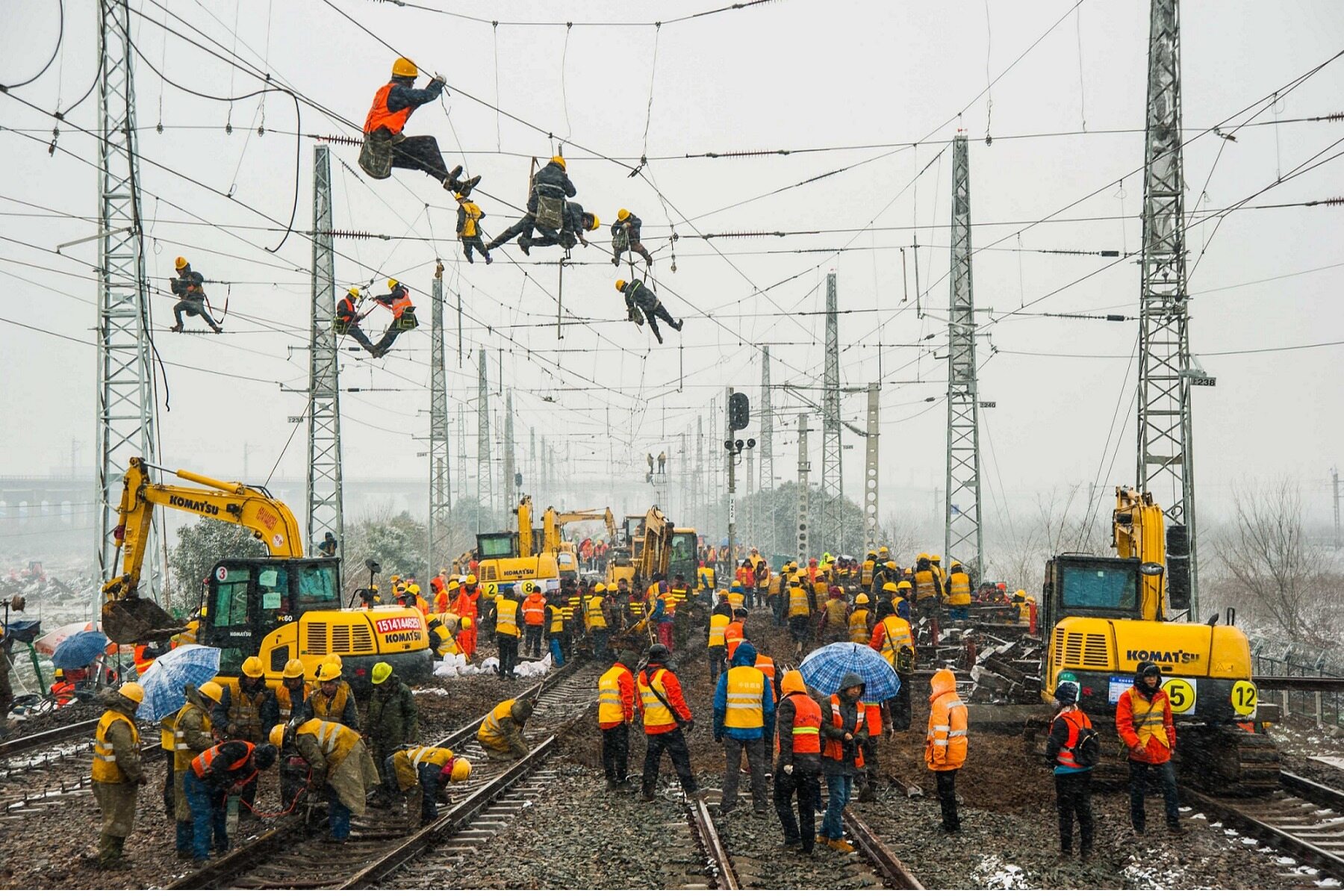
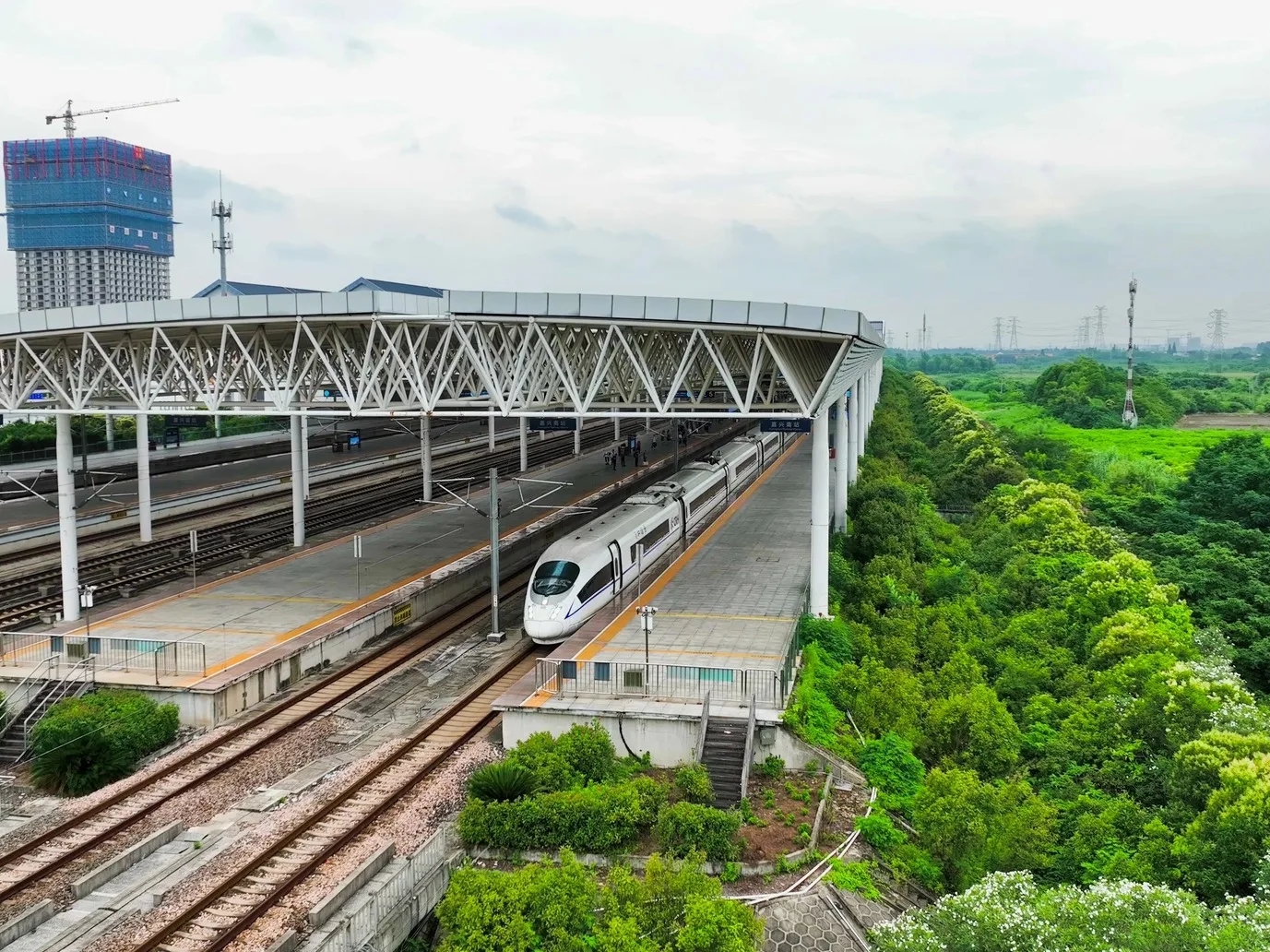
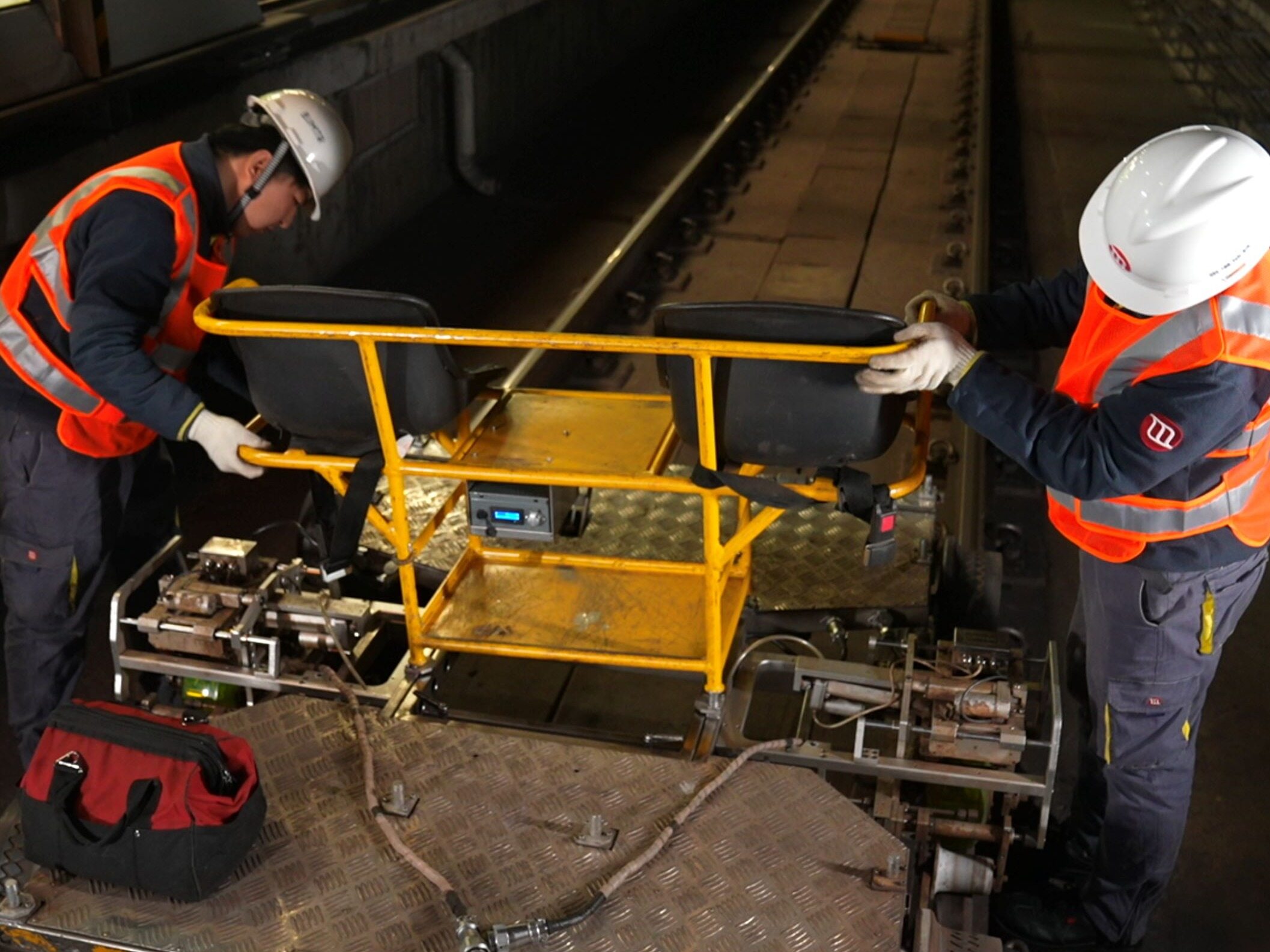
As a high-speed train from Tangier passed by Kenitra, the crane on the construction site was busy with another high-speed railway that had not yet been opened to traffic. The new line, approximately 430 kilometers long from Kenitra to Marrakesh, is being transformed from a blueprint into a roadbed, and some of the steel rails and switches that will be laid on it in the future have been labeled with the names of Chinese companies.
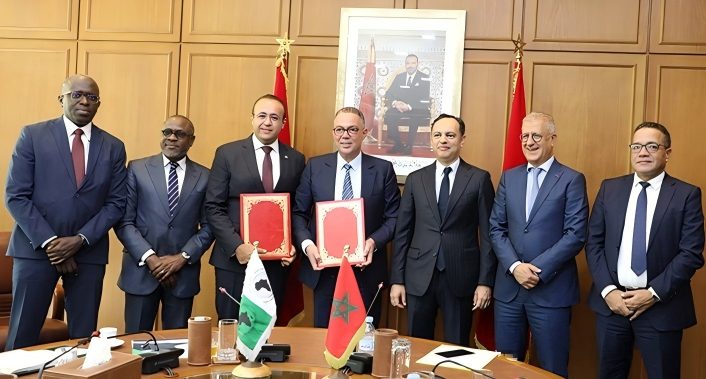
On September 17, 2026, in Rabat, the Moroccan government signed two financing agreements with the African Development Bank, totaling 405 million euros, or approximately 4.42 billion dirhams. Among them, 205 million euros will be invested in the PADIF railway infrastructure development support project, and another 200 million euros will be invested in the CapComp é tences2030 vocational skills project. This is not a sudden decision - the African Development Bank's board of directors had already approved PADIF's financing as early as July 8th, and on September 17th, the funds were officially nailed into the execution process.
The Chinese figure on the steel rail
The time when Chinese enterprises entered this railway supply chain was much earlier than this signing.
In September 2024, China Railway Fourth Group won the first high-speed railway civil engineering bid section, with a contract amount of 3.4 billion dirhams, covering 63 kilometers of earthwork, bridge and culvert, road restoration, and fencing projects. A month earlier, China Railway Shanqiao Group had already secured a section for the supply of turnouts on the existing Kenitra Marrakesh railway line. In April 2025, a consortium consisting of China Railway Materials Hong Kong Macau and Ansteel signed a new rail contract for Zhongbiao, with a total amount of 489 million dirhams; In the same month, a consortium consisting of CARS Beijing Railway Equipment Technology and Jiangsu Tengmin won the contract for high-speed railway turnout equipment.
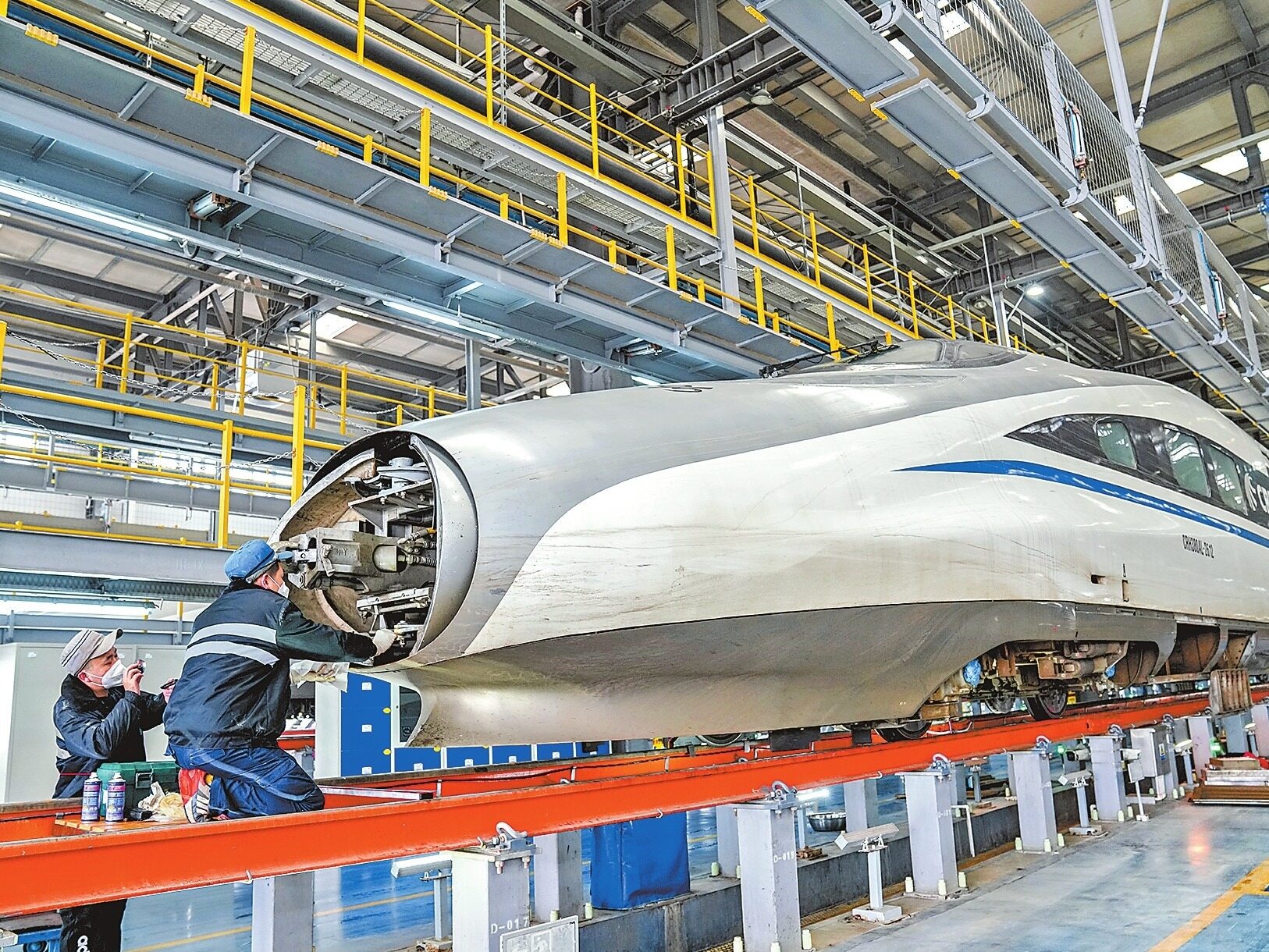
From earthworks to steel rails, from bridges and culverts to turnouts, this rare large-scale high-speed railway project in Africa has already established a systematic supply chain from China. The Tangier Casablanca line, which was previously opened in Morocco, is the first high-speed railway in Africa. Coupled with major sporting events and passenger pressure around 2030, it is almost impossible for this southbound corridor to slow down.
How did this money land
According to the conversion given by the Ministry of Finance of Morocco, 205 million euros is approximately 2.24 billion dirhams. In April of this year, ONCF disclosed a budget of 53 billion dirhams for the infrastructure and equipment related to this high-speed rail, with this financing accounting for approximately 4.2%.
It's not everything, just a supplement. The project covers the Kenitra Marrakesh corridor, including high-speed rail extension, existing railway upgrades, as well as new rails, track components, and project management support. This means that money will not be scattered indiscriminately, but will be delivered one by one along with procurement, execution, and award documents. For enterprises that have already won the bid, construction organization, delivery pace, and upstream and downstream procurement will be directly affected by the pace of funding availability; For new entrants, independent bidding, general contracting and subcontracting, and local supply chain procurement are more realistic entry points.
Where is the next order
Railway investment is constantly opening up new professional packages. In July, ONCF announced a station and technology center elevator and escalator project worth approximately 180 million dirhams; In August, there was a re bidding for the station project in the direction of Marrakesh Bengali; In September, ONCF launched a plan for video surveillance, artificial intelligence, and centralized monitoring systems targeting around 6000 cameras by 2030.
Another € 200 million skills project is also worth noting. It is designed as result oriented financing, with a focus on digitalization of vocational training, large-scale apprenticeship training, and employment integration. The Moroccan employment authority announced on September 17th that it will first promote apprenticeship programs for 260000 young people without diplomas in the next five years. For Chinese enterprises building factories, contracting projects, and requiring a large number of skilled workers in Morocco, this means that the local recruitment and training channels will gradually stabilize.keywords:Engineering infrastructure
To determine where the money is going, it is enough to focus on three types of documents: the procurement announcement and execution documents of PADIF project P-MA-DC0-017, the new bidding and award results of ONCF, and the implementation details of CapComp é tences2030. The real increase in the signing on September 17th is the certainty of funds and the pace of execution. The new contracts will still be included in the public procurement package by package.Editor/Yang Meiling
Comment

 Praise
 Collect
 Comment

 Share
Share


Write something~