 Search


- Total Energy partners finalize investment decision for Azerbaijan gas fields
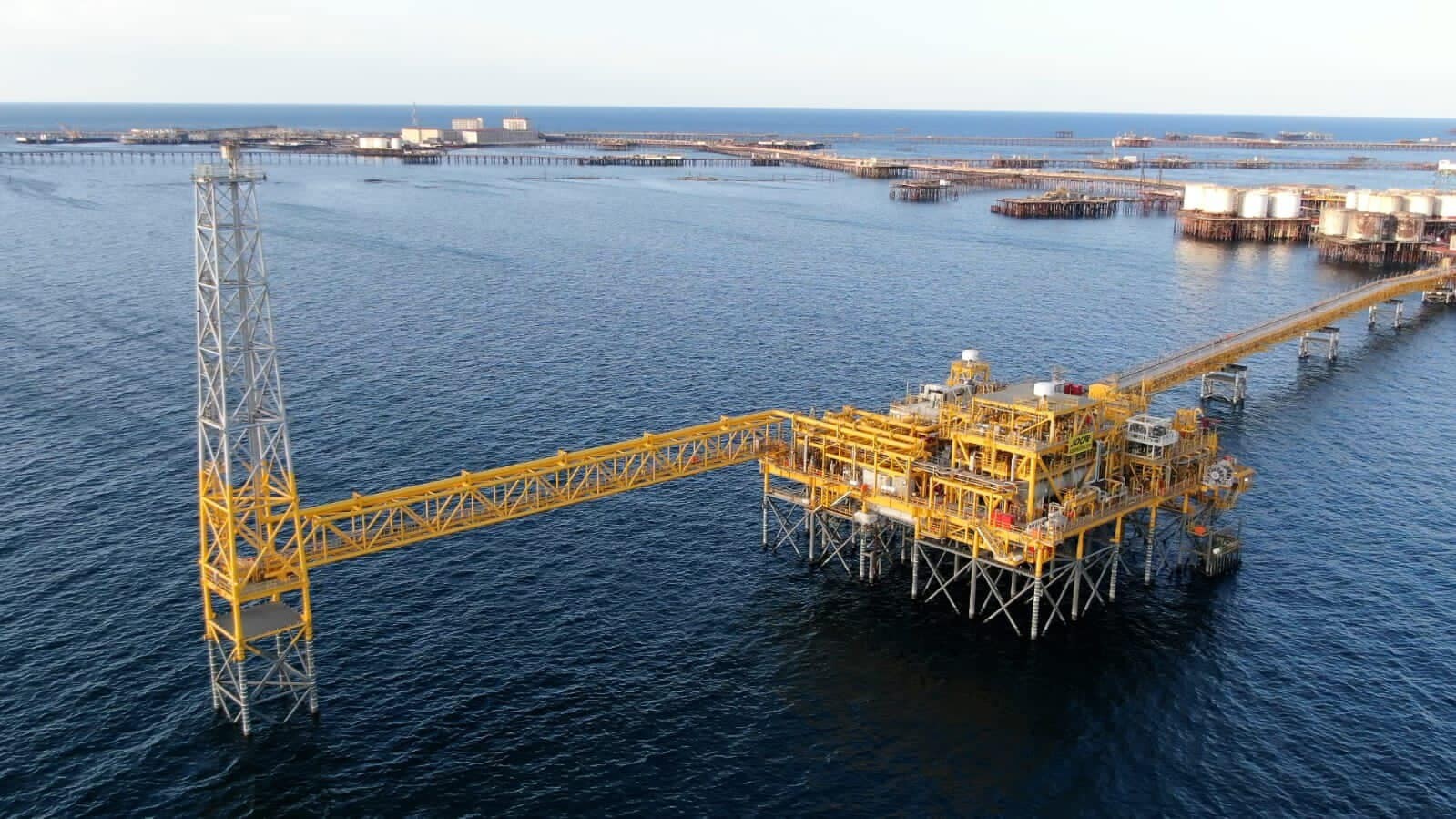
On the sea area 100 kilometers southeast of Baku in the Caspian Sea, the preliminary survey ship for the second phase development of the Abu Shalon gas field has just completed the final round of seabed mapping. Total Energy, in collaboration with Azerbaijan SOCAR and UAE XRG, has officially finalized the final investment decision, marking the beginning of the comprehensive development of this core gas field in the Caspian Sea.
Low cost and low-carbon development to release storage potential
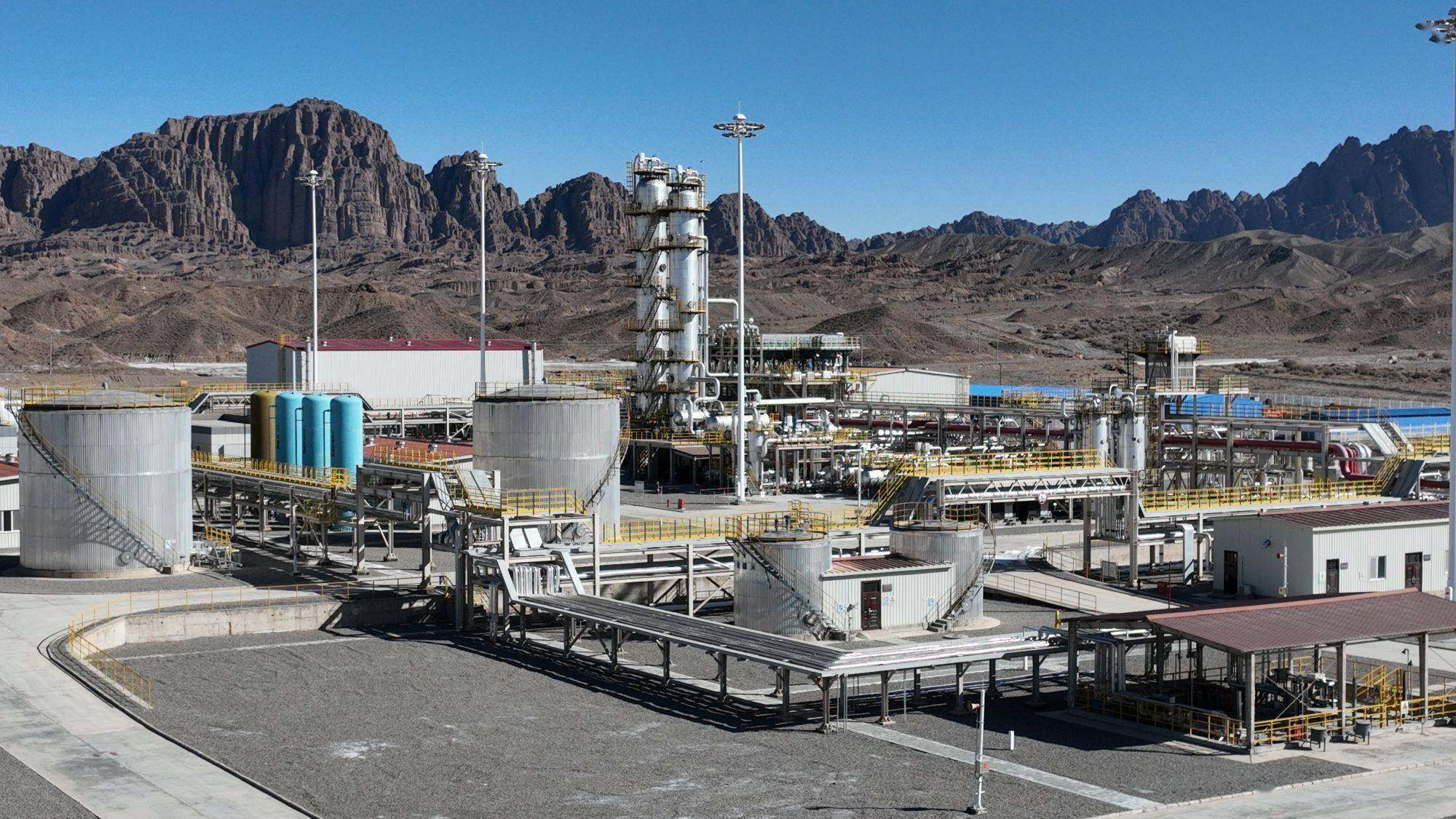
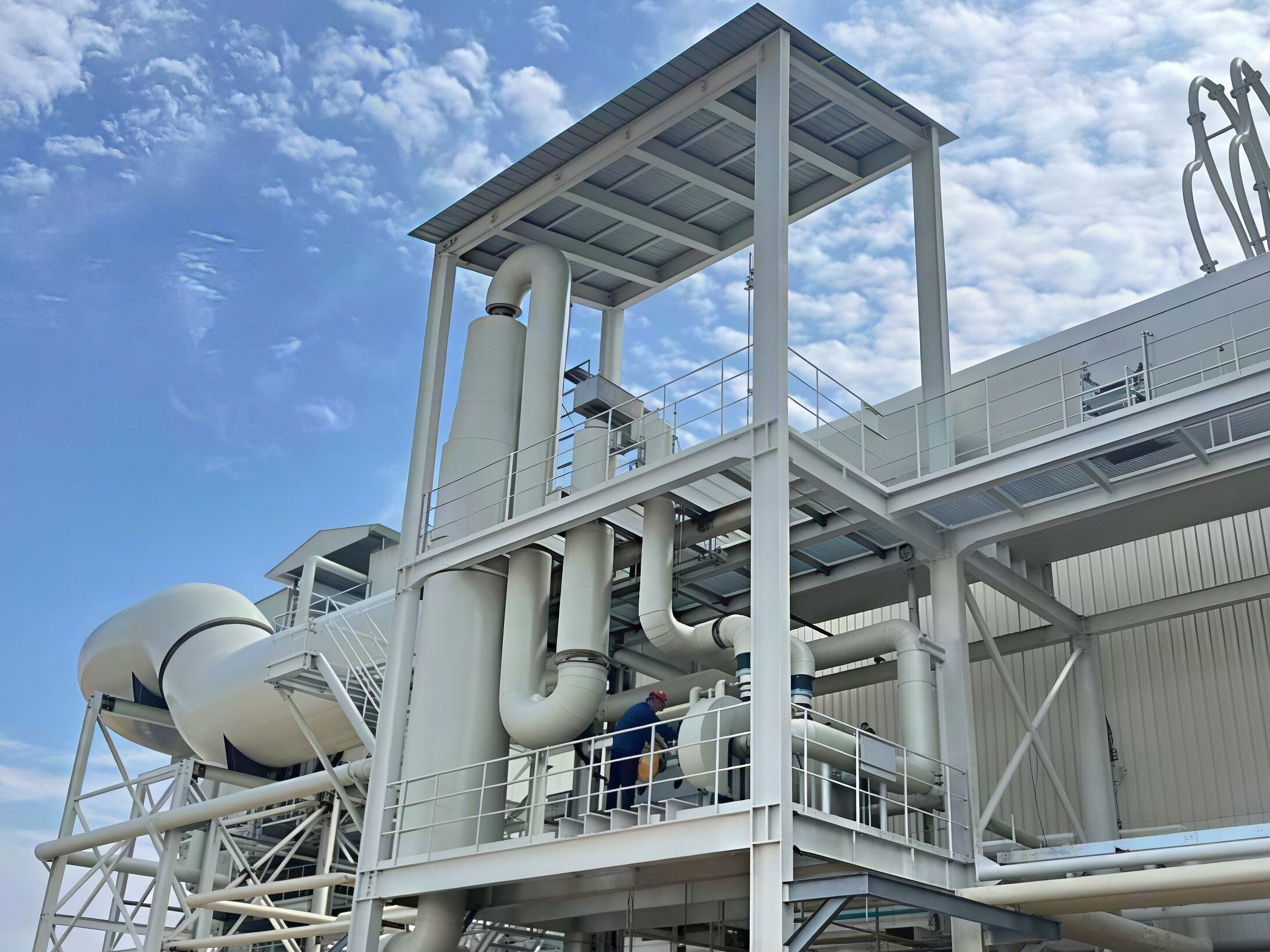
After the first phase of the Abu Shalong gas field is put into operation in 2023, it has achieved a stable production capacity of 1.5 billion cubic meters of natural gas per year and 12000 barrels of condensate per day. This comprehensive development will increase the total production capacity of the gas field to 6 billion cubic meters of natural gas per year and 47000 barrels of condensate per day on the existing basis. The project relies on four subsea production wells to complete mining, and is transported to a newly built onshore treatment plant through fully automated subsea pipelines. The treatment plant adopts a fully electrified design to minimize energy consumption and greenhouse gas emissions.
At present, the proven recoverable natural gas reserves of the gas field are about 140 billion cubic meters. The greenhouse gas emission intensity of project scope 1 and scope 2 will be controlled below 4 kilograms of carbon dioxide equivalent per barrel of oil, far below the average emission level of conventional offshore gas fields worldwide.
The preliminary survey work for all underwater projects has been completed in the third quarter of 2026, and the marine environmental impact assessment report has been officially approved by the Azerbaijani government. The first batch of prefabrication orders for underwater pipelines was sent out in late September, and the overall progress is 12 days ahead of the original plan.
Cross regional pipeline network collaboration strengthens energy channels
The natural gas produced after the project is put into operation will be simultaneously supplied to the domestic market of Azerbaijan. At the same time, it will be exported to Türkiye by relying on the existing pipeline network and connected to the southern natural gas corridor with a total length of 3500 kilometers. The transmission network can cover more than 15 European countries. This layout will directly supplement stable gas sources across the Caspian Sea and provide important support for the regional energy supply system. Keywords: Azerbaijani gas fields, regional energy supply
This tripartite joint development also forms a deep synergy with XRG's existing investment in the southern natural gas corridor, directly connecting the core natural gas resources of the Caspian Sea to the European terminal market. The project is scheduled to officially start production in 2029, and in the first five years after production, it will enter a phase of steady capacity ramp up. It is expected to achieve full load stable operation by 2033, injecting sustained power into the long-term stable output of the Eurasian energy corridor.Editor/Cheng Liting
Comment

 Praise
 Collect
 Comment

 Share
Share


Write something~