 Search


- A reservoir with a storage capacity of 28.4 million cubic meters provides irrigation water for 12000 hectares of riverside grassland
- Protect about 5000 people in two residential areas from flooding and turn annual floods into controllable water resources
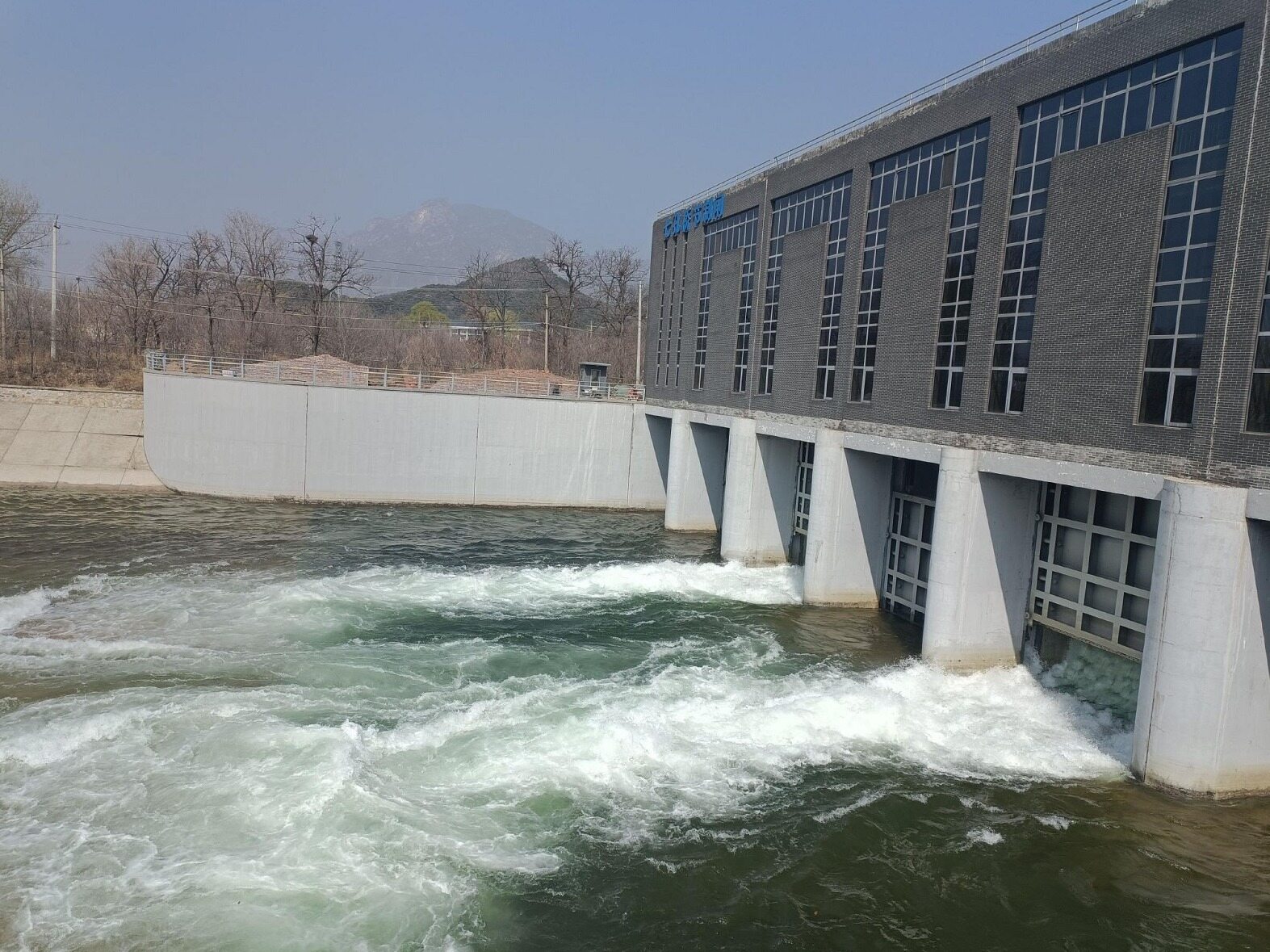
Every spring, melting snow pours down from the Obsh Heights, and the Great Uzin River transforms from a quiet shallow river into an overflowing torrent within a few days. The two residential areas downstream of Zhalpaktar Village are all familiar with this: the depression first accumulates water, the grassland is soaked in the water, and the road to the village is sometimes interrupted and sometimes connected. In summer, the river water becomes thinner again, and the riverside grassland looks forward to rain. There is not much water left in the channel flowing to the ground. This river, with a total length of 650 kilometers and a drainage area of 15600 square kilometers, originates in Russia and freezes from November to April of the following year, with almost all of its water coming from snowmelt. The two faces in a year make the coastal people both afraid of it coming and afraid of it not coming.
Two faces of a river
The Dawujin River is a typical cross-border river. In years of water shortage, Kazakhstan relies on the Saratov Canal and Palasov Canal to replenish water from the Ural River, and then sends it to West Kazakhstan Oblast through pumping stations. Russia and Kazakhstan have signed a water supply contract for this purpose. Water is not easily obtained, and this region is one of the main grain producing areas in Kazakhstan. Expanding to the whole country, the pressure is even more obvious: seven of the eight major rivers are cross-border rivers, and about 44% of the surface water comes from neighboring countries. Once the upstream is intercepted, the downstream becomes tight; It is predicted that by 2040, the country's water resources may only meet half of the national demand. Out of 1395 key water conservancy facilities nationwide, 560 require maintenance and 20 are in an emergency state. The old facilities are leaking water and cannot withstand floods.
Three accounts of a reservoir
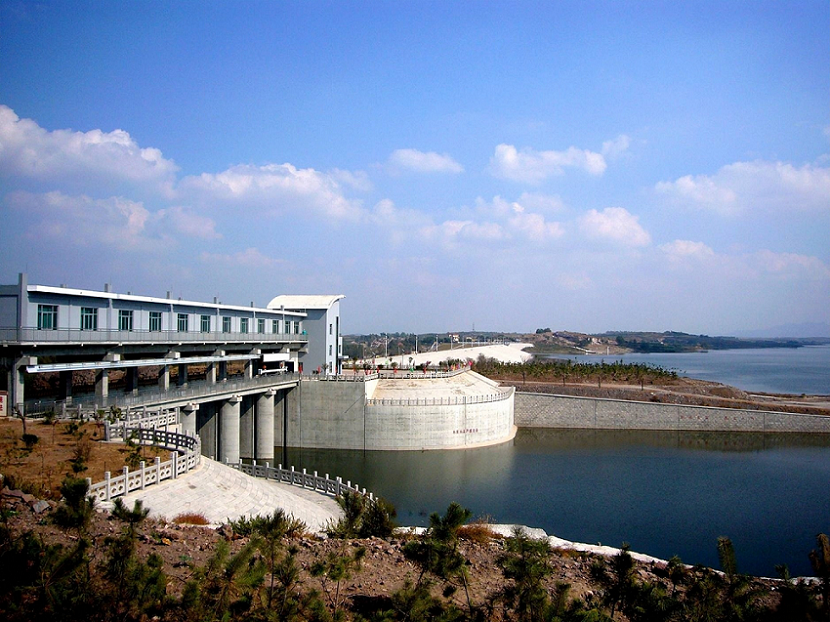
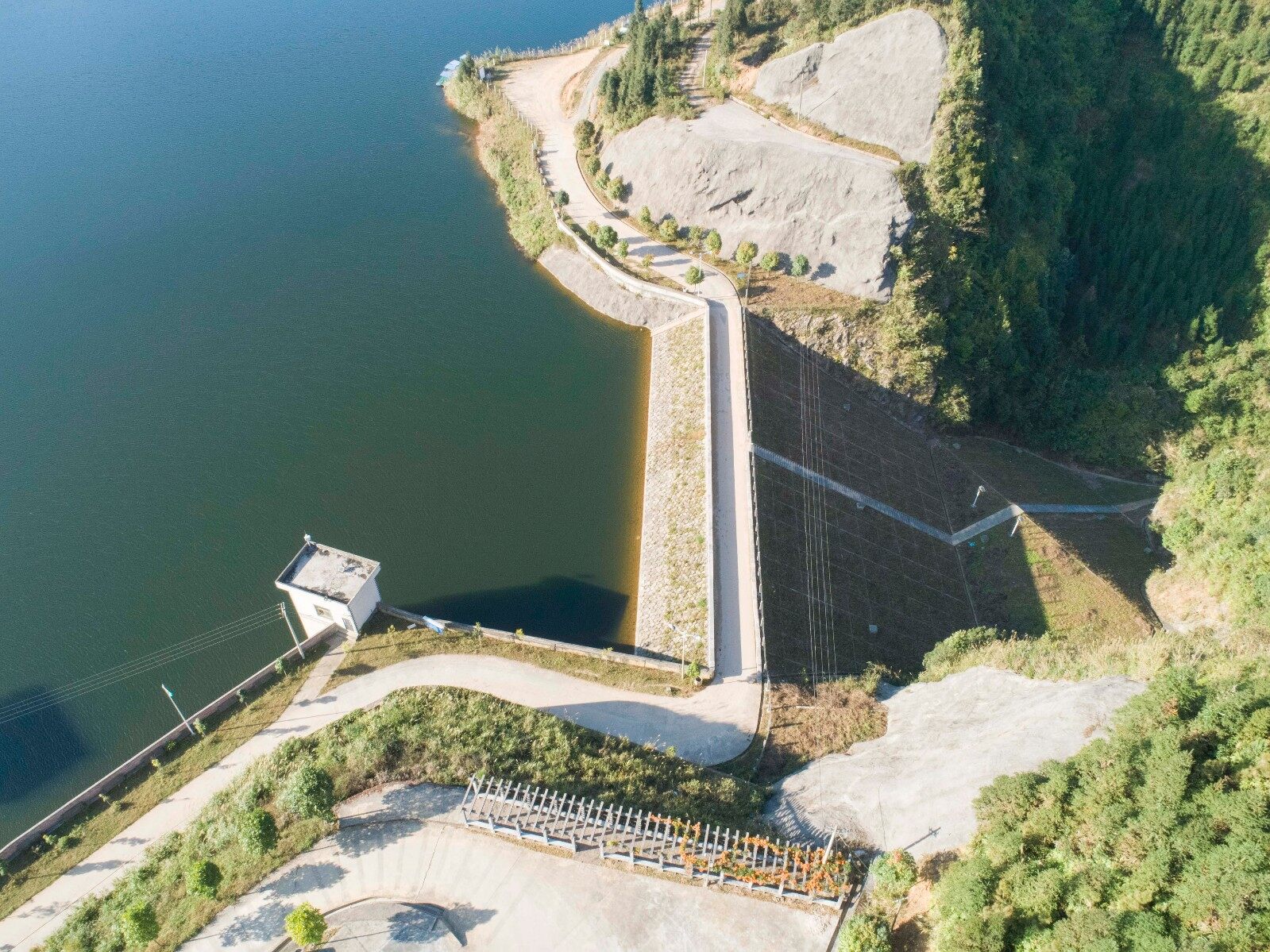
The Great Uzin River Reservoir, which is being pushed forward in the Kaztarovski District, is calculated as a comprehensive account. The project is located upstream of Zarpaktar village, with a storage capacity of 28.4 million cubic meters and a cost of approximately 8.7 billion tenge. It was launched with the support of the Islamic Development Bank. The first account is irrigation: after completion, it can irrigate 12000 hectares of riverside grassland, and plans to expand to 20000 hectares in the future, turning snowmelt water from flowing away in vain into a usable resource. The second account is flood prevention: blocking the spring flood peak and protecting about 5000 people in two downstream residential areas from flooding. The third account is management: all projects have introduced automated water quantity accounting systems to improve water resource management accuracy and reduce waste. For the grasslands along the river, a stable season of water is often the watershed for a year's harvest.
Puzzle of forty-two reservoirs
The Dawujin Reservoir is not an isolated case. According to the plan, Kazakhstan will build 42 new reservoirs by 2030, of which three have already been completed. At the same time, 37 existing water conservancy facilities will be renovated and 14000 kilometers of irrigation channels will be renovated. These new reservoirs will protect 216 settlements, collect 1.5 billion cubic meters of floods, and add 295000 hectares of irrigated area. Efficiency is also improving: by 2025, the country will rebuild 678 kilometers of irrigation channels, reducing water loss from about 50% to 25%, and promoting water-saving technologies to save 874 million cubic meters of water. In West Kazakhstan Oblast, in addition to the construction of the Grand Uzin Reservoir, the Bijik Reservoir and four main canals will also be rebuilt. After the completion of all projects, it is expected to improve the water supply conditions of about 28500 hectares of land, achieve more stable water supply, less loss, and higher irrigation efficiency.keywords:Engineering infrastructure
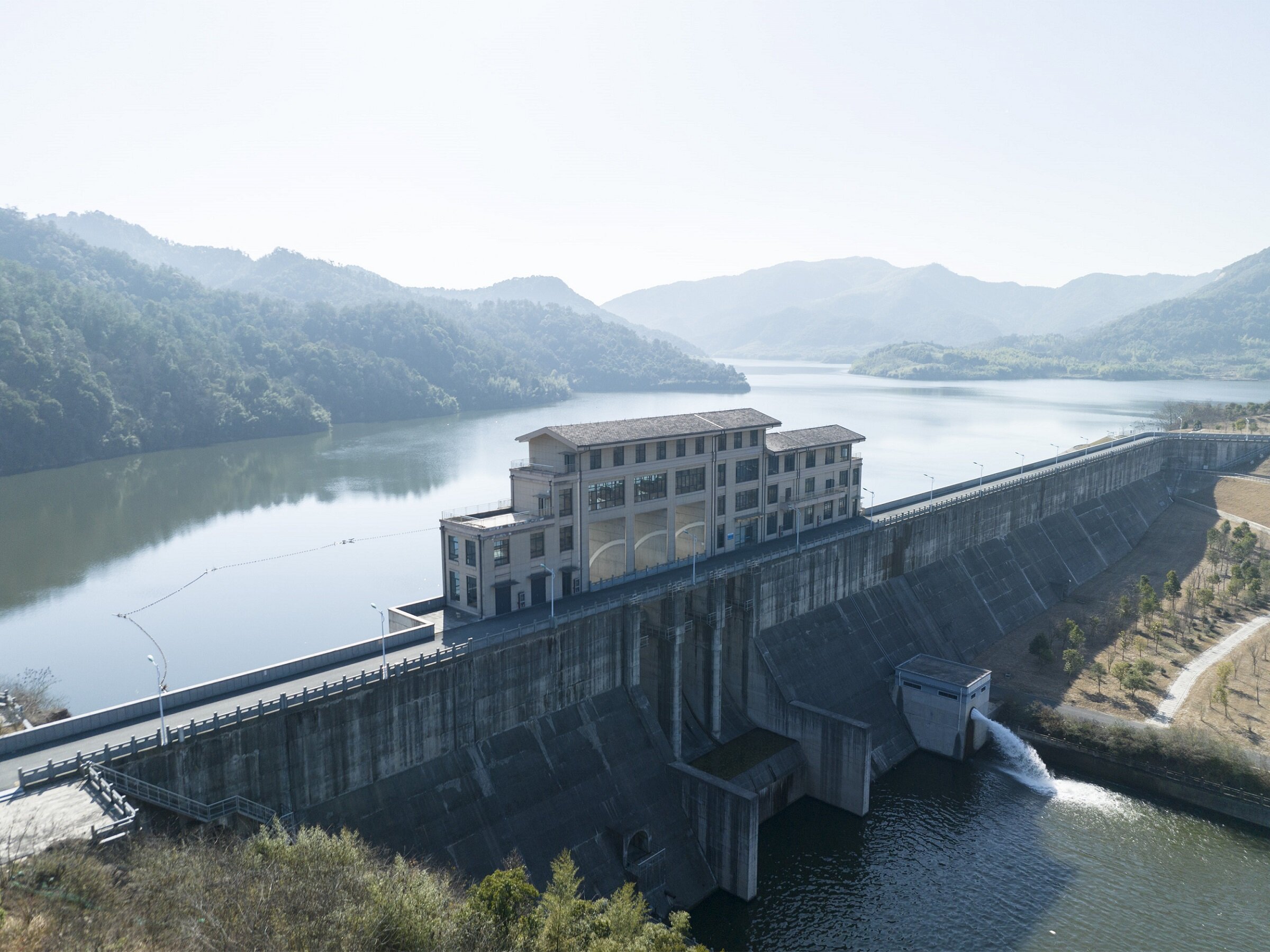
On September 26, 2026, Nurjan Nurzhitov, the Minister of Water Resources and Irrigation of Kazakhstan, met with local residents in Ural City to introduce the development of the region's water industry. He stated that water conservancy issues require collaboration between central and local executive agencies, water conservancy organizations, and water users to solve. At the meeting, residents raised their opinions on the depletion of small rivers, water pollution, and the renovation of water conservancy facilities. He then conducted personal visits and made arrangements to the relevant committees and heads of subordinate institutions. For people along the Da Wu Jin River, the significance of a reservoir is actually very simple: in spring, they no longer have to worry, and in summer, there is water available.Editor/Yang Meiling
Comment





 Praise
 Collect
 Comment

 Share
Share


Write something~