 Search


- The project will help Indonesia's mineral downstream and alleviate the global aluminum supply gap
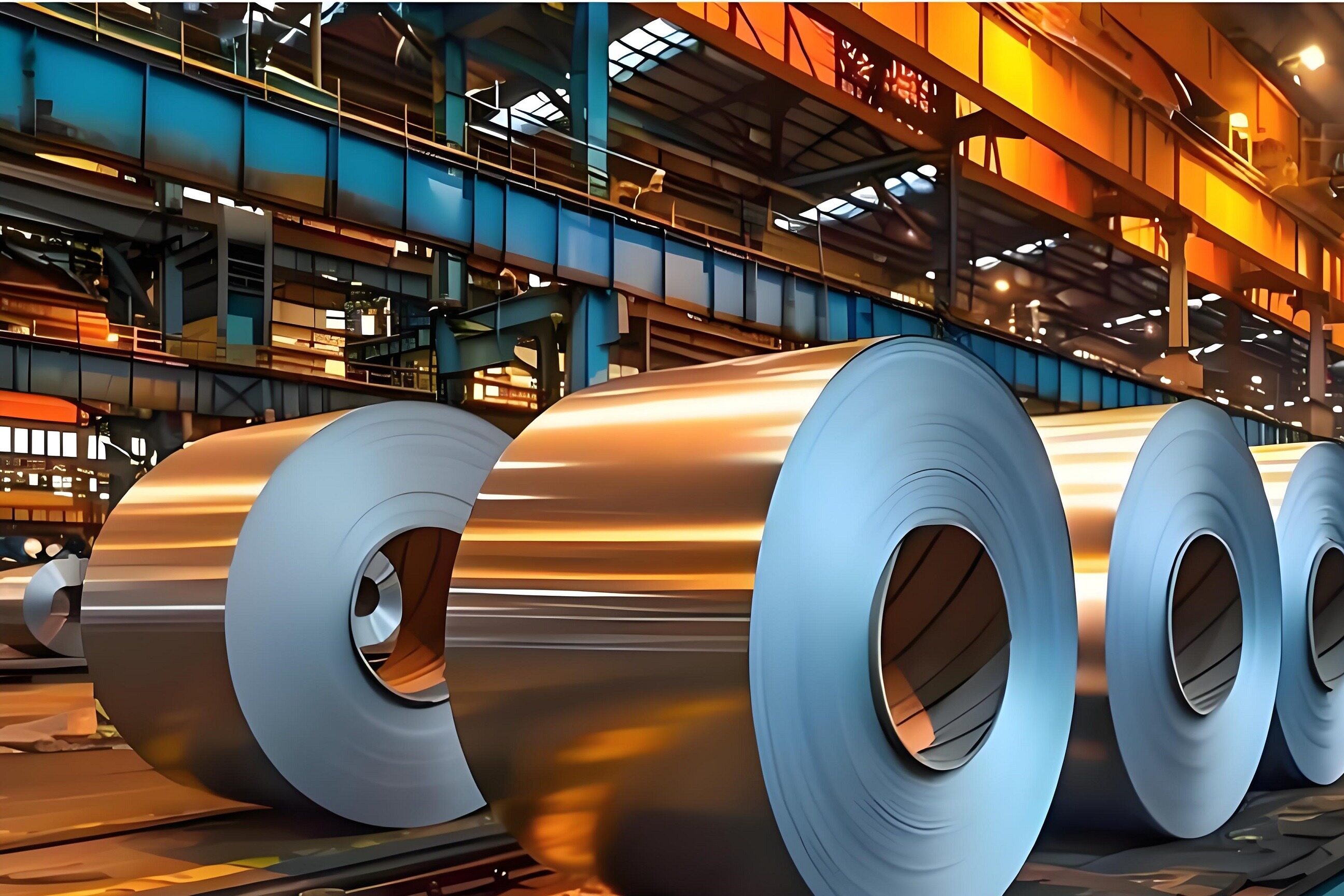
On October 9, 2026, in the Widabe Industrial Park in North Maluku Province, Indonesia, Indonesian President Prabowo officially announced the start of development for two electrolytic aluminum factories. This is one of the first four industrial projects to be concentrated in the Weidabei Industrial Park, with a total investment of over 10 billion US dollars, marking a crucial step in Indonesia's mineral downstream strategy and adding new supply variables to the global aluminum market.
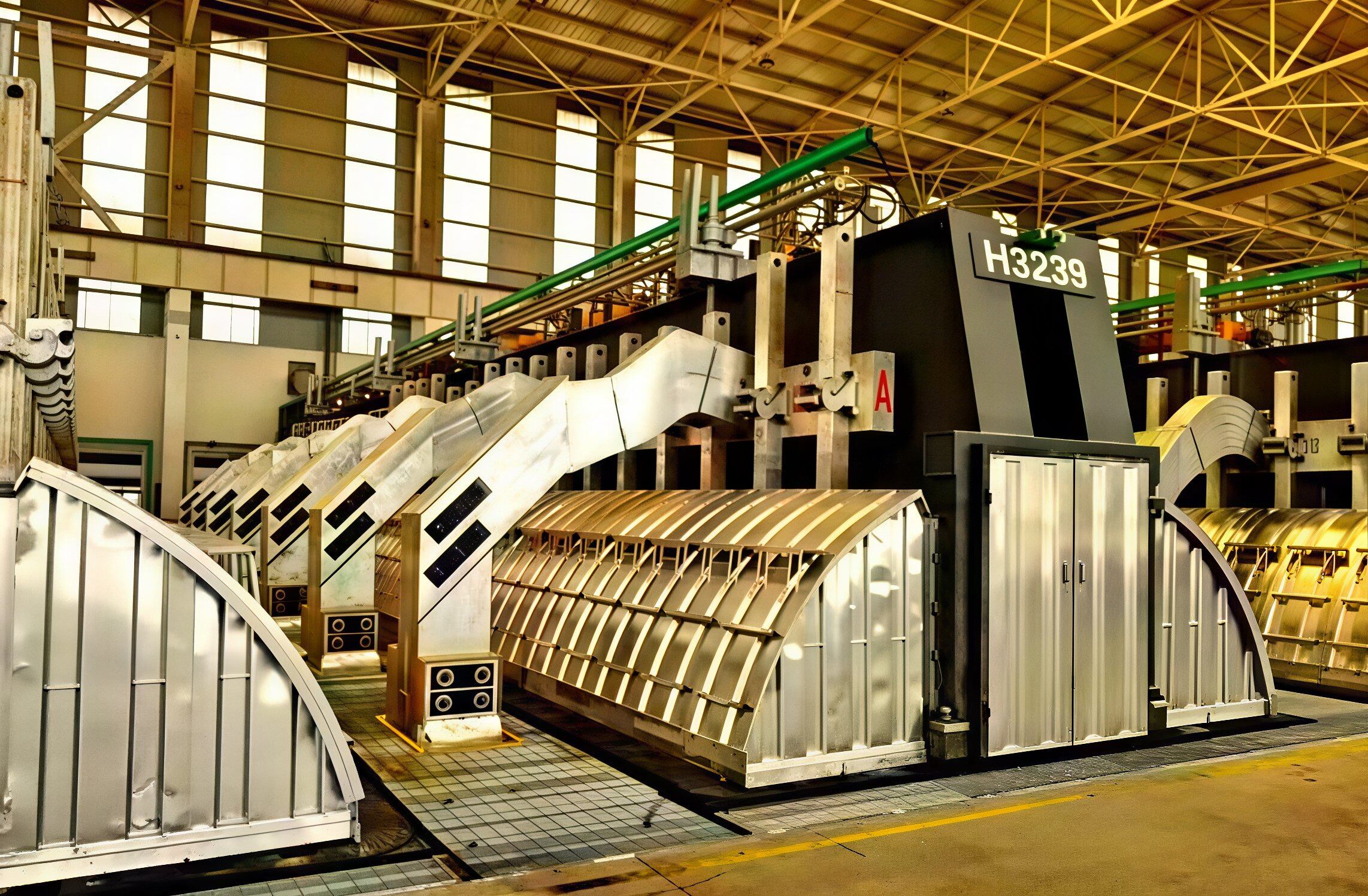
Two aluminum plants officially launched
Two aluminum factories have settled in the Weidabei Industrial Park, which is led by China Qingshan Enterprise for development. The project operator is PT Weda Bay Aluminum, which is a benchmark project in the overseas aluminum industry with deep participation of Chinese capital. The project relies on the abundant bauxite resources in the local area and is synchronized with the park's self provided energy system to achieve nearby guarantee of raw materials and electricity. This project fully aligns with Indonesia's core industry policy of restricting the direct export of bauxite raw ore and promoting local deep processing, converting bauxite resources directly into high value-added electrolytic aluminum products domestically and extending the entire mineral industry chain. The sharing and reuse of energy, logistics, and supporting facilities with the existing nickel industry cluster in the park significantly reduces the infrastructure and operating costs of electrolytic aluminum production, fully replicating the mature development model of Qingshan Group in Indonesia's resource, energy, and smelting full loop.
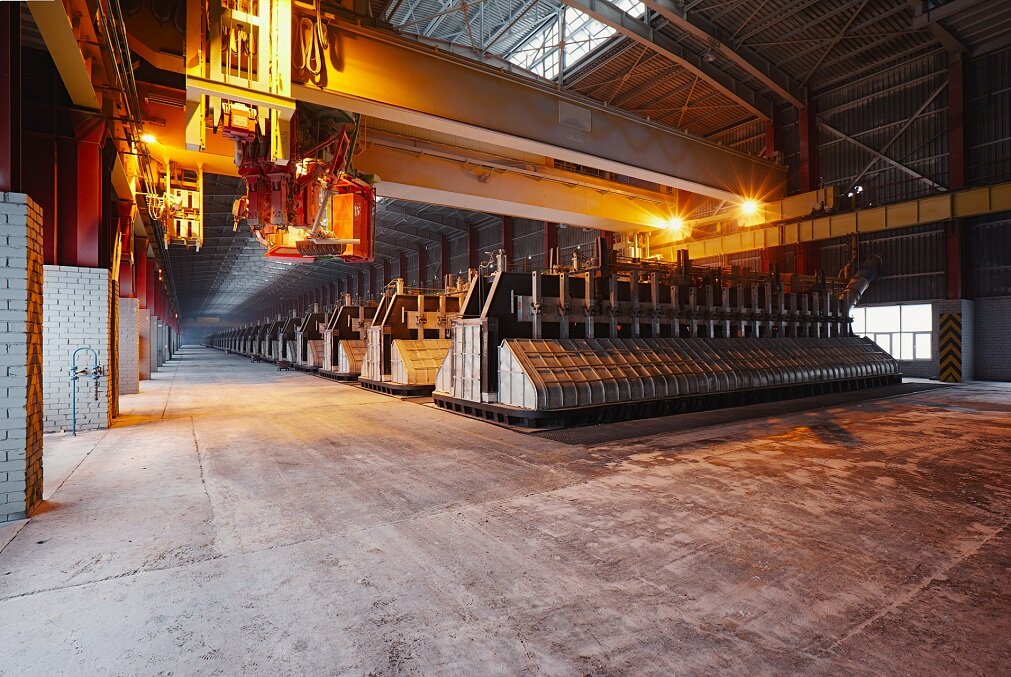
Investing over billions of dollars
The total investment of the two electrolytic aluminum plants exceeds 10 billion US dollars, with a separate investment of 3 billion US dollars for a single 800000 ton electrolytic aluminum project, which will be constructed in two equal phases. After the completion of the project, the electrolytic aluminum production capacity will be increased in scale, and will be released in an orderly manner in stages according to the plan. The earliest batch of production capacity is expected to be put into operation within 1 to 2 years, and full production operation will be achieved around 2028. After the project is implemented, the total output of electrolytic aluminum in Indonesia will reach 1.98 million tons by the end of 2026, a significant increase in production capacity compared to before. After the project was launched, the total investment of 11 Chinese funded projects that have landed in Weidabei Industrial Park has exceeded 10.2 billion US dollars, covering multiple tracks such as power batteries, nickel cobalt materials, electrolytic aluminum, etc., promoting the upgrading of the park from a single nickel industry to a diversified non-ferrous metal industry cluster. Keywords: Southeast Asian News Network, International, Electrolytic Aluminum
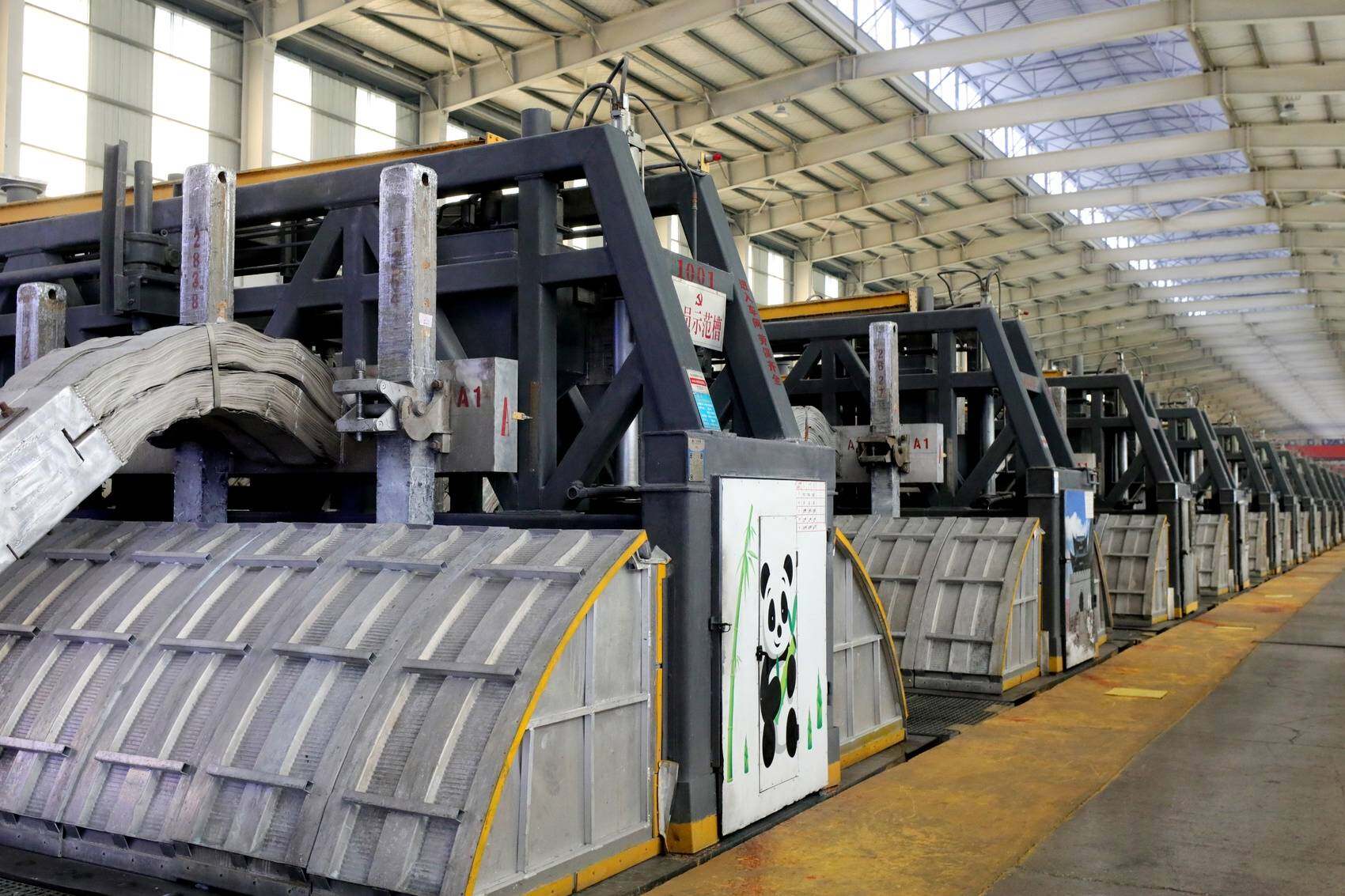
Global aluminum supply increases
The current geopolitical conflict in the Middle East has led to a passive reduction in global electrolytic aluminum production capacity of over 2 million tons. The launch of two major electrolytic aluminum factories in Indonesia will become one of the core sources of global aluminum supply increment in the next two years, effectively offsetting the global aluminum supply gap caused by the reduction in production in the Middle East and easing the pressure of sustained high international aluminum prices. This project is a key implementation project of Indonesia's mineral downstream strategy. After completion, it will further consolidate the foundation of Indonesia's local aluminum smelting industry and enhance the country's position in the global non-ferrous metal supply chain. The launch of the two electrolytic aluminum projects in Weidabei is a landmark project under this industry policy, and overseas aluminum production capacity is entering an accelerated release window.Editor/Gao Xue
Comment

 Praise
 Collect
 Comment

 Share
Share


Write something~