 Search


- Global AI investment continues to rise, with significant differences in growth rates among different sectors of computing power
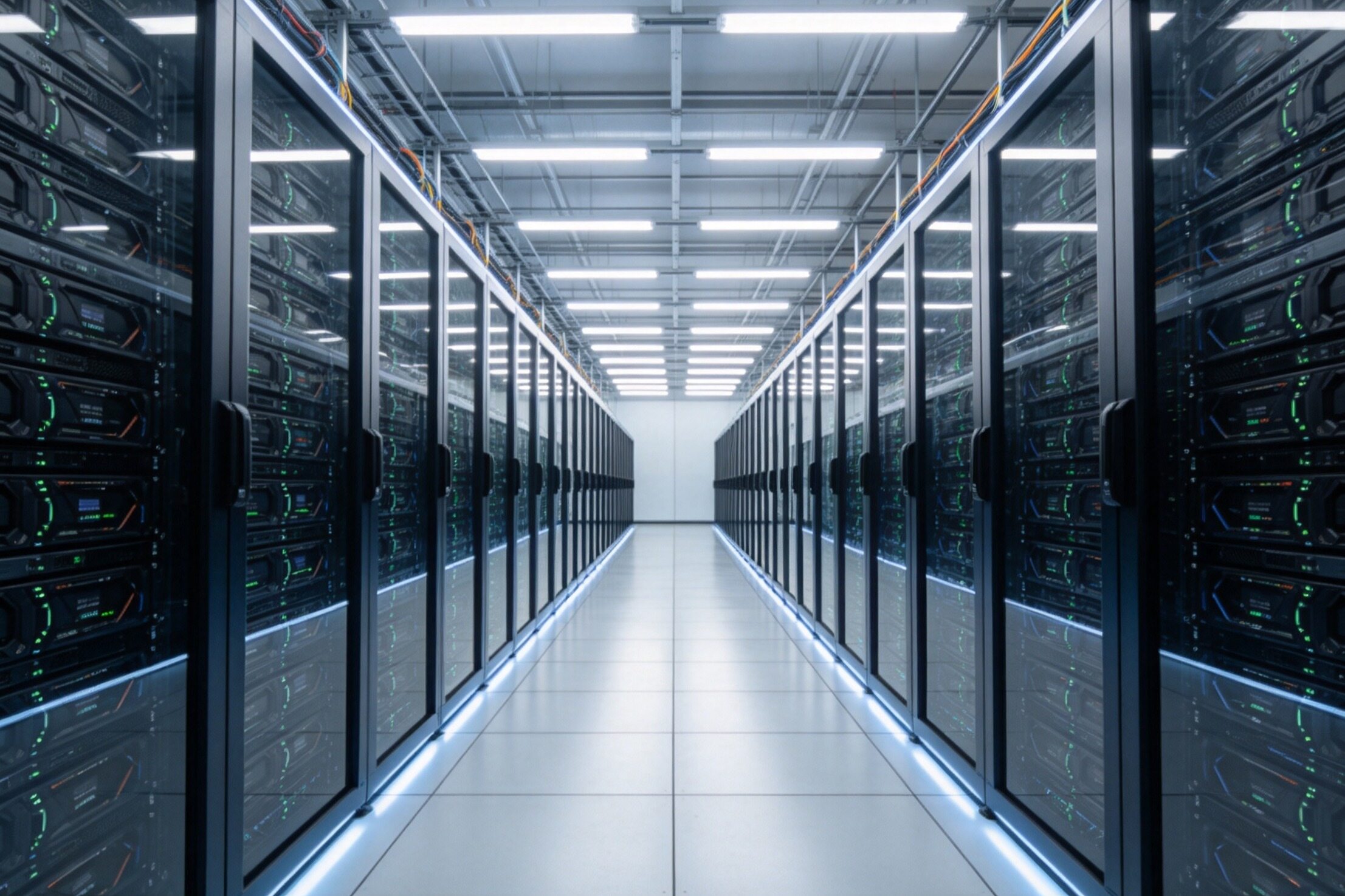
The tropical monsoon blows through the Johor Strait year after year, bringing only humidity and heat in the past. Now, this gust of wind carries the roaring of data rushing forward. Malaysia, once known for its tin mines and rubber, is quietly transforming into the digital heart of Southeast Asia, redefining the future of tropical economies with computing power.

The compound annual growth rate of the Malaysian data center market is expected to reach 33% from 2025 to 2030. The rapid expansion of the industry has increased the pressure on the supply of electricity and water resources, coupled with continuous tightening of regulations, and the market has entered a stage of adjustment. The boom in artificial intelligence is driving demand for data centers. Malaysia has strong domestic demand and also undertakes computing power orders from Singapore due to limited land and supporting resources, making it a rapidly growing computing power market in Southeast Asia. Johor is accelerating its development and gradually growing into the largest data center investment hub in ASEAN.
Ma Data Center welcomes adjustments
After years of rapid expansion, Malaysia's data centers have faced new challenges in the industry due to tight resource supply and increasingly strict regulatory standards. The computing power demand of Singapore and Malaysia continues to radiate outward, and Indonesia and Thailand will also usher in opportunities for industrial development.
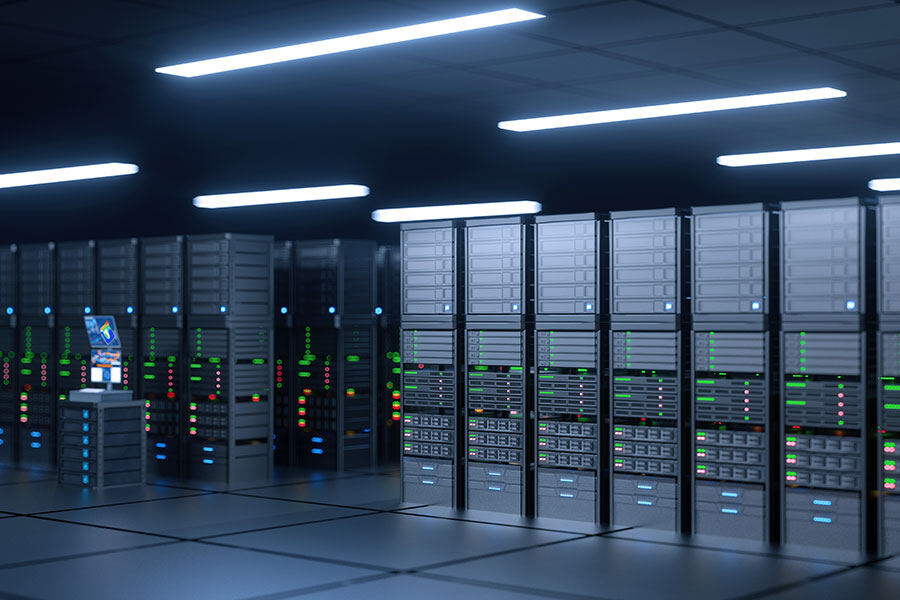
Global AI capital expenditure will increase from $470 billion in 2025 to $870 billion in 2026, and exceed $1.3 trillion in 2027. The demand support comes from multiple sources: internal applications such as Microsoft Copilot, long-term commercial contracts with AI laboratories such as OpenAI, as well as the computing power usage needs of native AI enterprises and various types of enterprises. The global demand for data centers will continue to grow until 2030. The AI reasoning sector is growing the fastest, with a compound annual growth rate of 35% from 2025 to 2030; The growth rate of AI training is 22%, while the growth rate of non AI business load is only 11%.
Technology company debt rises
Large tech companies continue to lay out data centers and AI infrastructure, driving up off balance sheet debt for ultra large scale cloud service providers. As of June 30, 2026, Microsoft's future lease payment obligations have the highest scale, reaching $329.1 billion; Meta、 Oracle and Amazon followed closely behind with $279 billion, $260 billion, and $137.2 billion, respectively. Keywords: Malaysia, data center AI
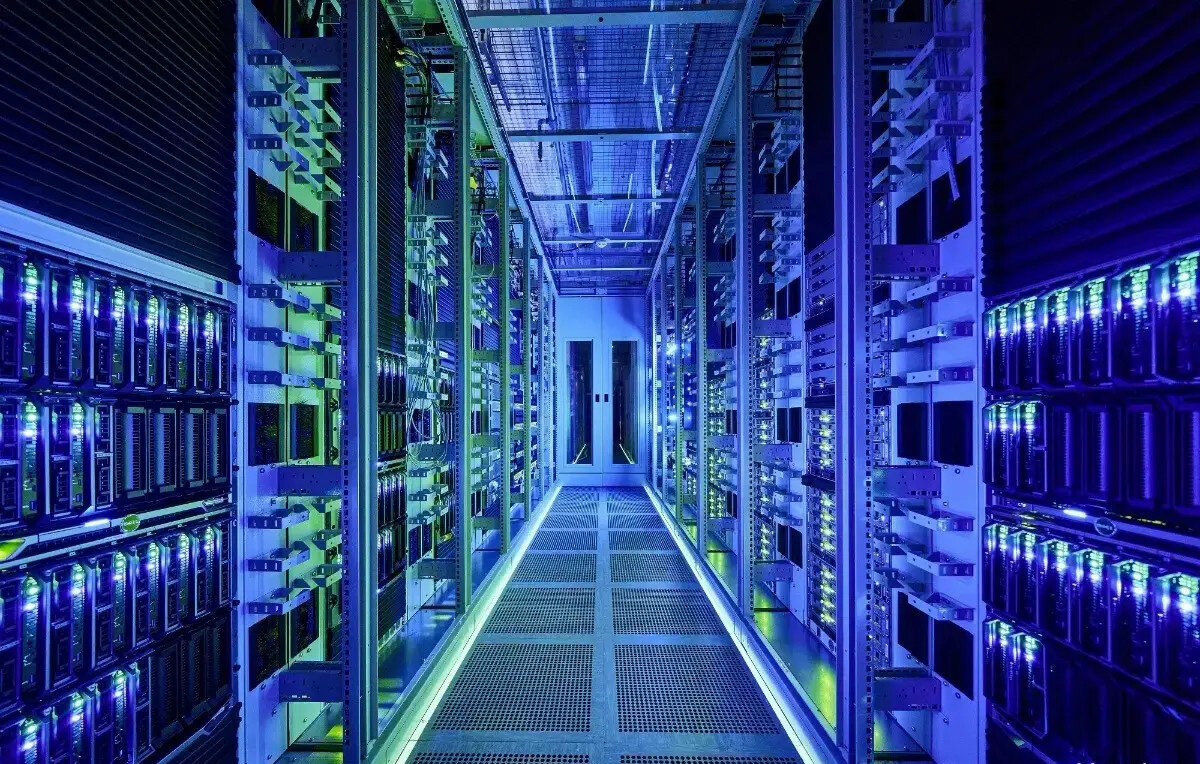
In terms of debt carrying capacity, Alphabet has a scale of $20.06 billion, Microsoft has $161.5 billion, and Meta109.2 billion. Amazon SpaceX、 Oracle's debt commitments are $80.7 billion, $78.5 billion, and $32.4 billion, respectively.Editor/Gong Ziwei
Comment



 Praise
 Collect
 Comment

 Share
Share


Write something~