 Search


- China's infrastructure exports to overseas markets are shifting towards a full lifecycle systematic service output
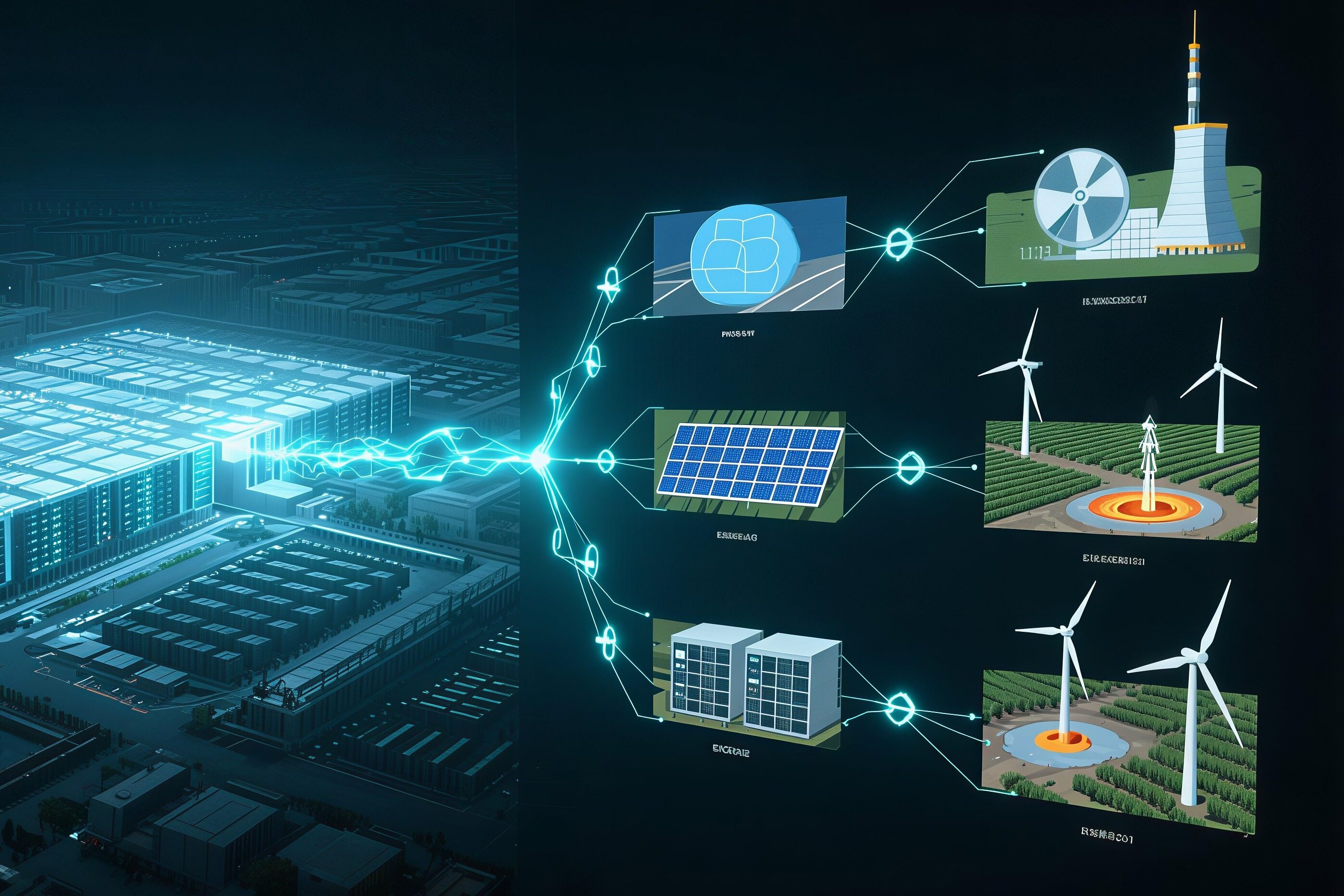
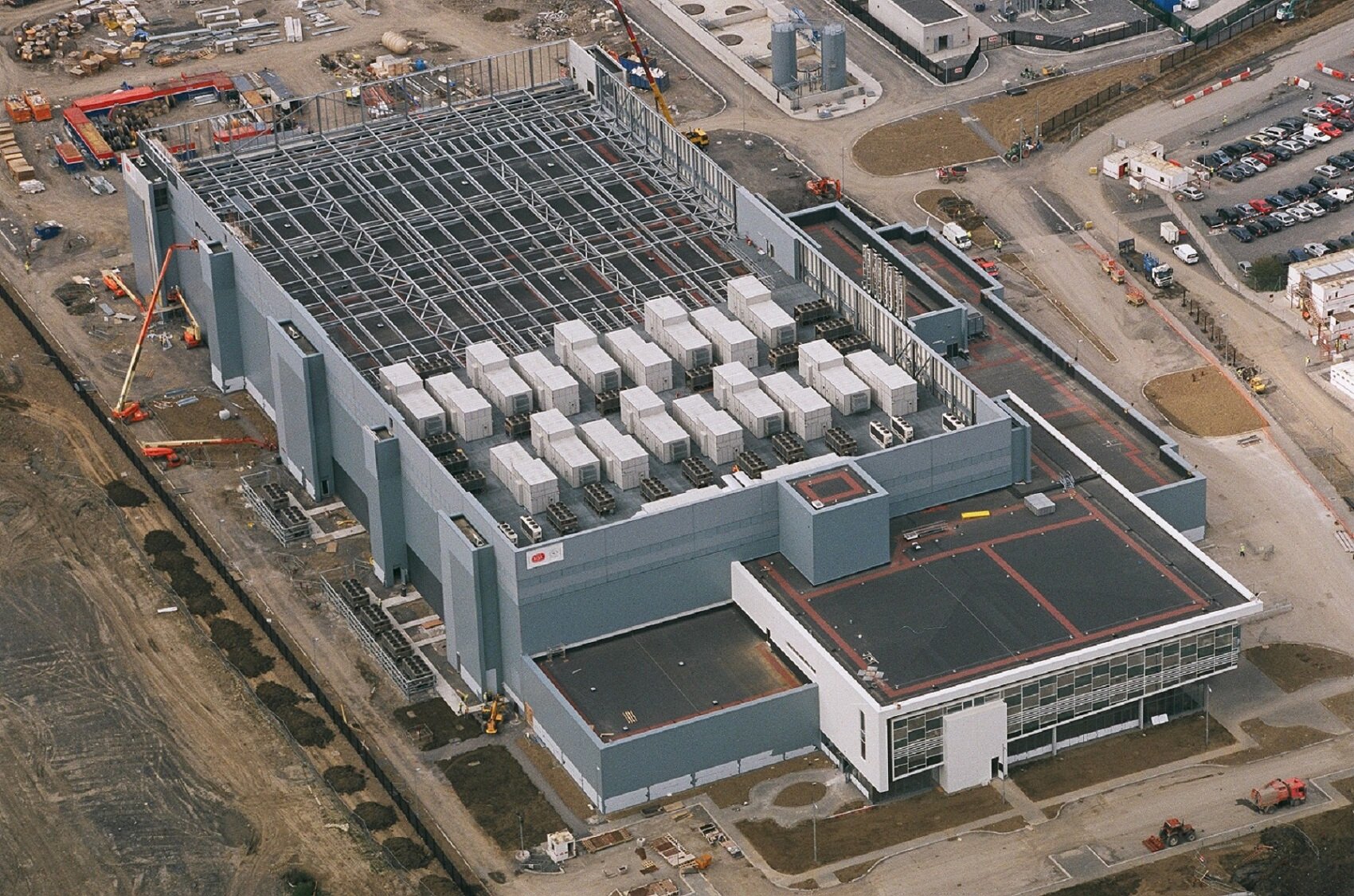
Recently, the Indonesian data center market has been experiencing a surge of enthusiasm. Overseas technology giants such as Microsoft and Google continue to increase their efforts, and Batam Island has been designated as a key development area for the computing industry. However, the complexity of land approval, difficulty in ensuring power supply, difficulty in dissipating heat due to high temperature and humidity, and severe shortage of local operation and maintenance personnel have resulted in many project cabinets being built but unable to operate at full capacity. Against this industry backdrop, China Railway Fourth Institute, renowned for its high-speed rail design and construction, has officially entered the Indonesian data center general contracting track, using an integrated construction and management model to solve the implementation difficulties.
Cross border computing power of high-speed rail genes
China Railway Fourth Survey and Design Institute is a core unit for high-speed rail survey and design in China, participating in the construction of over 16000 kilometers of high-speed rail. It is also an important participant in the construction of the Jakarta Bandung high-speed rail and has been deeply involved in the Indonesian market for many years. It is familiar with local policies, approval processes, and power grid rules. Why can high-speed rail companies build data centers? The two may seem to have different tracks, but the underlying engineering logic is highly interconnected. High speed rail belongs to ultra-high reliability large-scale infrastructure, with strict standards for geological exploration, power supply redundancy, ventilation and heat dissipation, disaster protection, and multi system integration. Large data centers are essentially precision mega infrastructure, requiring uninterrupted power supply, continuous and stable heat dissipation, and safe and reliable geological conditions. The survey, design, and large-scale project general contracting management capabilities accumulated from high-speed rail projects can be fully transferred and reused in the construction of computing infrastructure.
Turnkey construction and operation and maintenance
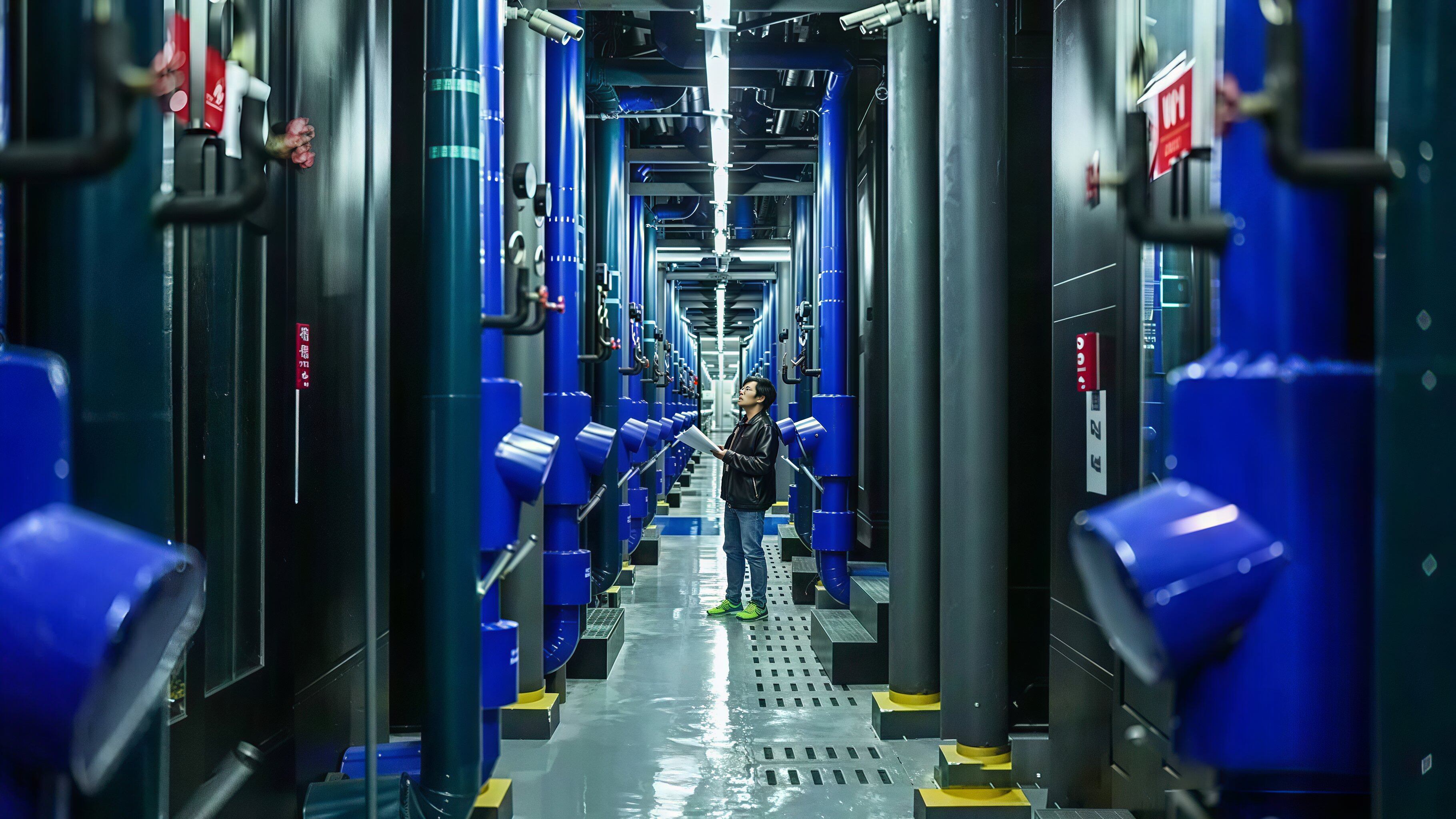
Based on this engineering capability, China Railway Fourth Institute has launched an integrated solution for turnkey construction and continuous operation and maintenance in the Indonesian market. During the construction phase, the traditional multi-party subcontracting model is broken, and all aspects of land survey and evaluation, site selection and judgment, scheme design, civil engineering and mechanical and electrical construction, system debugging, and final acceptance are taken care of. Investors do not need to coordinate with more than ten suppliers at the same time, and the entire process is managed by a single entity, reducing cross unit communication conflicts and avoiding high-frequency pain points such as unclear responsibility allocation and project delays in overseas projects. Unlike ordinary engineering companies that leave after completion, China Railway Fourth Survey and Design Institute extends its services to after project completion, relying on its self-developed digital control platform to undertake equipment monitoring, fault handling, computing power scheduling and other operation and maintenance work in the computer room, helping overseas investors to ensure long-term stable operation of the computer room without building a local technical team from scratch. Keywords: Southeast Asian news and information, data center, infrastructure, computing power

Integrated computing power photovoltaic support
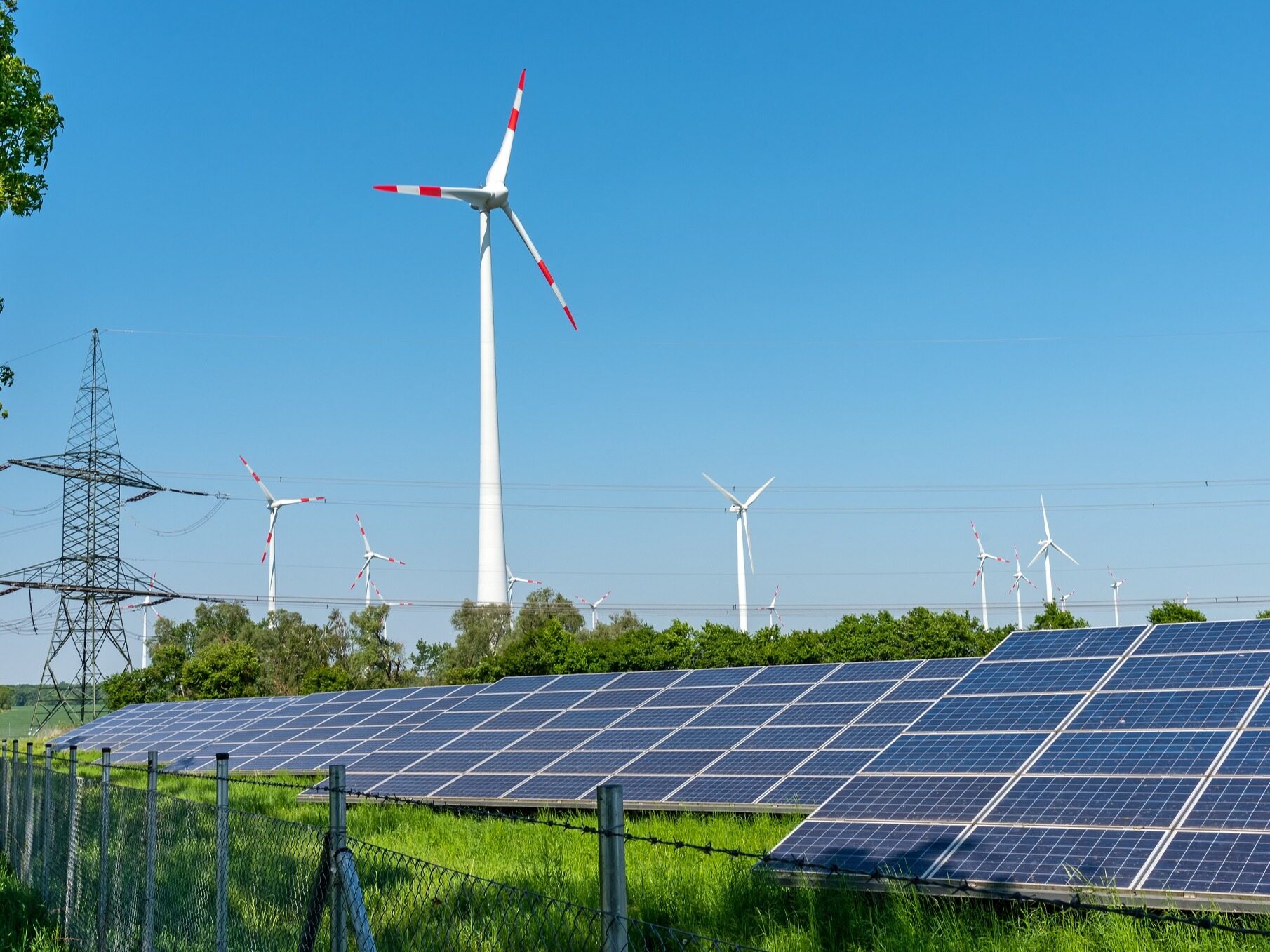
Green power compliance is a mandatory threshold for computing power projects in Indonesia. The Indonesian government has set clear low-carbon targets for data centers, and overseas major companies have also made green power supply an important assessment condition. The mature integrated solution of computing power and photovoltaics provided by China Railway Fourth Institute combines the construction of computer rooms with new energy generation to help the project meet local green power compliance requirements and optimize electricity costs in the long term. This model is not just talk on paper. China Railway Fourth Academy has already implemented four intelligent computing center projects in China, accumulated complete practical experience, and accumulated years of localization projects in Indonesia. Familiar with various practical situations such as land, power grid, and approval, it has become a general contractor with the ability to provide a backup in the eyes of many business owners. Of course, the broad prospects do not mean there are no risks. There is still room for improvement in the stability of the Indonesian power grid. The tropical environment increases the cost of heat dissipation, the green power grid connection cycle is long, and there is uncertainty in policy and labor conditions. But looking beyond the expansion of a single enterprise's business, China's infrastructure going global is moving from a single link of construction to a full life cycle systematic service output. Understanding local market rules and connecting the complete chain of green power operation and maintenance for site selection and construction are the core competitiveness of computing infrastructure.Editor/Gao Xue
Comment





 Praise
 Collect
 Comment

 Share


Write something~