 Search


- Thailand lays out long-term carbon reduction route, significantly increasing the proportion of clean energy generation
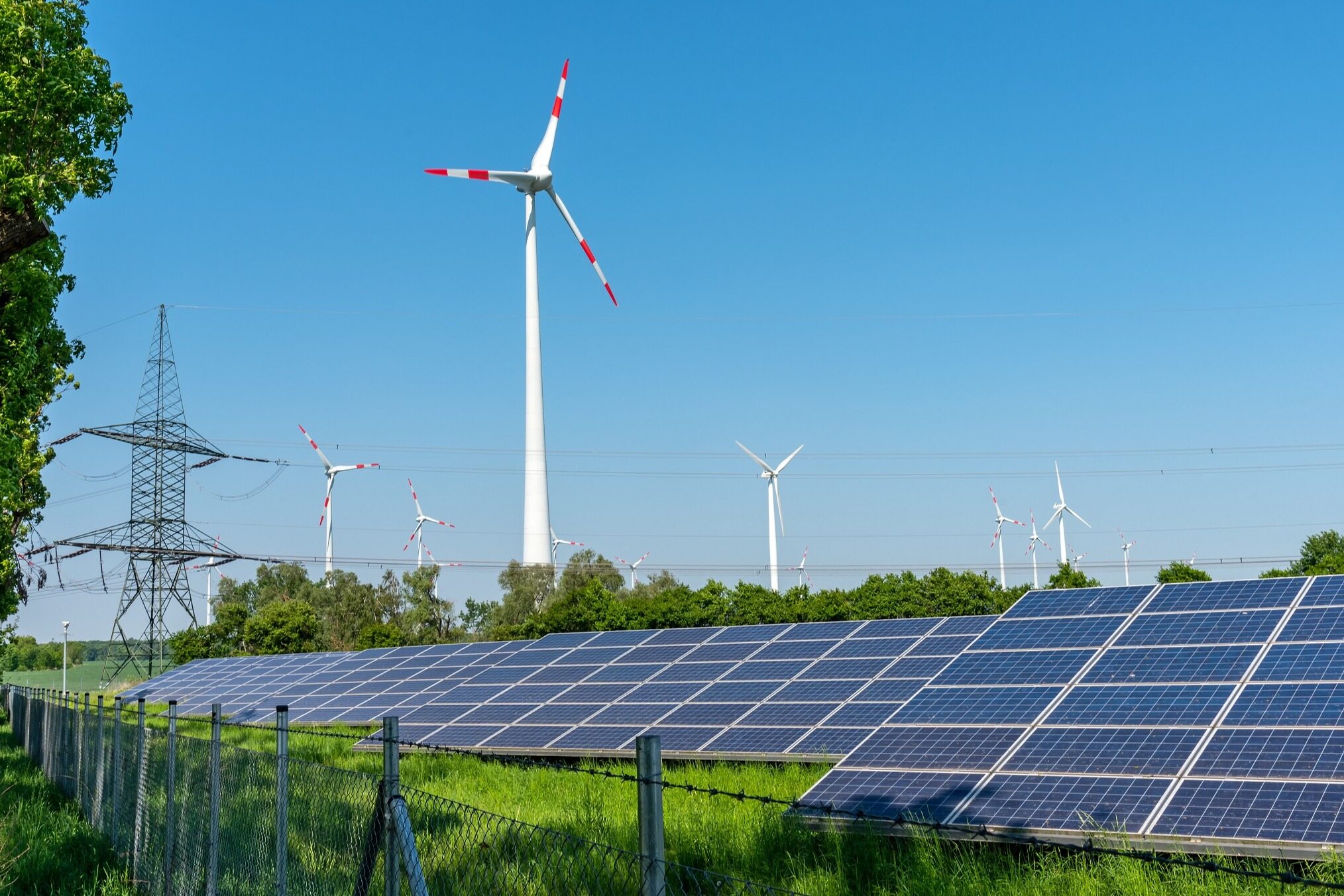
Under the night sky, machines roar in the industrial areas of Bangkok, and multinational corporations have written the possibility of using green electricity as an investment threshold. When the global supply chain starts to rearrange according to carbon emissions, Thailand no longer sees energy transition as just an environmental commitment, but as an industrial weapon to retain manufacturing and attract foreign investment - the leap from 15% to 89% is related to the country's track.
Setting clean energy targets
Thailand has released a long-term energy transformation plan, aiming to increase the proportion of clean energy generation from the current 15% to 89% by 2050, and promote the power industry to achieve net zero emissions through the use of small modular reactors and carbon capture technology. This plan is not only an action to participate in global climate governance, but also an important means to enhance regional industrial competitiveness and attract foreign investment and trade.
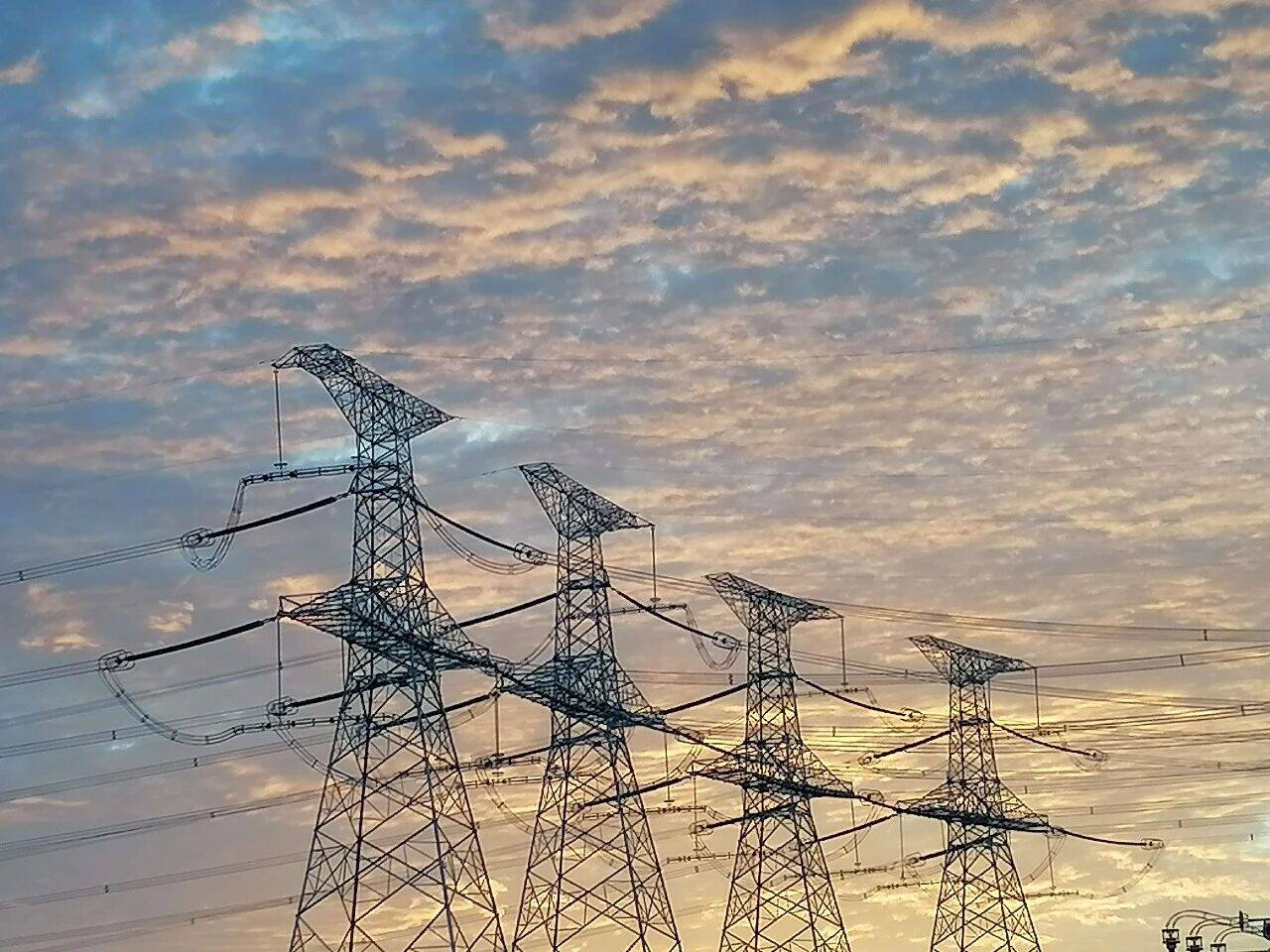
Electricity supports the operation of Thailand's economy, and the manufacturing and foreign trade industry chain cannot do without stable electricity security. The Thai Ministry of Energy has proposed that under the background of low-carbon supply chain, green power supply is an important factor for multinational enterprises to invest in site selection. Accelerating energy transformation can help attract foreign investment and promote the upgrading of foreign trade industry.
Multi technology collaborative transformation
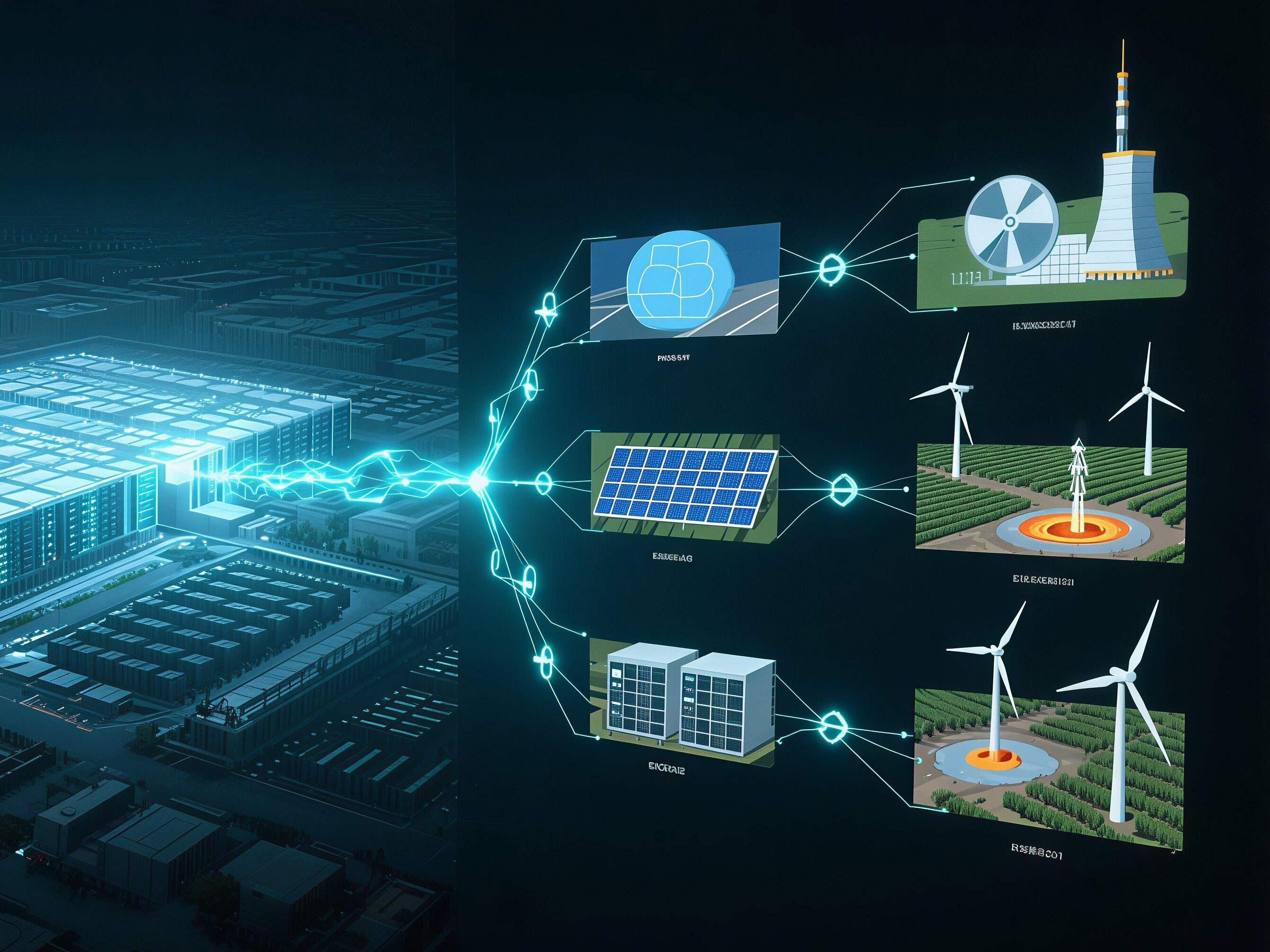
Thailand adopts a parallel transformation path with multiple technologies. Wind and solar new energy resources are abundant, but power generation is intermittent. Small modular reactors can provide stable base load power and compensate for the shortcomings of new energy fluctuations. Carbon capture technology is used to transform existing fossil fuel power plants, reduce carbon emissions, and ensure continuous and stable power supply during the transition phase.
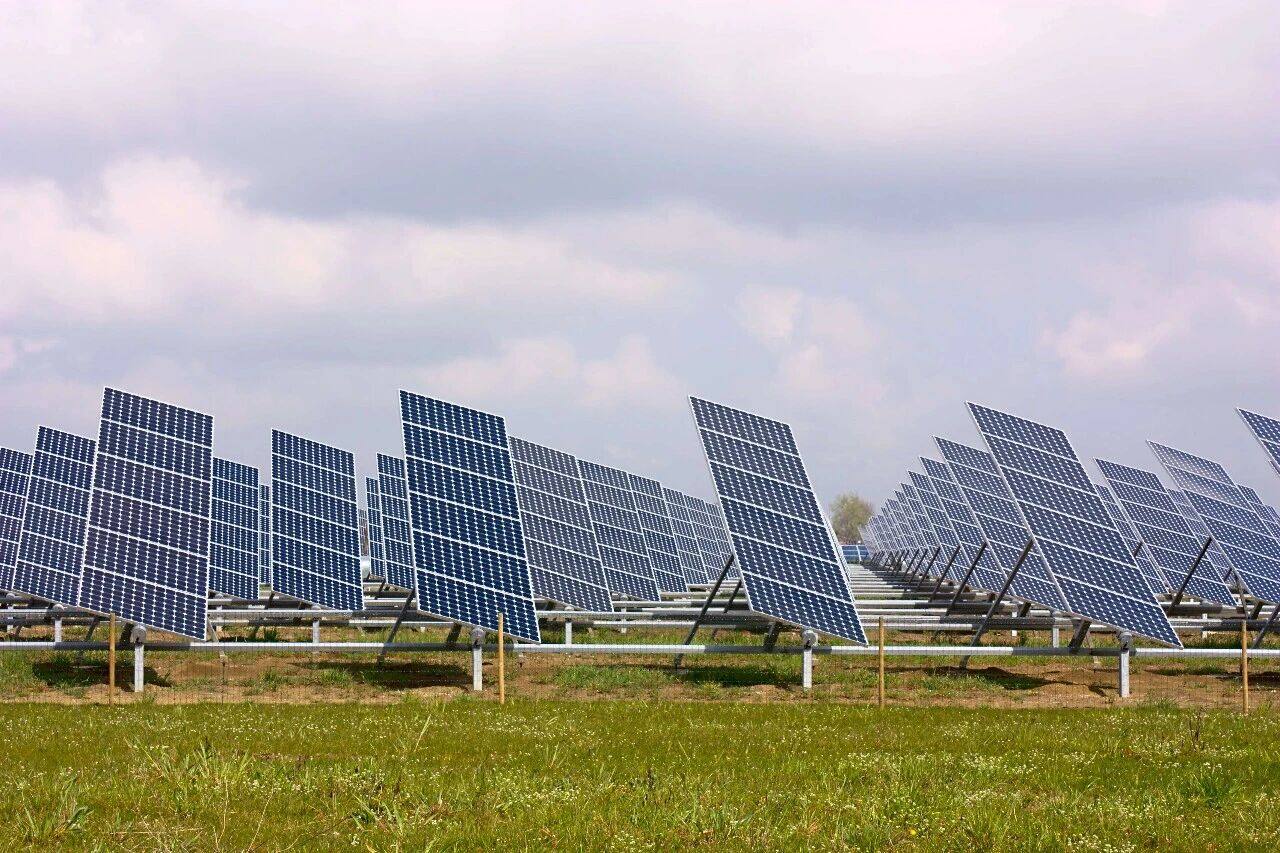
Transformation holds industrial opportunities
The challenge of increasing the proportion of clean energy from 15% to 89% is enormous, requiring the promotion of project construction, power grid renovation, fundraising, and regulatory improvement. The intensification of competition in the manufacturing industry in Southeast Asia will affect Thailand's position in the regional supply chain through the deployment of green energy. Keywords: Thailand, energy transition, clean energy
Thailand's energy transition combines environmental protection and economic strategic attributes. Relying on the advantages of green electricity, it is expected to attract low-carbon industries such as new energy, electronics, and automotive parts to land, and seize opportunities for global green trade development.Editor/Gong Ziwei
Comment


 Praise
 Collect
 Comment

 Share


Write something~