 Search


- Vietnam sets double-digit growth targets and seeks to enhance its position in the industrial chain
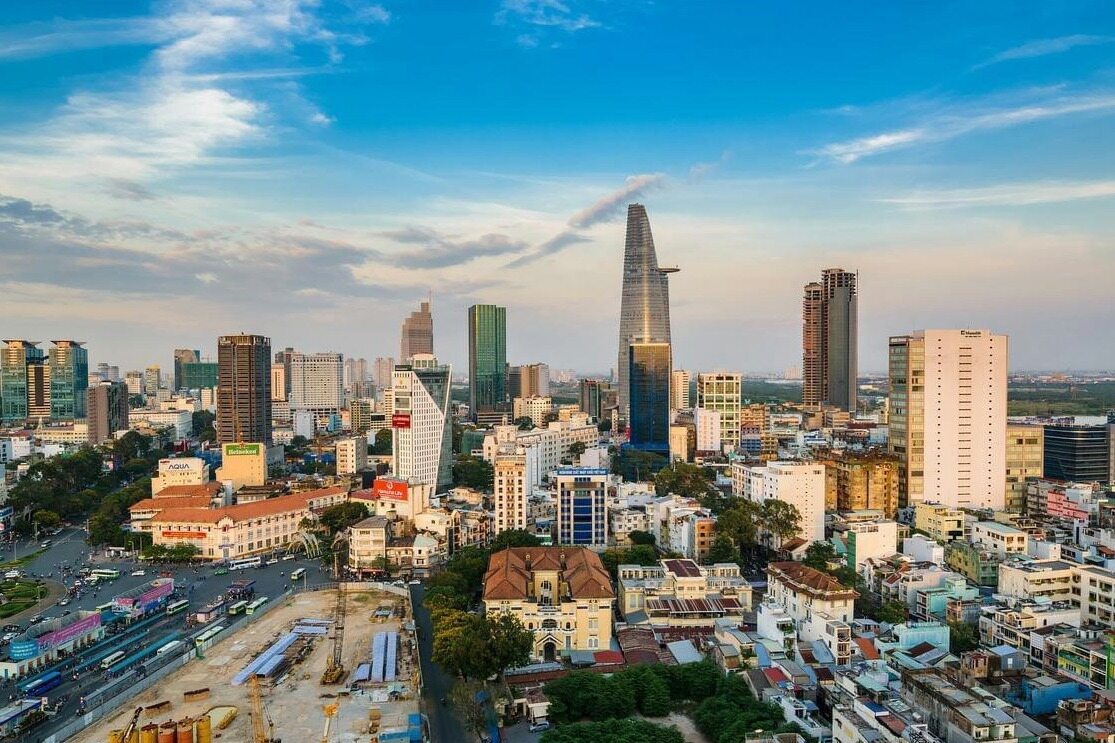
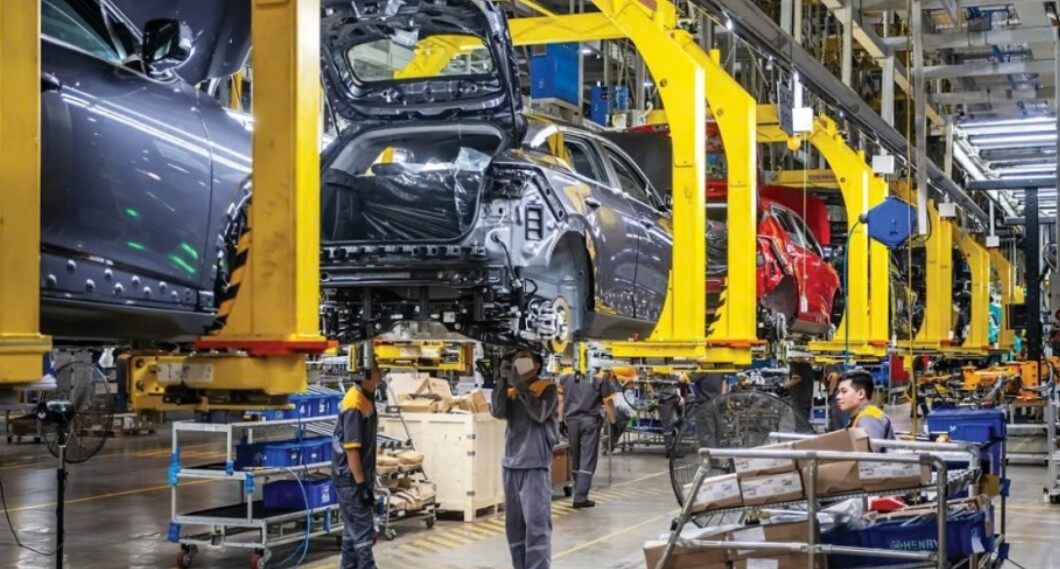
The assembly line keeps running, port cranes take off and land day and night, and Vietnam is deeply embedding itself into the global manufacturing network. Behind the high growth target is the resonance of industrial chain transfer, foreign investment influx, and structural pressure, amplifying both opportunities and risks.

Propose high growth targets
On October 17, 2026, Vietnam proposed its economic goals for 2027 at a parliamentary meeting: GDP growth rate of over 10%, per capita GDP of 6100 US dollars, CPI increase of about 4.5%, striving to consolidate its position in the global industrial chain. Vietnam's GDP is expected to grow by 9.01% in the first three quarters of 2026, and its annual imports and exports are expected to surpass 1.11 trillion US dollars for the first time. Foreign direct investment is expected to reach 50.36 billion US dollars, a significant increase of 76.4%, with foreign investment concentrated in the semiconductor and high-end manufacturing industries.

The economy is facing multiple pressures
The four core economic zones contribute nearly 47% of the country's total economic output, but are expected to struggle to achieve this year's growth targets, hindering the achievement of high growth targets. The number of newly established enterprises in Vietnam has declined in the first 9 months, while the number of cancelled enterprises has significantly increased; The import growth rate is higher than the export, resulting in a trade deficit of 19.42 billion US dollars. The CPI has slightly exceeded the standard, and the expansion of credit has brought about medium and long-term financing and potential financial risks. The task of stabilizing growth and preventing risks is arduous.
Assessing investment opportunities
Vietnam will expand infrastructure investment, optimize approval processes, guide funds towards manufacturing and innovation industries, expand overseas markets through free trade agreements, and diversify export risks. Keywords: Vietnam, manufacturing industry, regional economy
For Chinese companies investing in Vietnam, there are opportunities in the local manufacturing and infrastructure sectors, but they should pay attention to risks such as financing, manpower, and exchange rates, and conduct investment evaluations rationally.Editor/Gong Ziwei
Comment




 Praise
 Collect
 Comment

 Share


Write something~