 Search


- Red Sea Logistics and 60Hz grid connection become key thresholds for Saudi Arabia's photovoltaic performance
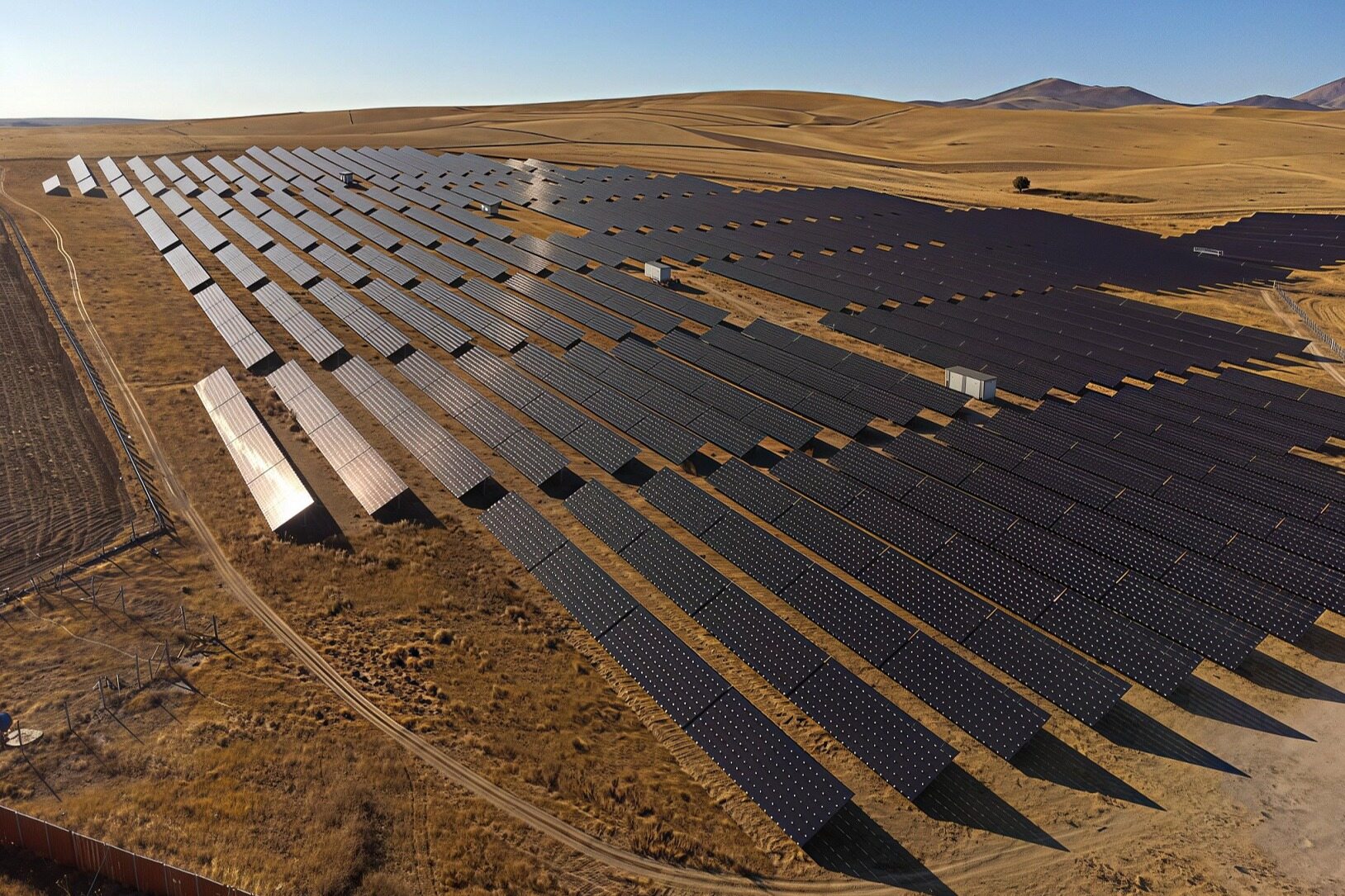
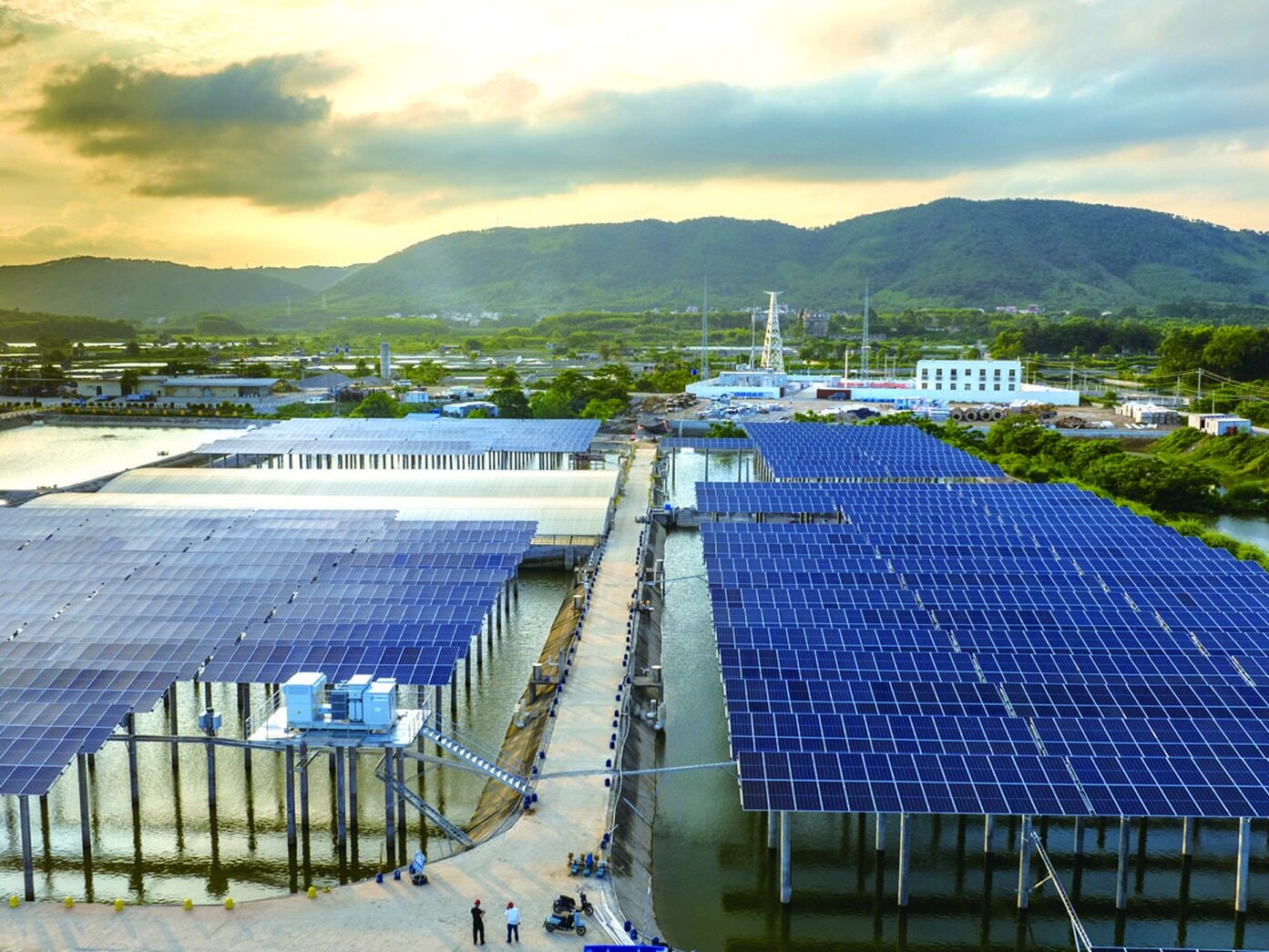
Recently, in the desert area along the Red Sea coast of Saudi Arabia, the R5-AHK2 photovoltaic project site constructed by China Power Construction Guizhou Engineering Company has achieved mechanical completion with the final batch of equipment installed. Behind the installed capacity of 400MWac is a dual test of crossing the Red Sea logistics barrier and the strict standards of Saudi Arabia's power grid. From the factory to the site, and then from the site to grid connection, every step is redefining the performance threshold for Chinese enterprises in the Saudi photovoltaic market.
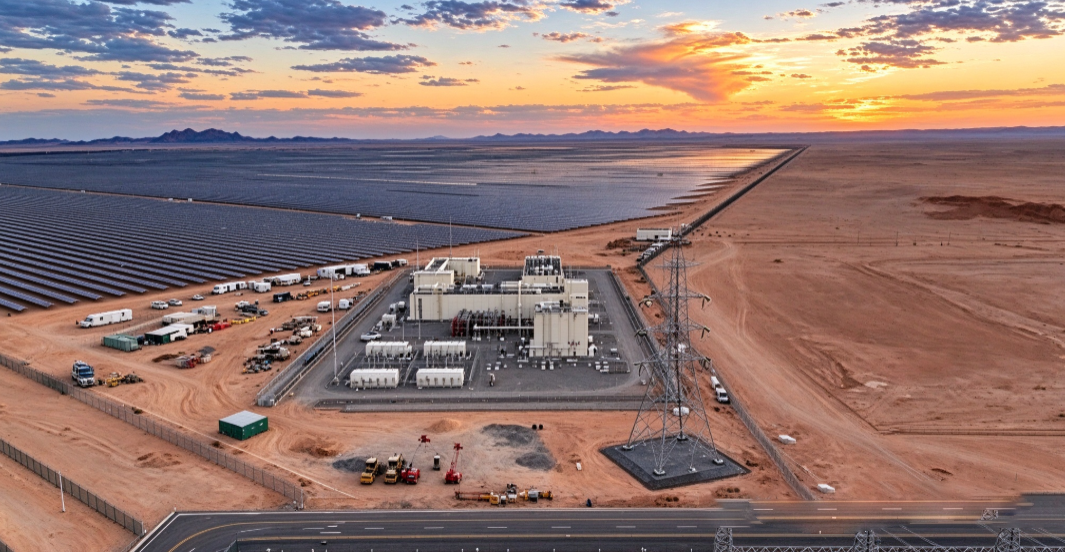
Red Sea route forced to be reconstructed
The key equipment of the project includes large cargo such as transformers and booster stations. The traditional route passing through the Suez Canal was blocked due to the Red Sea crisis and had to detour around the Cape of Good Hope or find alternative ports. The transportation cycle has been extended from weeks to months, forcing a comprehensive restructuring of logistics costs and supply chain planning. China Power Construction Guizhou Engineering Company implements grid management to assign construction areas, management responsibilities, and progress goals to individuals, and coordinates equipment supply, international logistics, and on-site construction. For enterprises engaged in large-scale transportation and special logistics, the warning of this case is clear: the logistics buffer period for large-scale photovoltaic projects in the Middle East can no longer be set according to the shipping schedule during peacetime.
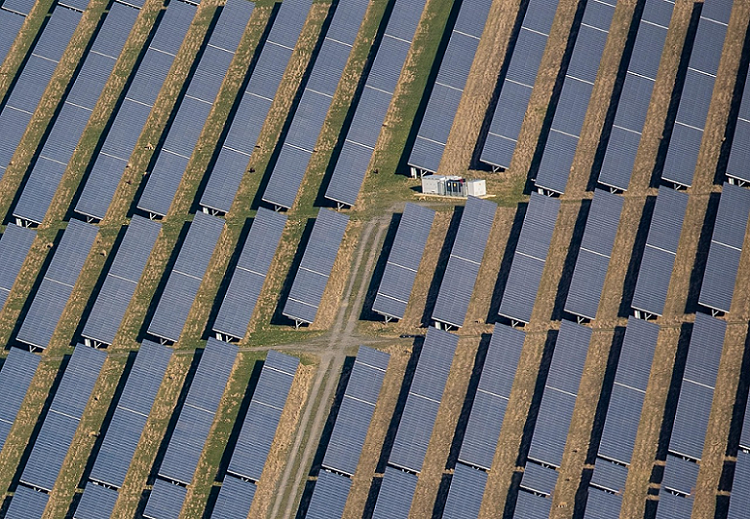
60 Hz grid connection threshold
Mechanical completion means that hardware installation and individual debugging are completed, but it does not mean that the power station can generate electricity. The nominal frequency of Saudi Arabia's power grid is 60Hz, which is consistent with the US power grid, rather than 50Hz in China and Europe. All grid connected equipment - inverters SVG、 Booster station protection devices - all require parameter adaptation and logic verification for a 60Hz environment. The Saudi power grid has strict constraints on the frequency operation range, and grid connected equipment such as inverters and SVGs need to match the grid boundary and pass a full set of low voltage ride through, high voltage ride through, and frequency ride through tests. Photovoltaic products entering the Saudi market must also pass SASO certification and meet the IEC 62109 series standards. Any parameter deviation exposed during the grid connection testing phase may result in equipment replacement or software upgrade. Keywords: Middle East News Network, Photovoltaic, Infrastructure
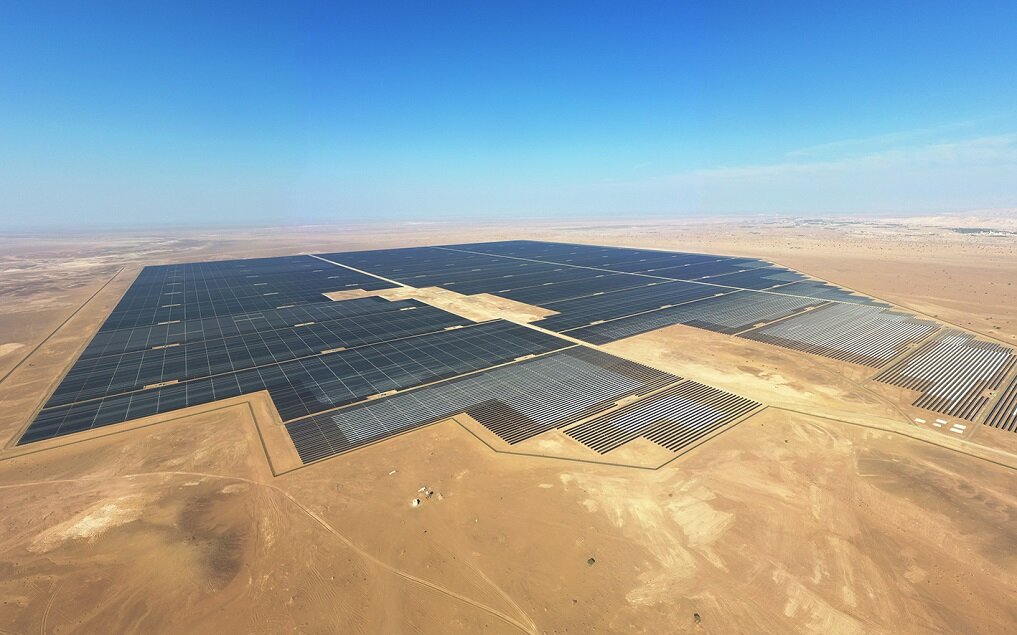
Local production capacity guarantees delivery
The second phase of Zhongxinbo's factory in Jeddah, Saudi Arabia has been completed, and the local photovoltaic brackets have an annual delivery capacity of 15GW, which can effectively alleviate the impact of logistics congestion in the Red Sea on bracket delivery. Evaluating the necessity of establishing assembly, processing, or warehousing nodes in or around Saudi Arabia for supporting enterprises planning to enter the Saudi photovoltaic supply chain is shifting from a long-term strategy to a current competitive advantage. In an environment where logistics cycles are uncontrollable, the production capacity closer to the project site is the most direct delivery moat. The mechanical completion of the Saudi R5-AHK2 project, which involves transporting large equipment from the Red Sea to the 60Hz grid for grid crossing testing, reveals a core reality: transporting equipment to the site is only the first half, and ensuring stable operation on the Saudi grid is the second half. Logistics resilience and localized certification are replacing simple price advantages as new barriers to entry into Saudi Arabia's long-term photovoltaic supply chain.Editor/Gao Xue
Comment


 Praise
 Collect
 Comment

 Share


Write something~