 Search


- The total investment of the project exceeds 4 billion US dollars, helping to industrialize wind power in South Vietnam Sea
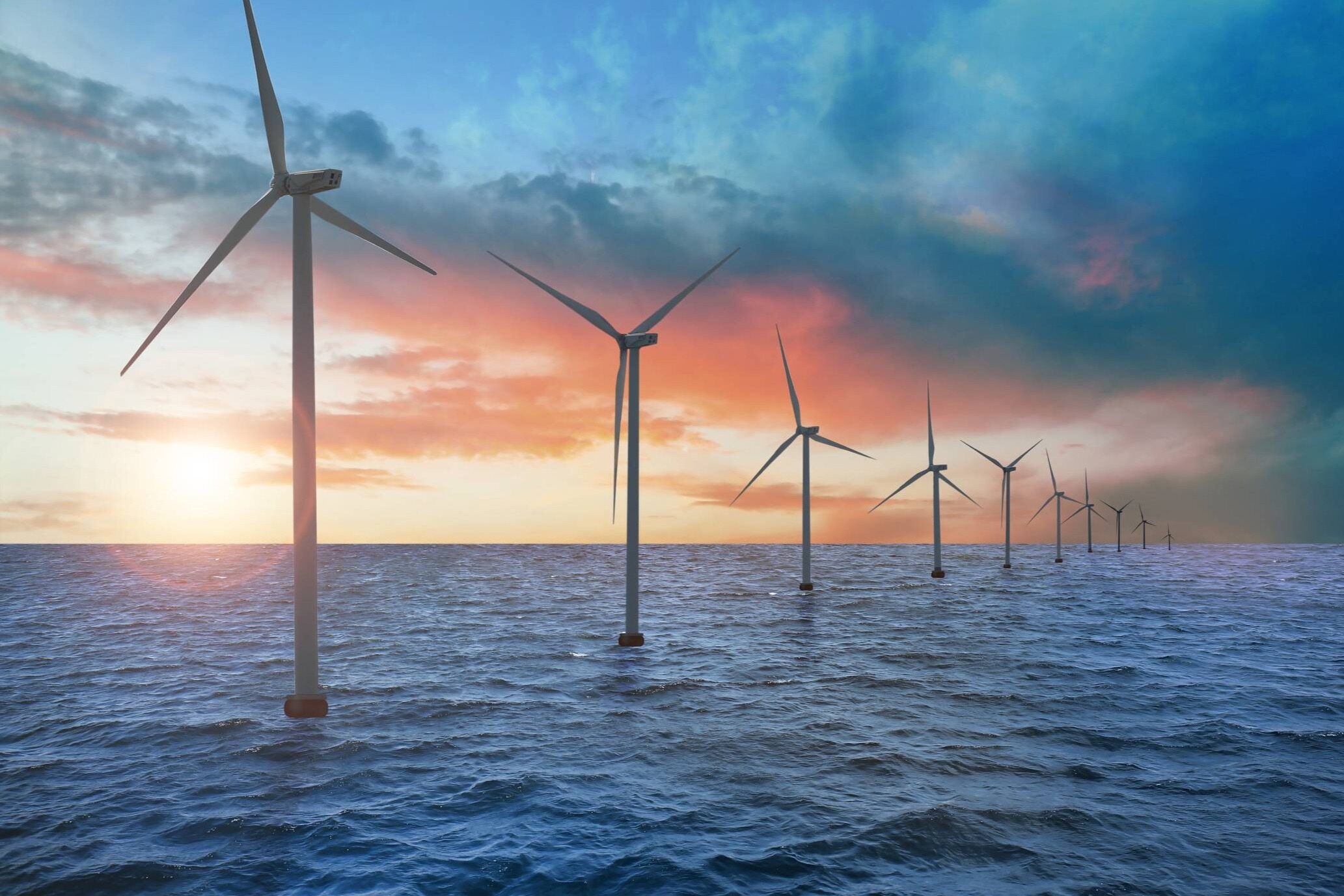
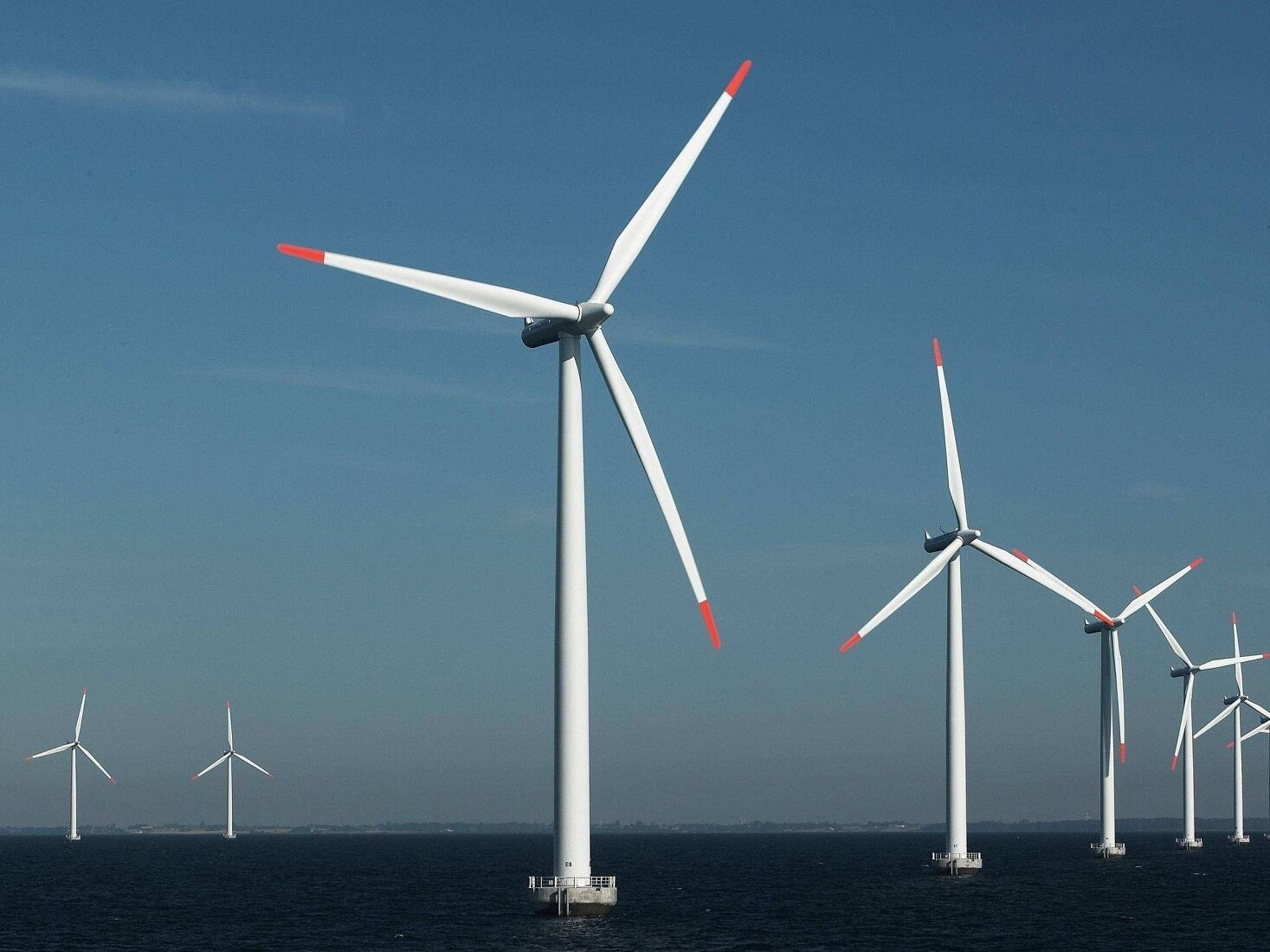
Recently, on the sidelines of a Vietnamese Danish business forum in Copenhagen, representatives from Vietnam's National Industry and Energy Group and Denmark's Copenhagen Infrastructure Partnership signed a contract, marking the beginning of the joint development phase for the Central South No.1 offshore wind power project from a memorandum of understanding. The project plans to install 1GW of capacity, with a total investment expected to exceed 4 billion US dollars, and is still in the early stages of promotion. For Vietnam, this is not only a large-scale wind power project, but also an attempt to bring traditional offshore engineering experience from the oil and gas field to the new energy track.
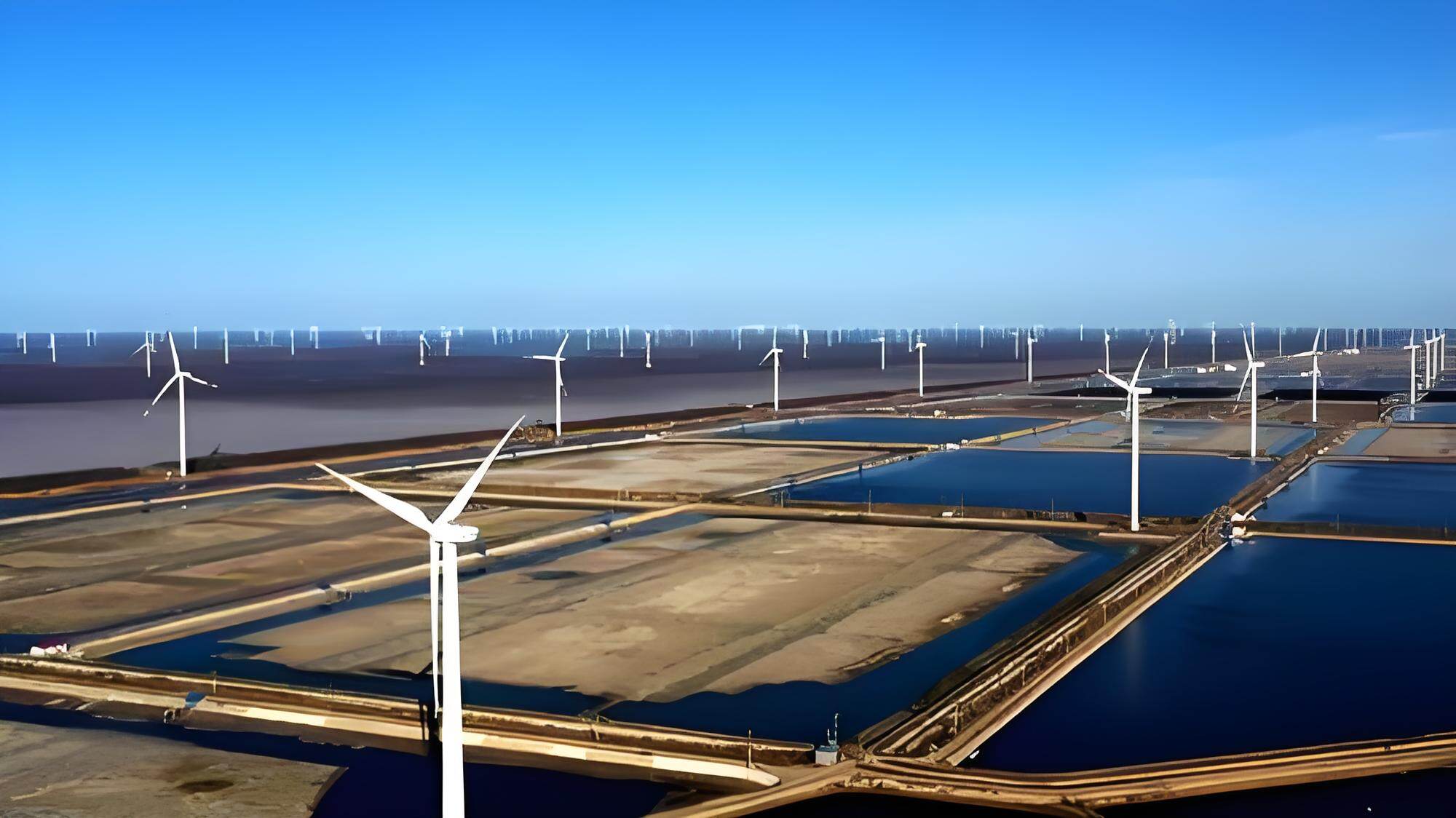
A $4 billion project has been completed
This signing was not a last-minute decision. Both parties signed a memorandum of understanding as early as March 2024, and since then the team has continued to engage in technical communication and project collaboration, paving the way for joint development. Now that the agreement has been implemented, the basic plan of the project is clear: a 1GW installed capacity, an investment volume of over 4 billion US dollars, and the division of labor and cooperation among Vietnamese and Danish enterprises in offshore wind power development. Vietnam National Industry and Energy Group entered with its local marine engineering and energy industry foundation, while Denmark's Copenhagen Infrastructure Partnership Company brought offshore wind power development experience. Both sides hope to transform the equipment and construction capabilities accumulated in the oil and gas era into a reusable foundation for the wind power industry. Keywords: New Energy News Network, Wind Power, Infrastructure
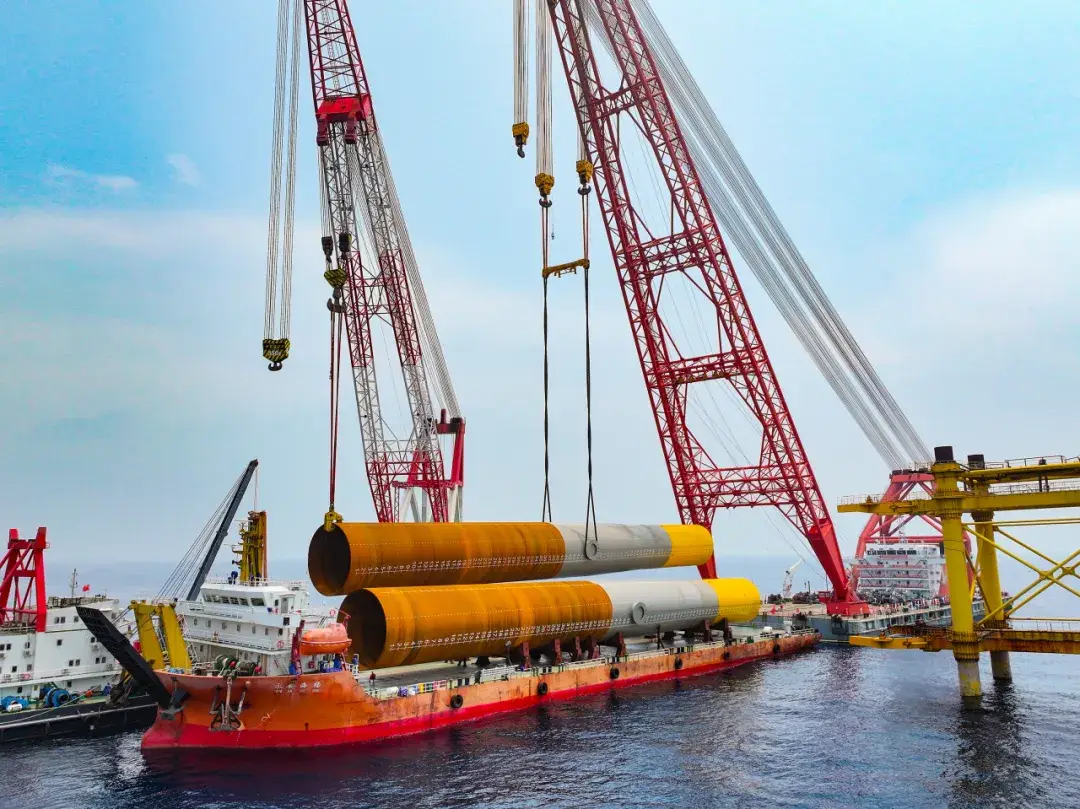
Multiple challenges in early development
The project has not yet entered the construction phase, and the task list in front of both parties is not easy. Whether the project can stand or not requires a feasibility study to provide an answer; How to combine huge amounts of funds requires a financing structure to support it; How to design policy incentives, arrange power purchase mechanisms, schedule development, and share risks among all parties must be determined item by item in the early stages. At the same time, investment preferential policies and local supply chain construction have also been included in the research scope, as these conditions directly affect whether the project can proceed smoothly in the future. From oil and gas engineering to offshore wind power, Vietnam needs to supplement not only equipment and construction capabilities, but also power purchase mechanisms, financing arrangements, and supply chain support. Whether the project can move from joint development to substantive construction depends on whether these preliminary issues can be solved one by one.Editor/Gao Xue
Comment

 Praise
 Collect
 Comment

 Share


Write something~