 Search


- Let China build its first real commercial route
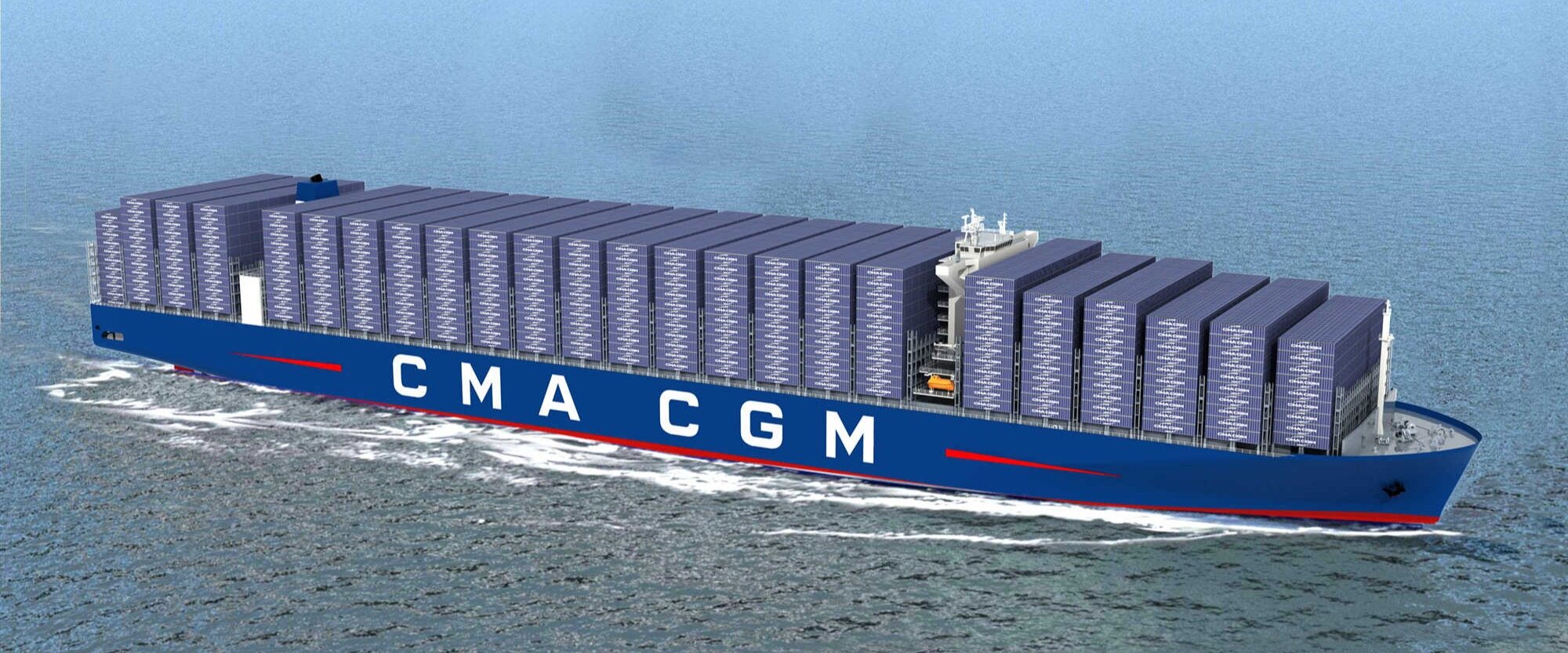
On the morning of March 19th, on the banks of the Baima River in Zoucheng, Shandong, a 79.9-meter-long pure electric container ship slowly slid down the slipway with a command. At that time, it was just a steel shell, and no one could be sure if it could handle the shallow waters, bends, and low bridges of Vietnam's inland rivers. More than half a year later, the answer was revealed: on July 28th, the cable was untied from Rugao Port in Jiangsu and arrived in Vietnam after 20 days of sea transportation; On October 28, 2026, it officially made its maiden voyage on the route from Pingyang Province to Gaimei Port, becoming China's first exported pure electric inland container ship.
A ship's journey
This ship has a total length of 79.9 meters, a width of 15 meters, a designed draft of 4.1 meters, a load capacity of 3500 tons, and can carry 182 standard containers. The average depth of shallow water in Vietnam's inland rivers is about 4.5 meters, and the bridge clearance must also be taken into account. The hull must be wide, flat, and have a shallow draft. The Wuhan University of Technology team did not have a mother ship to refer to, so they started from scratch with digital simulation and model towing tests, adjusted the hull shape time and time again, collected thousands of sets of data, and finally increased the buoyancy of the ship by 18% compared to the conventional hull shape, and reduced the navigation resistance by 15.8%. The power comes from four sets of 1959 kWh replaceable containerized batteries from CATL, with a pure electric range of about 240 kilometers and 150 nautical miles, a single charge of about 4 hours, zero fuel and low noise throughout the journey.
Who pays for green initiatives
Dafei is the shipowner and scheme designer, responsible for holding and operating the route; Nike, as the shipper, locks in the demand for green transportation capacity with a long-term commitment to use it; New Energy Shipbuilding and CATL respectively undertake the construction and battery system. The shipper's purchase commitment reduces the operational uncertainty of the shipowner, and the shipowner locks in green transportation supply with ship assets, while shipyards and battery manufacturers receive clear order signals. In the cycle of whether there is a ship first or a cargo first, the division of labor for inland electric vehicles divides the start-up costs among various links in the chain. Dafei has clearly stated that it will use it as a replicable model to promote to other markets.
After Vietnam, there are blue oceans
The landing in Vietnam was not accidental. The action plan approved by Vietnam in 2022 has proposed to promote the transformation of green energy in the transportation sector, and incentives such as port fee reductions are being considered for ships using clean energy. The round-trip distance between Pingyang and Gaimei is about 180 kilometers, with a fixed voyage and clear nodes at both ends. Gemalink Port is equipped with dedicated charging facilities and solar power generation systems, and the charging power comes from certified renewable electricity. The closed-loop of renewable electricity, electric ships, and green freight runs on a specific route. It is expected that the annual transportation volume will exceed 50000 TEUs, reducing approximately 778 tons of carbon dioxide emissions annually.
For Jining, the greater harvest lies outside the ship. Based on this project, local equipment suppliers such as shaft steering systems and anchor machines have entered the global supply chain system for the first time; New Energy Shipbuilding has compressed the delivery cycle from one year to three months through standardized shipbuilding, and has signed over 400 domestic and international orders. Its products have been exported to countries such as Vietnam, Tanzania, and Zambia. At the same time, the three departments issued an action plan for promoting the application of new energy ships in inland rivers, proposing to exceed 1000 electric transport ships by 2028, including the zero carbon route from Jining to Xuzhou to Nanjing.
182 TEUs are not prominent on the global shipping map. Its true value lies in completing a complete model validation: from Chinese shipyard construction, to international shipowner operation, to global brand procurement of green transportation capacity, the entire chain runs smoothly on a real commercial route.Editor/Yang Meiling
Comment

 Praise
 Collect
 Comment

 Share


Write something~