 Search


- The Shage Wilderness Base promotes the synergy and efficiency improvement of West East power transmission and ecological governance
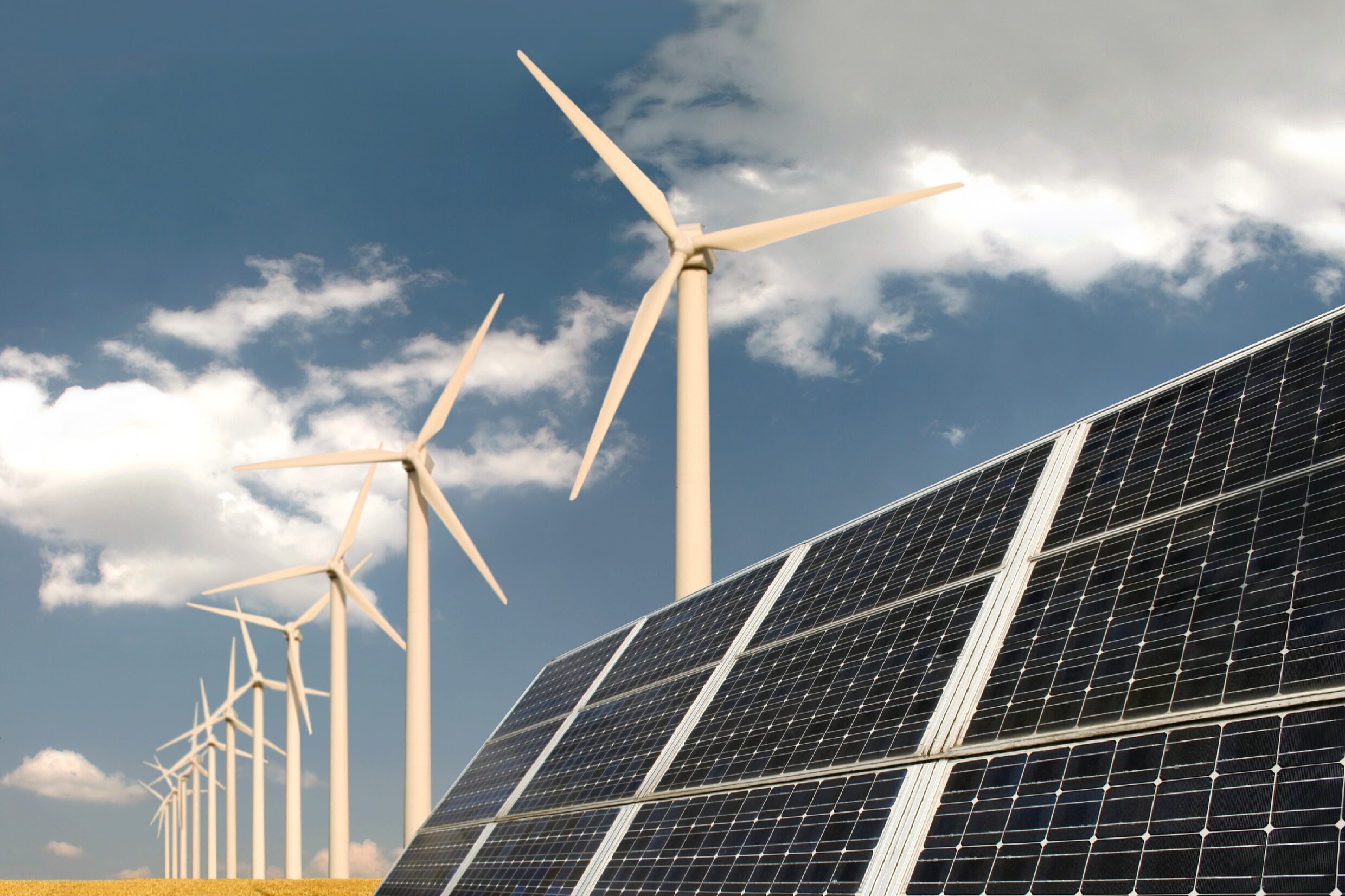
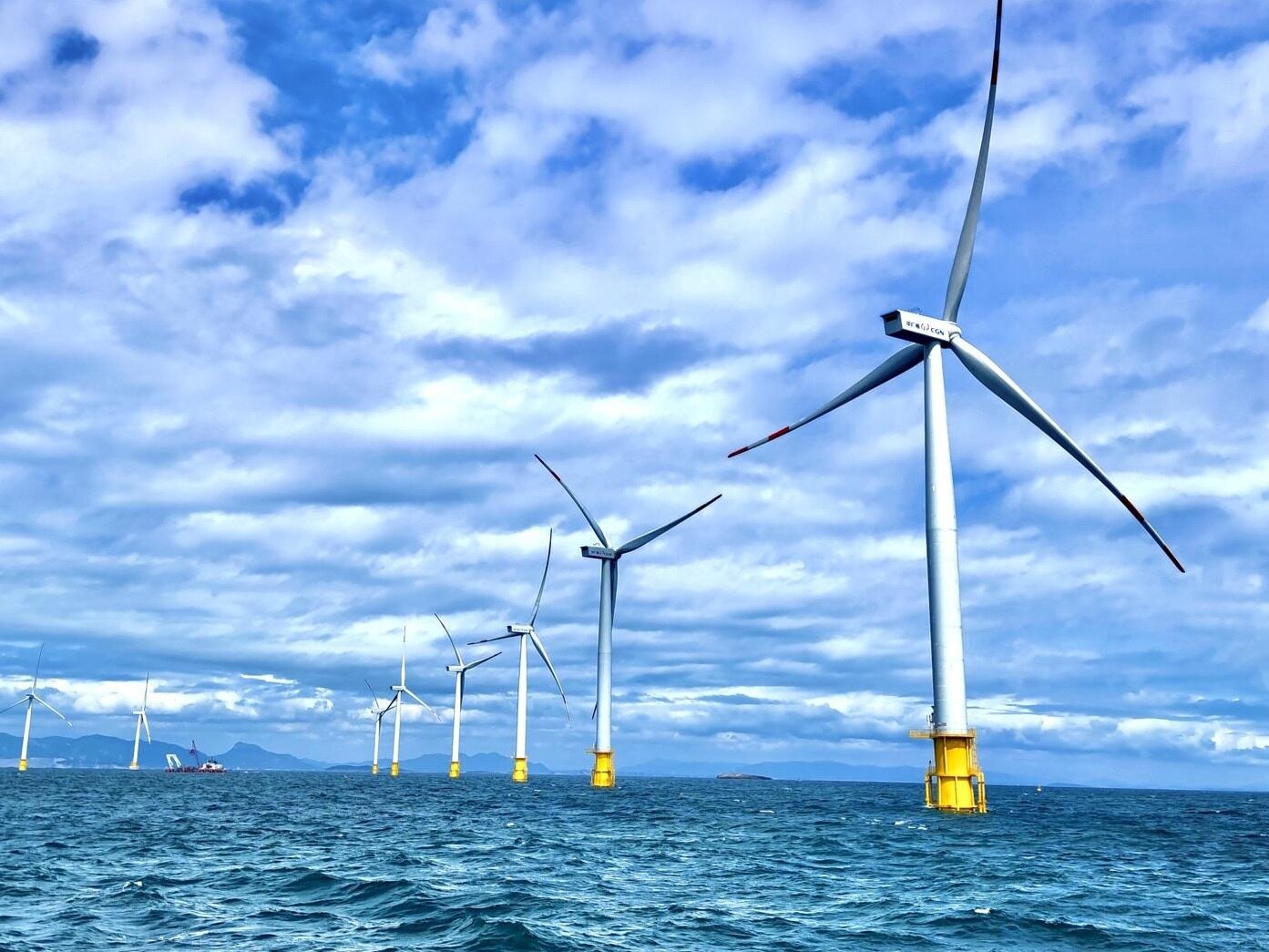
On October 30, 2026, at the regular press conference of the National Energy Administration, Gui Xiaoyang, Deputy Director of the Department of New and Renewable Energy, announced a set of data: as of the end of September 2026, the total scale of three batches of large-scale wind and photovoltaic bases focusing on deserts, Gobi, and desert areas has exceeded 157 million kilowatts. From the northwest Gobi Desert to the load centers in the central and eastern regions, ultra-high voltage channels convert the wind and solar resources on the desert into clean electricity for thousands of households.
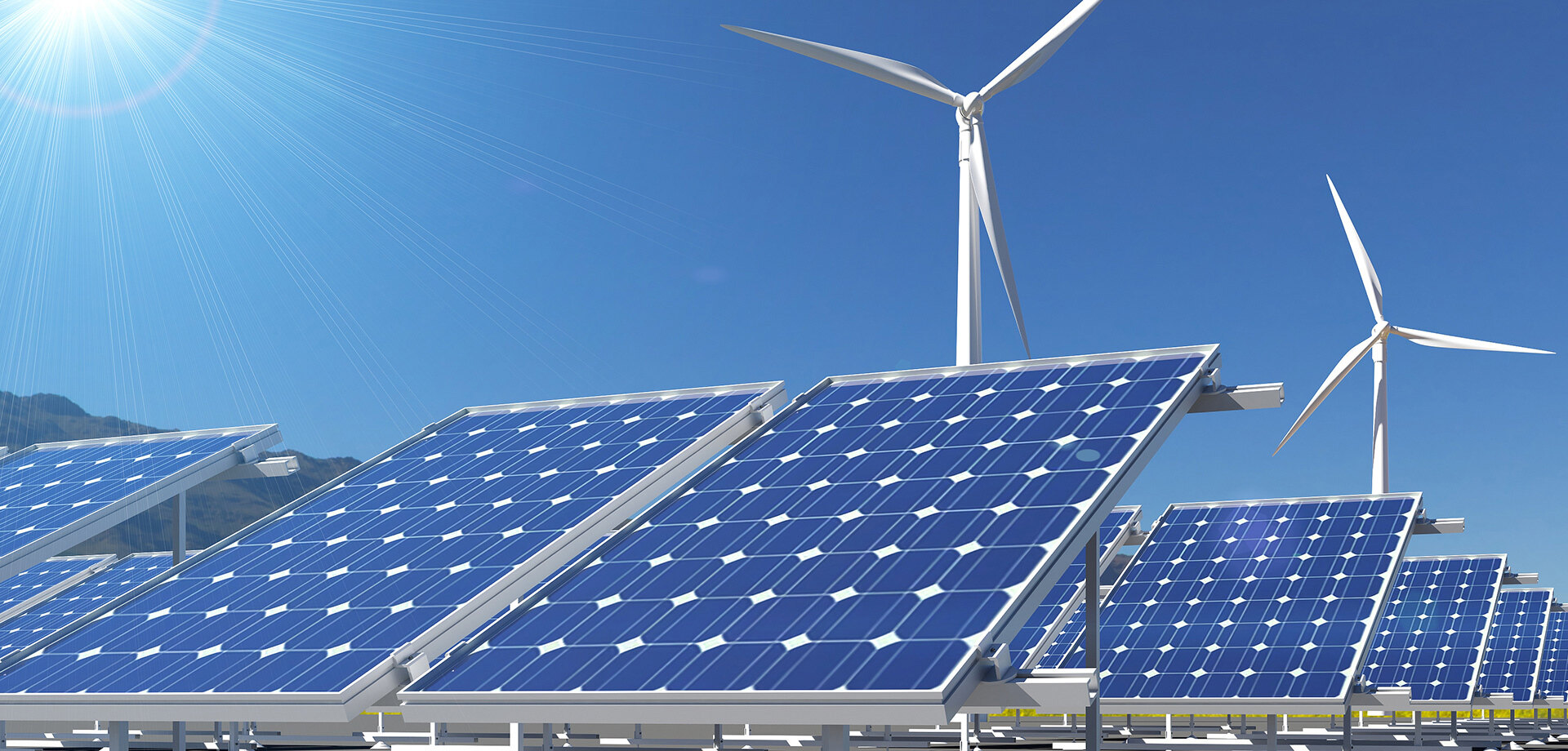
Three batches of bases have been built with a capacity of over 100 million kilowatts
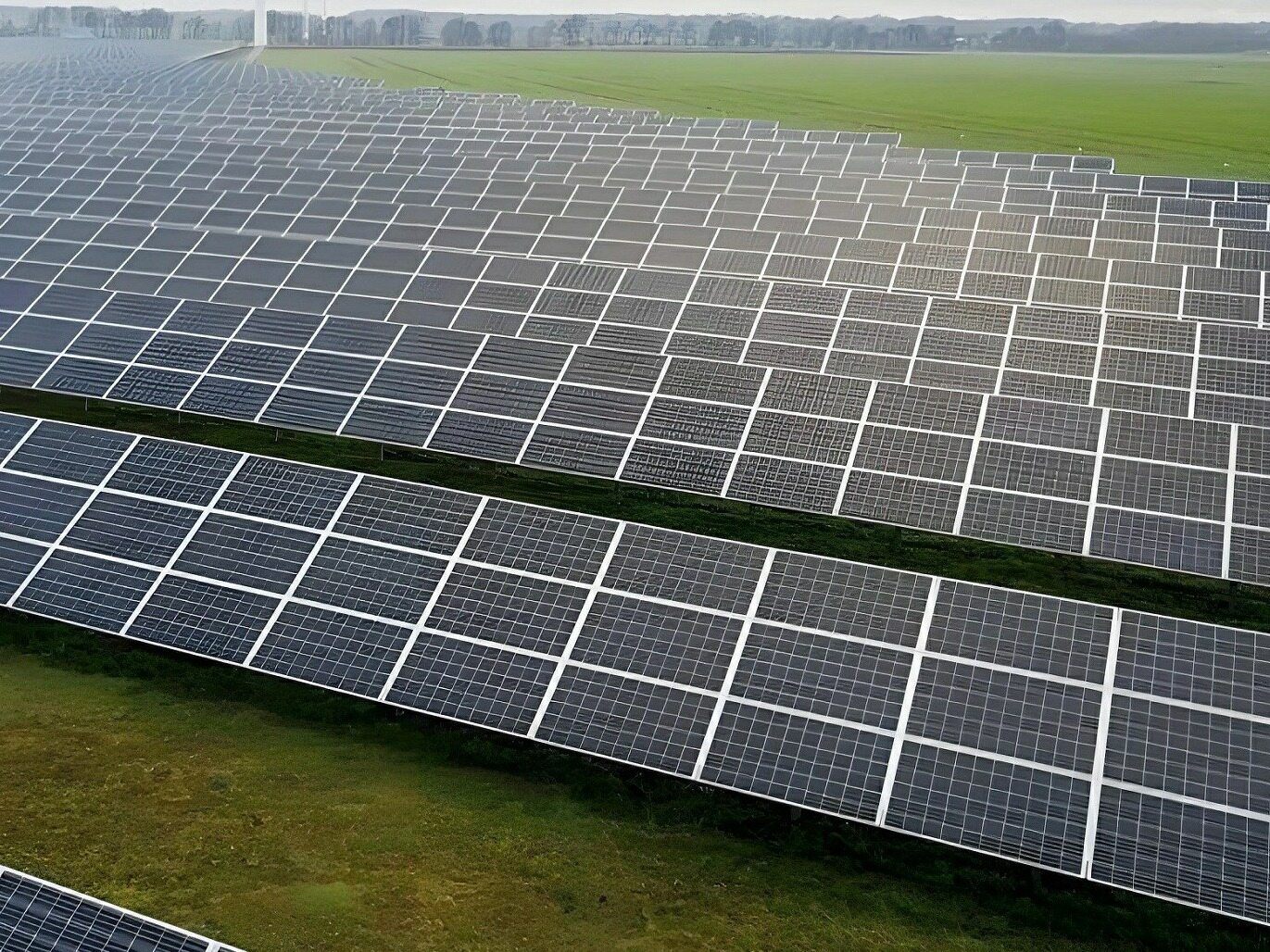
From 2021 to 2023, the National Energy Administration, in conjunction with the National Development and Reform Commission, has issued three lists of large-scale wind and photovoltaic base projects with a focus on desert, Gobi, and desert areas. These three batches of large bases mainly focus on local consumption, and the construction work has achieved positive results. As of the end of September 2026, the first batch of large base projects with a capacity of 94.53 million kilowatts have been basically completed and put into operation, the second batch of large base projects with a capacity of over 34 million kilowatts have been built, and the third batch of large base projects with a capacity of over 29 million kilowatts have been built, with a total construction scale of over 157 million kilowatts. The development model of scale, intensification, and focusing on new energy has improved overall development efficiency and reduced development costs.
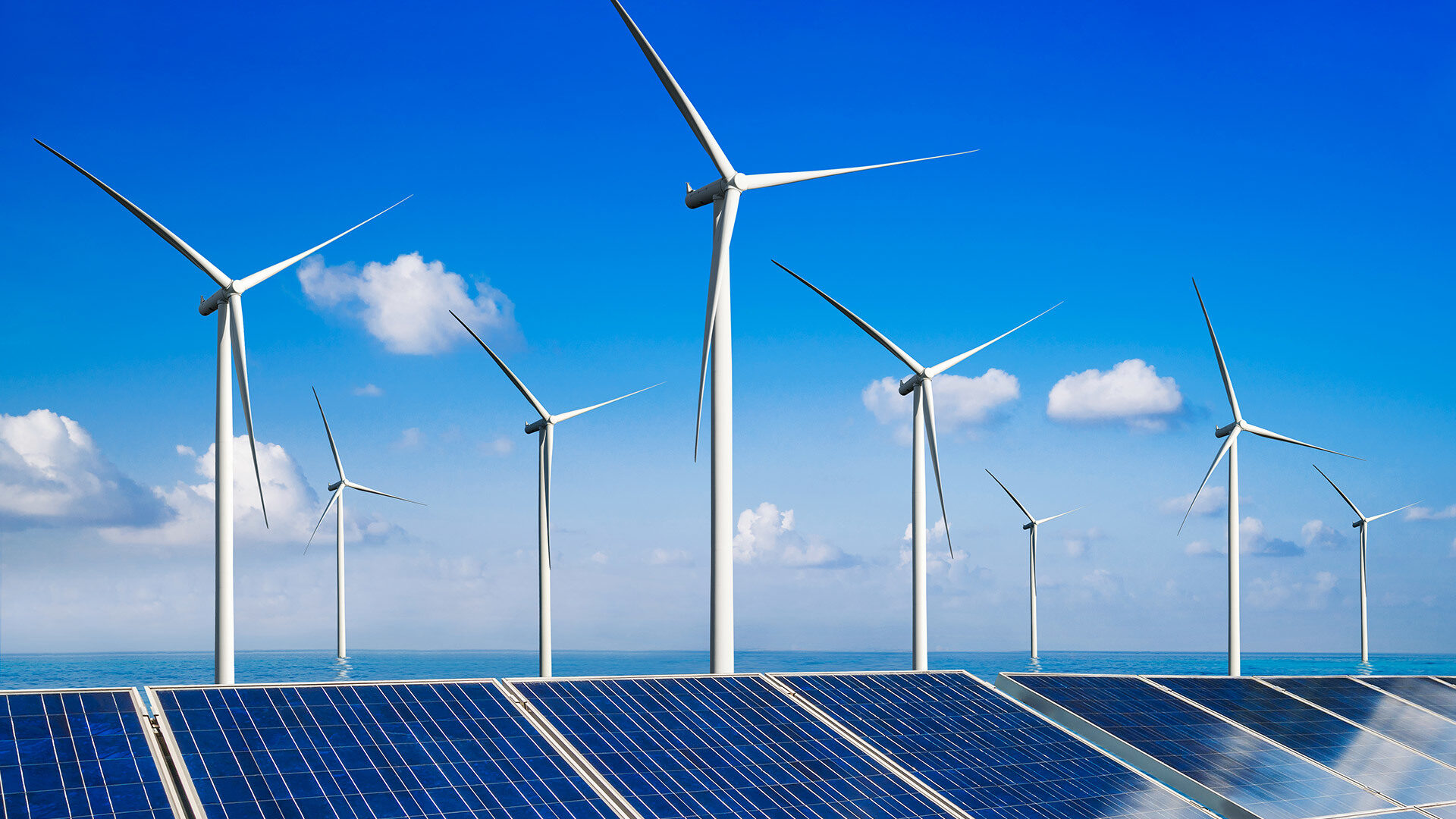
Promotion of 10 million kilowatt level base
In addition to the local consumption base, the National Development and Reform Commission and the National Energy Administration have formulated a planning and layout plan for large-scale wind and photovoltaic bases with a focus on deserts, Gobi, and desert areas, promoting the development and construction of multi million kilowatt level bases. This kind of large base is mainly used for transportation and consumption. At present, the implementation plans of 14 bases have been approved. Among them, the base at the northern foot of Tianshan Mountain in Xinjiang corresponds to the Xinjiang power into Chongqing, and the base in Tengger Desert in Ningxia corresponds to the Yingning power into Hunan, which have been put into operation successively. The northwest scenery is being transported to the central and eastern load centers through the ultra-high voltage channel, becoming an important form of implementing the West East power transmission. Keywords: New Energy News Network, Wind Power, Photovoltaic
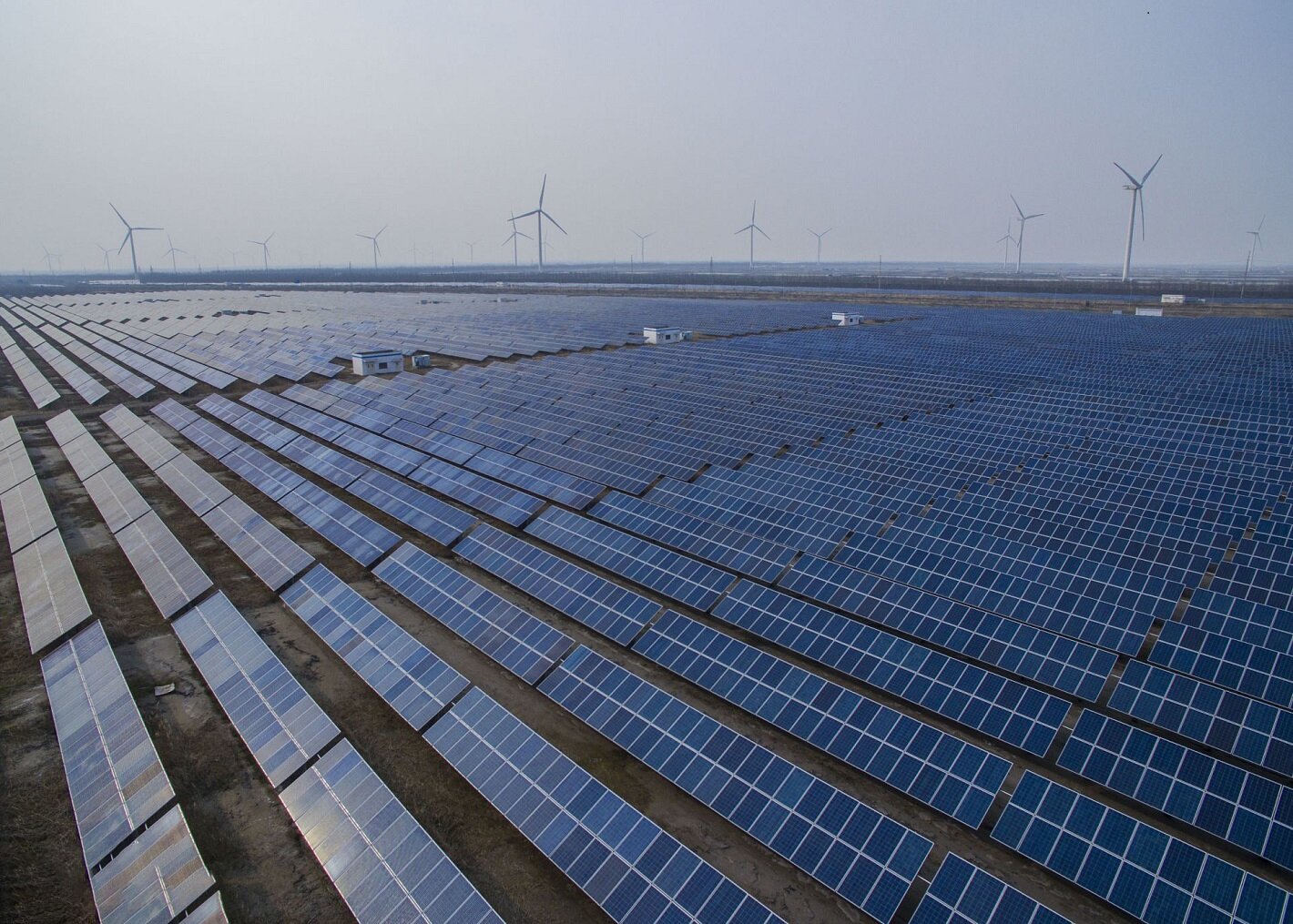
Win win situation of ecological governance and supply guarantee
As an important component of the new national power system, the economic and social benefits of the Shage Wilderness Base are gradually becoming apparent as the project is gradually put into operation. While promoting industrial development, promoting clean and low-carbon energy transformation, and ensuring power supply, the construction of large-scale bases has driven local employment and promoted ecological restoration in deserts, Gobi, and desert areas, playing a comprehensive role in ecological governance and other aspects. Next, the National Energy Administration will accelerate the construction of the second and third batches of large bases mainly for local consumption, striving to be basically completed and put into operation by the end of 2027. At the same time, it will actively promote the construction of the tens of millions of kilowatts level Shagehuang large base, and coordinate the construction of the base and supporting facilities in accordance with the requirements of new energy, supportive regulating power sources, and transmission channels.Editor/Gao Xue
Comment

 Praise
 Collect
 Comment

 Share


Write something~