 Search


- Oman relies on oil and gas resources to achieve stable economic growth and synchronously plans industrial transformation
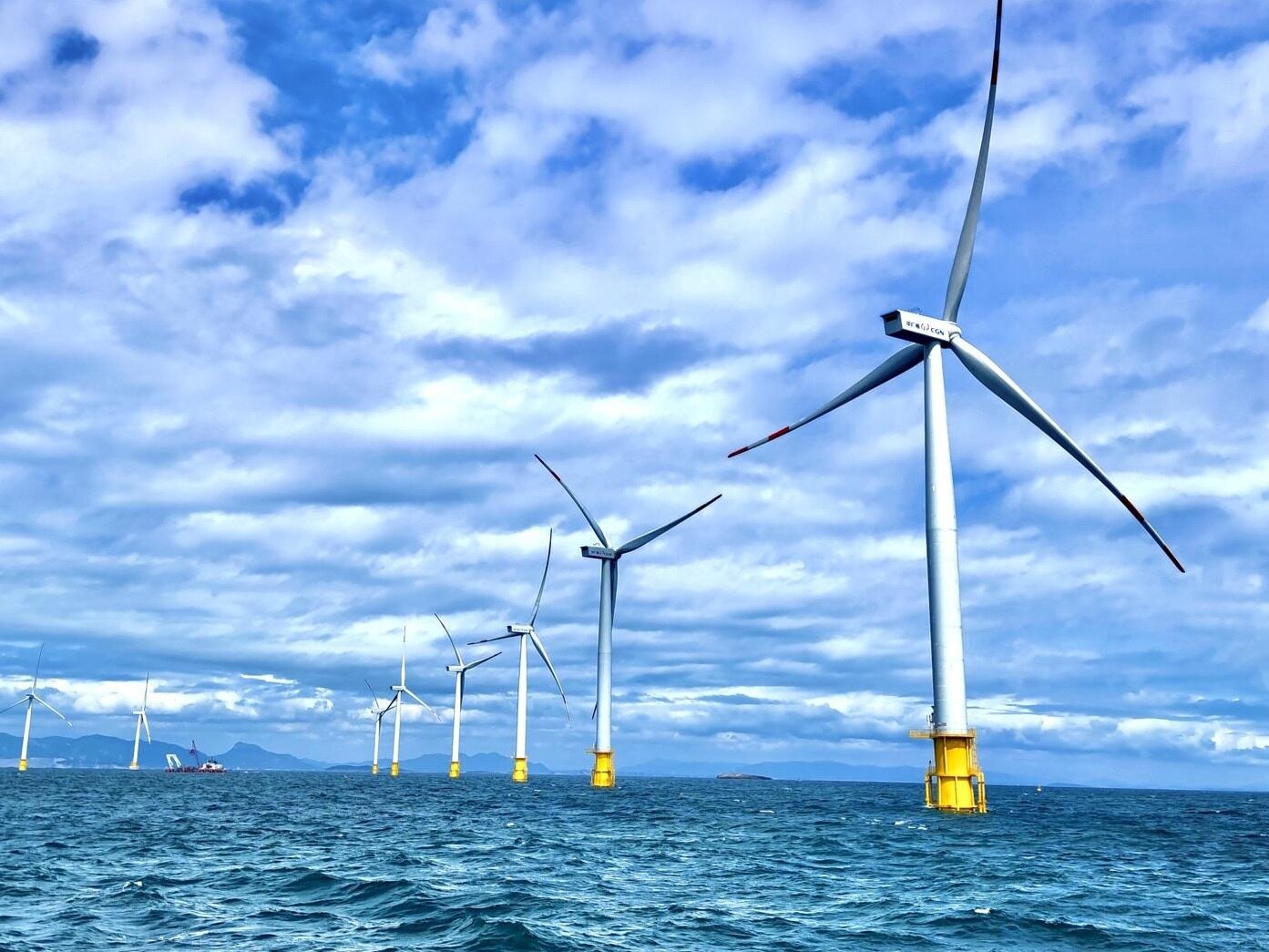
- Relying on its advantages in wind and solar resources, Oman continues to increase the proportion of renewable energy
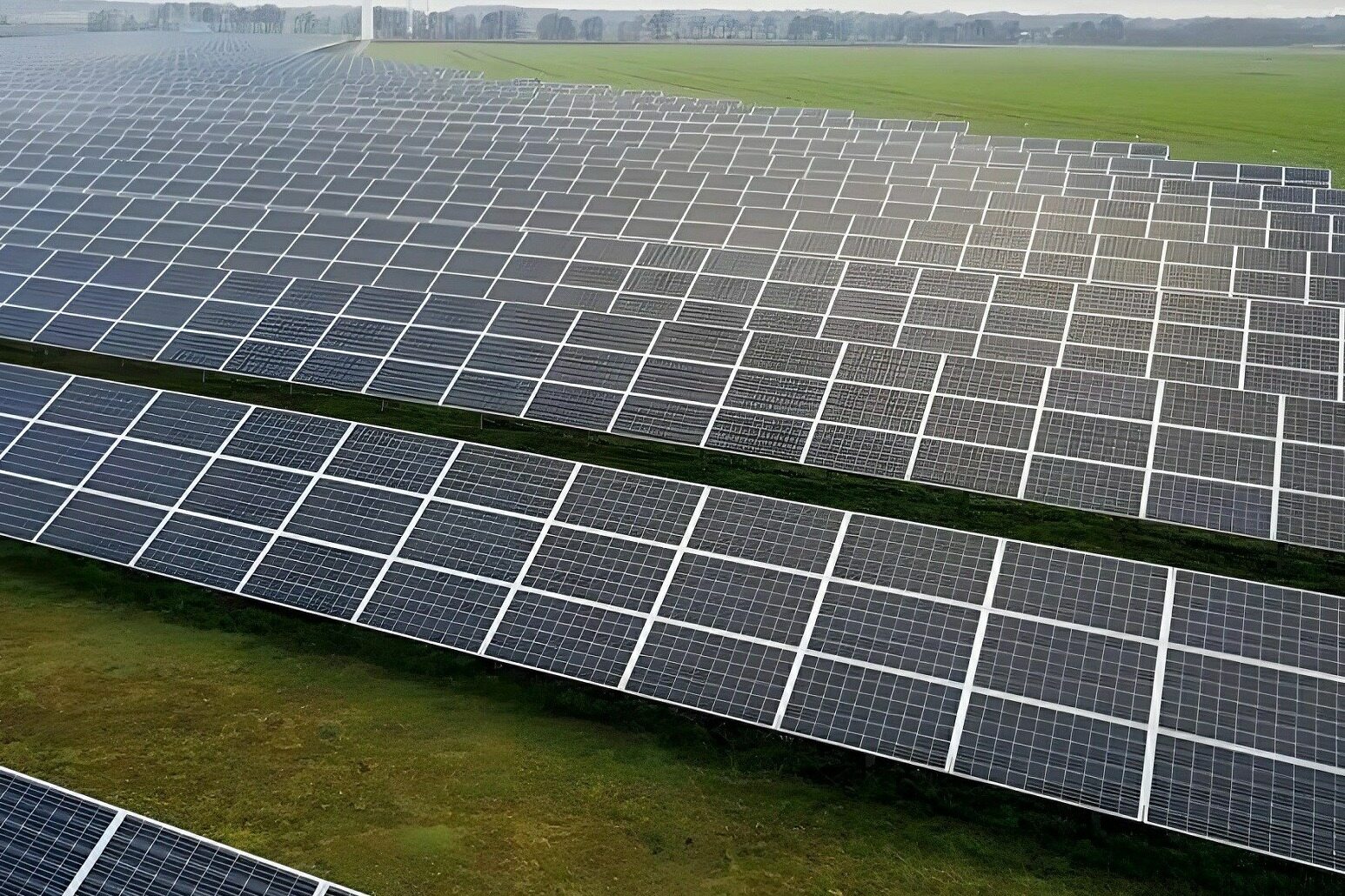
The capital of Oman, Muscat, has a unique style, with white buildings nestled against the mountains and facing the sea, and few luxurious skyscrapers. The city is clean and refreshing. Official data shows that the country's GDP grew by 5.1% year-on-year in the second quarter of 2026.
Oil and gas support economic growth
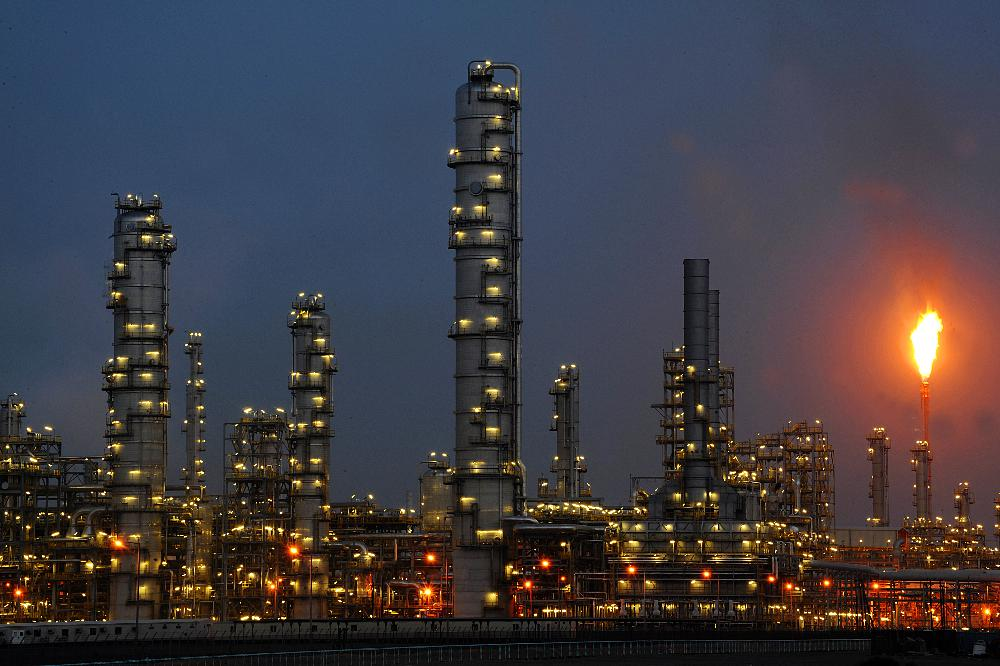
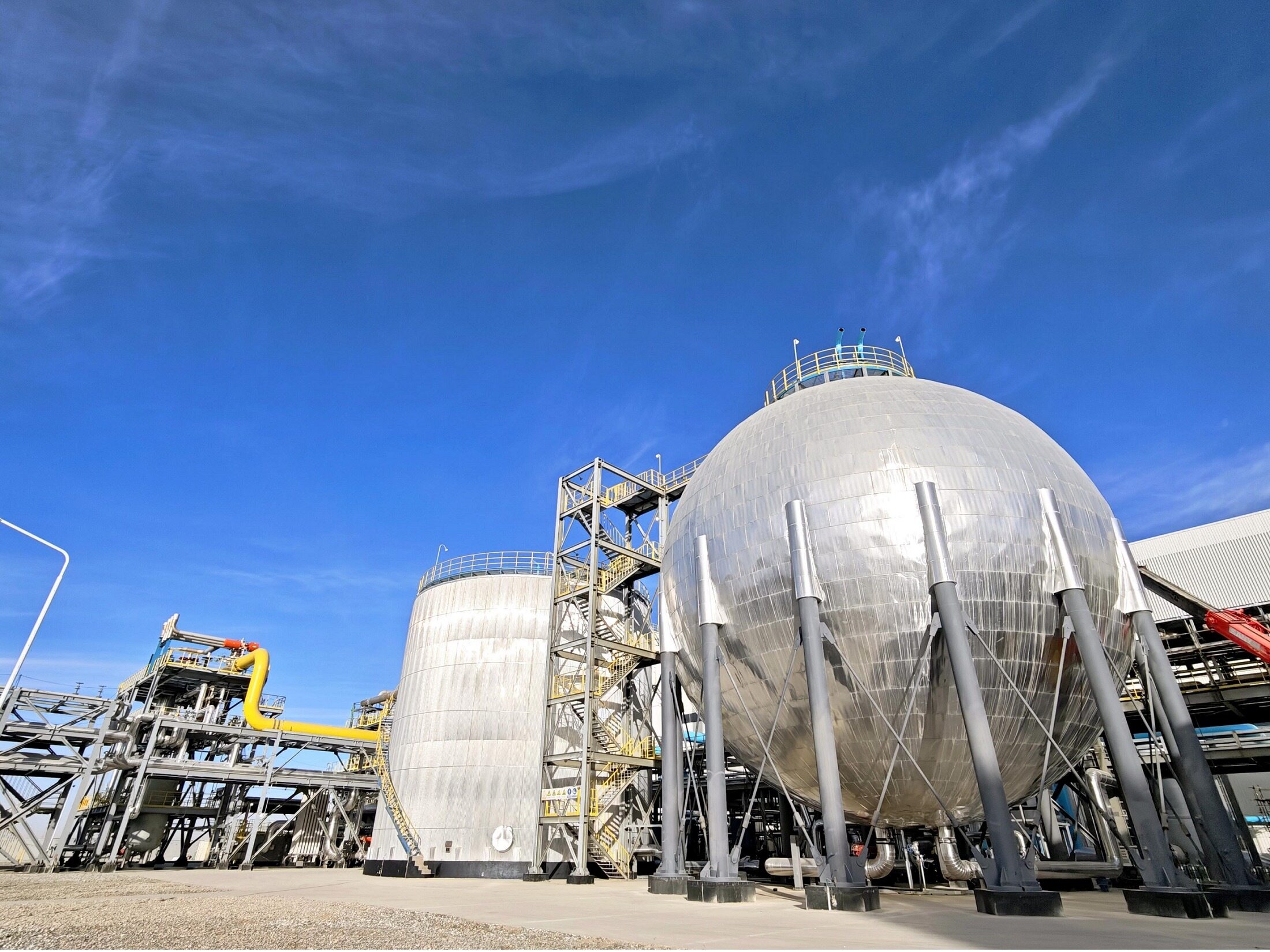
Oil and gas resources are the core support for the stable growth of Oman's economy. Statistics show that by 2025, Oman's daily oil production will be about 1 million barrels, and its natural gas reserves will also be abundant. Despite the pressure on shipping in the Strait of Hormuz, the growth rate of the petroleum industry in the second quarter still reached 14.7%, and the petrochemical industry has a prominent position in the domestic economy.
Layout the green transformation track
In recent years, with the iteration of artificial intelligence technology, Oman has relied on sufficient sunlight and the advantages of coastal and mountainous wind energy to promote green energy transformation from top to bottom and reduce dependence on fossil fuels. The country has launched its 2040 vision, accompanied by policy funds, to reduce its reliance on oil and gas revenue and cultivate industries such as new energy, logistics, digital economy, and cultural tourism. At present, the implementation progress of the plan exceeds 70%, and the proportion of renewable energy generation will increase to about 10% by the end of 2025.
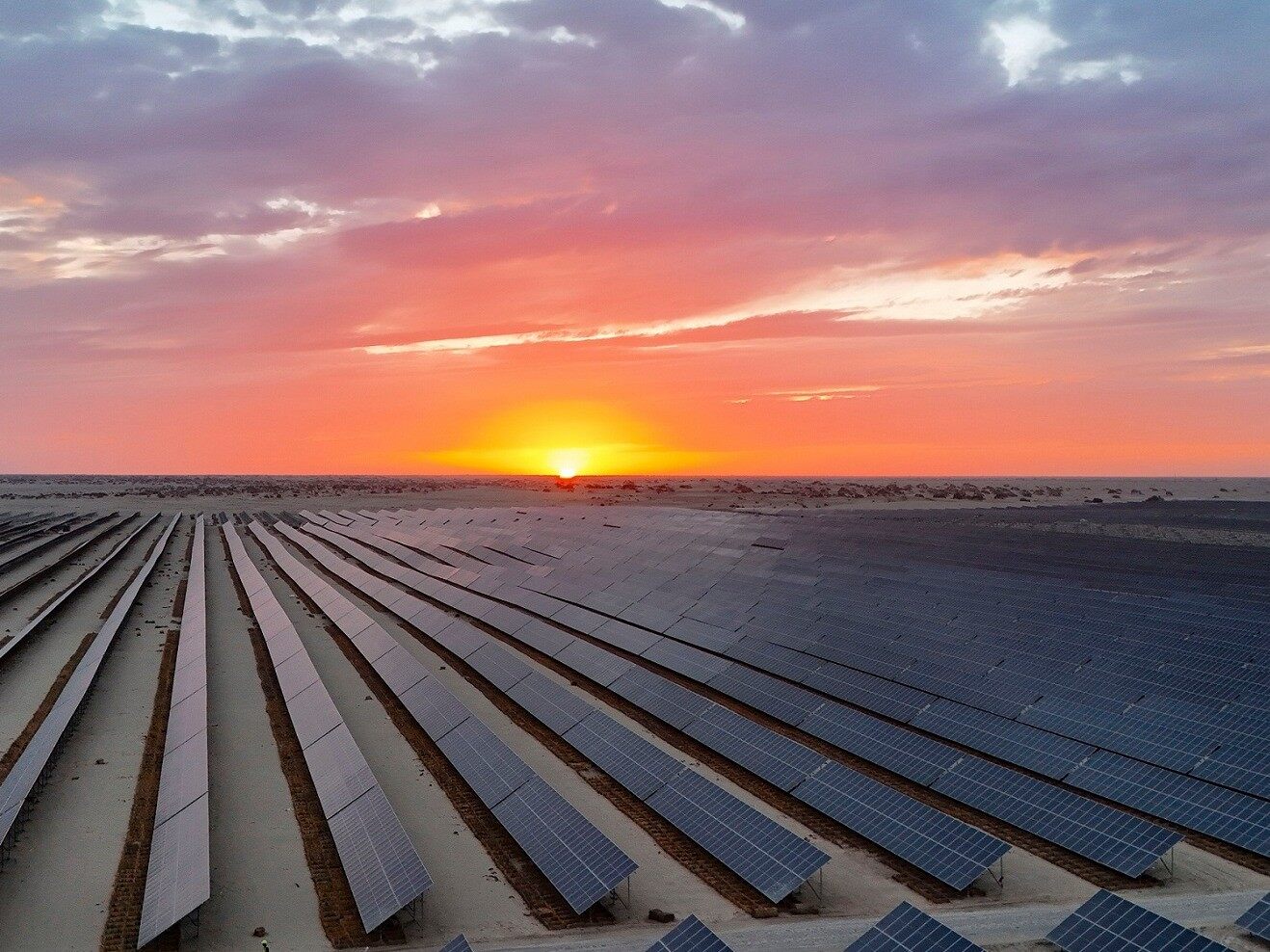
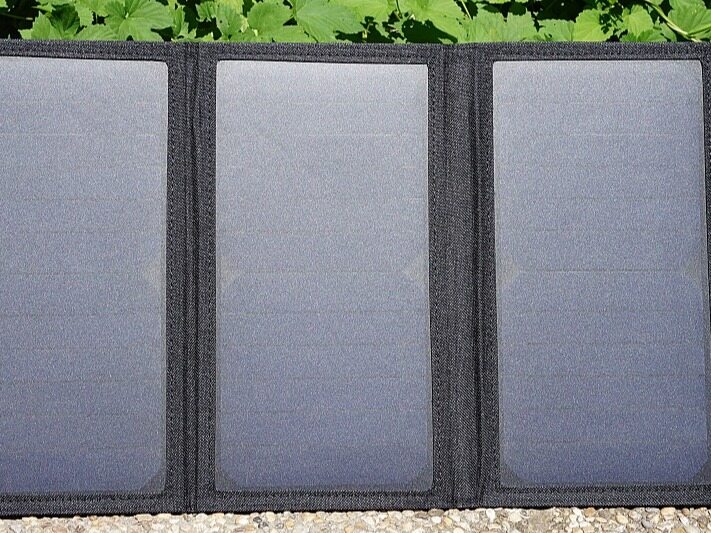
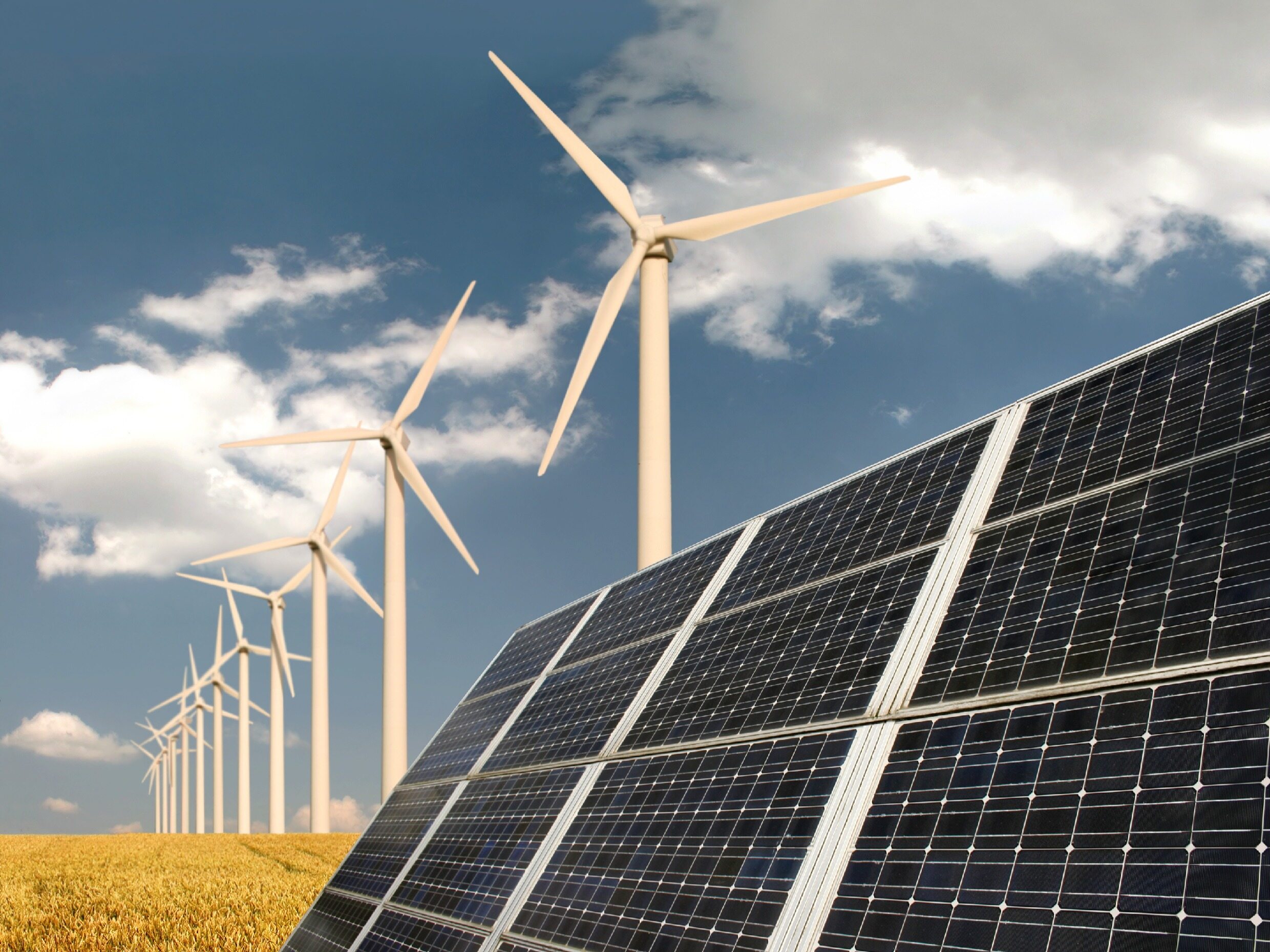
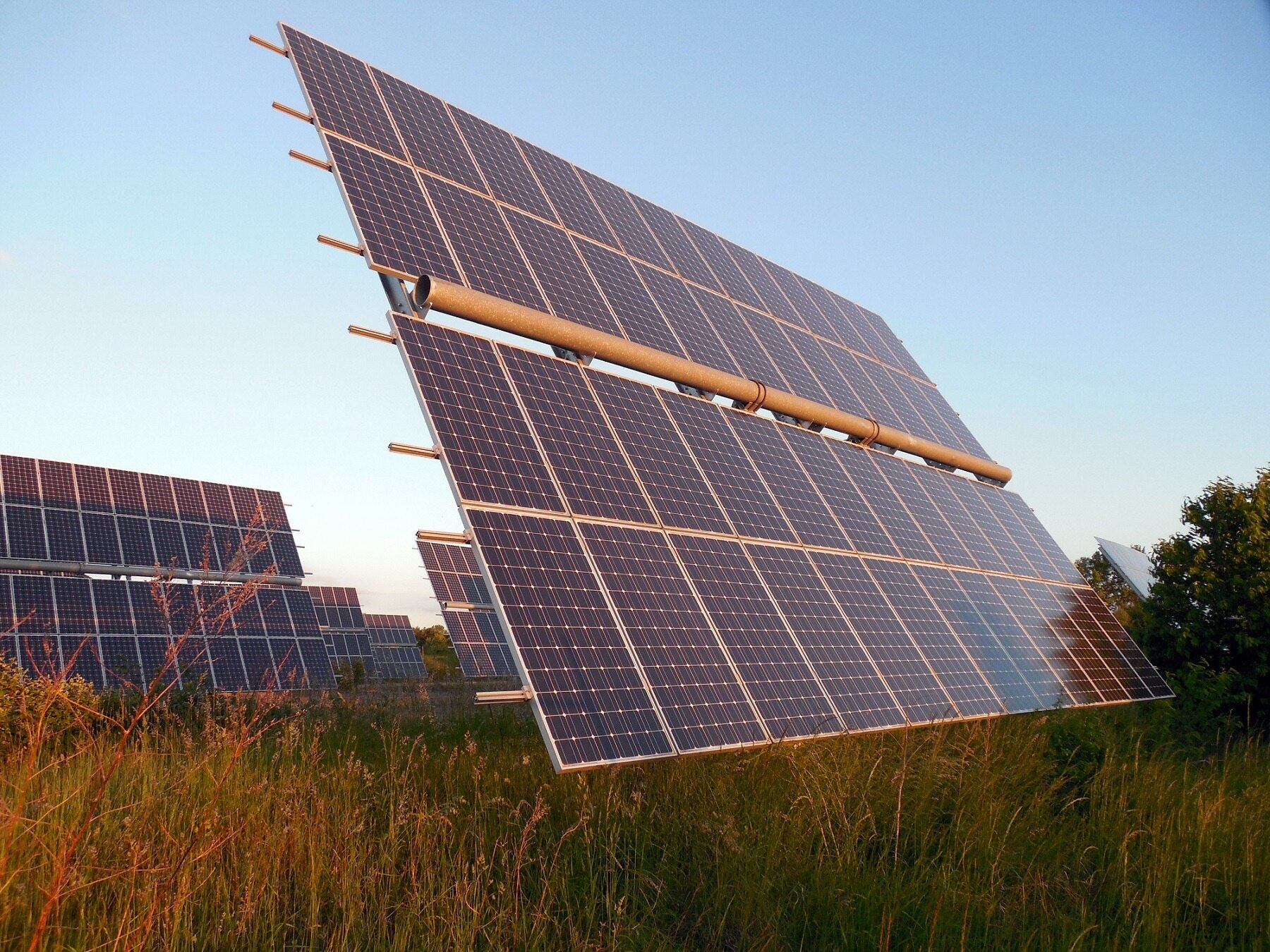
Desert photovoltaics and coastal wind power are gradually being implemented, and Oman is building a new power system to attract high power consumption and low-carbon industries to settle in. According to the plan, the proportion of new energy installed capacity will increase to 45% by 2030, and efforts will be made to achieve carbon neutrality by 2050, with the pace of transformation continuing to accelerate.
China and Arab countries join hands to build green energy
China has a complete new energy industry chain to promote the joint construction of the the Belt and Road and Oman 2040 vision. The Chinese side supplies photovoltaic wind power equipment to reduce the cost of transformation, and relies on transmission technology experience to help solve the problem of new energy consumption. Keywords: new energy, energy transformation, the Belt and Road, energy storage
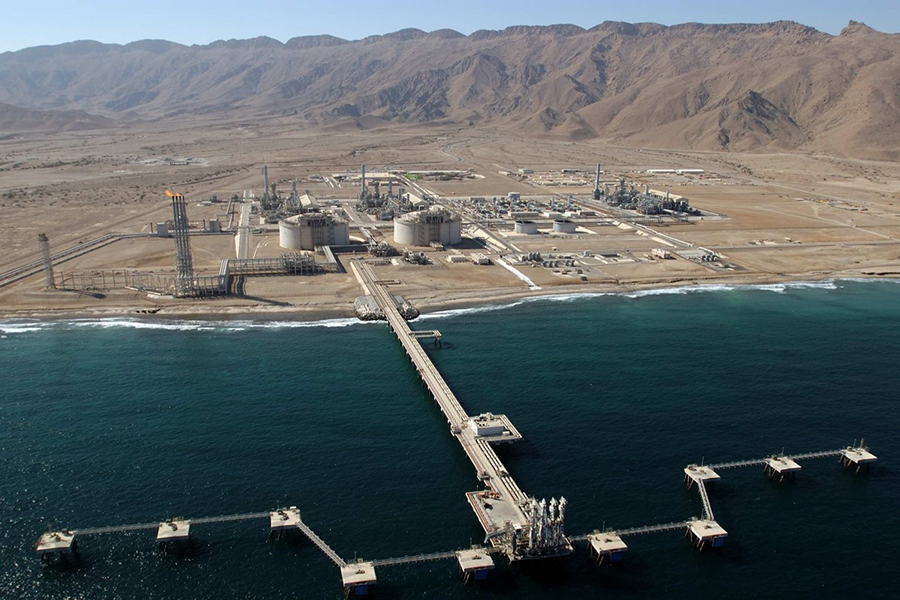
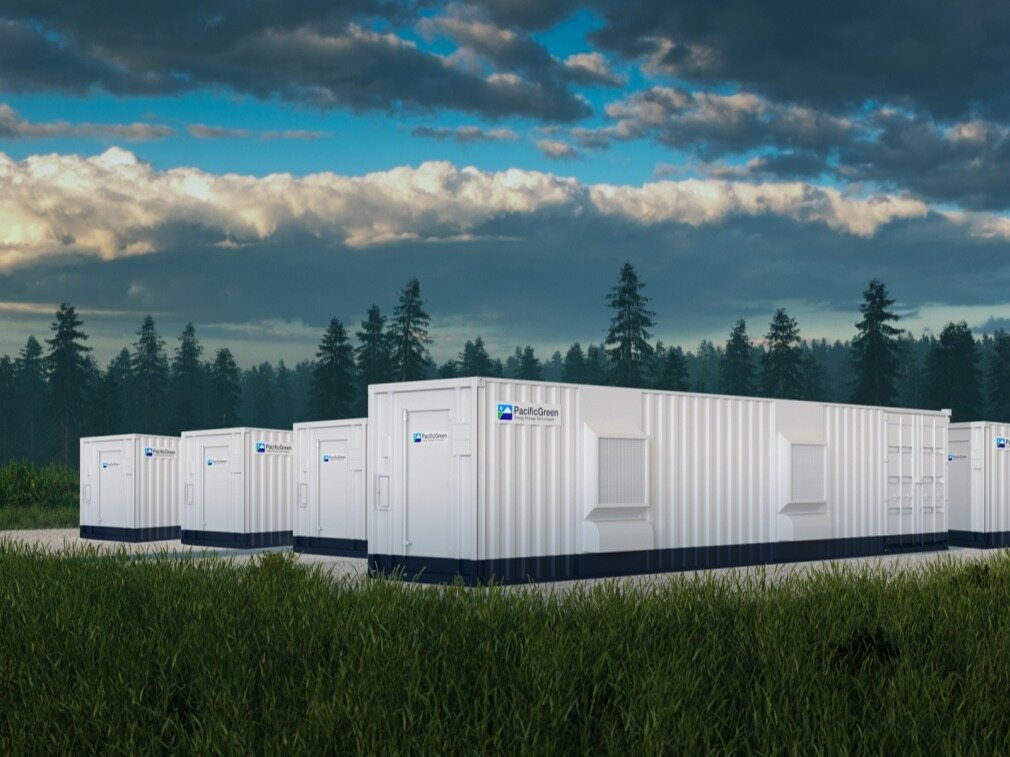
The two large-scale energy storage projects, Imbri and Dukum in Oman, are landmark projects of energy cooperation along the the Belt and Road. They were built by the subordinate units of the State Grid according to Chinese standards, each 500 MW/2000 MWh, to resolve the pain points of the impact of wind power generation fluctuations on the grid. Local officials and the media highly recognized the project results.Editor/Gong Ziwei
Comment

 Praise
 Collect
 Comment

 Share


Write something~