 Search


- China's power supply guarantee and regulation track clearly defines incremental growth
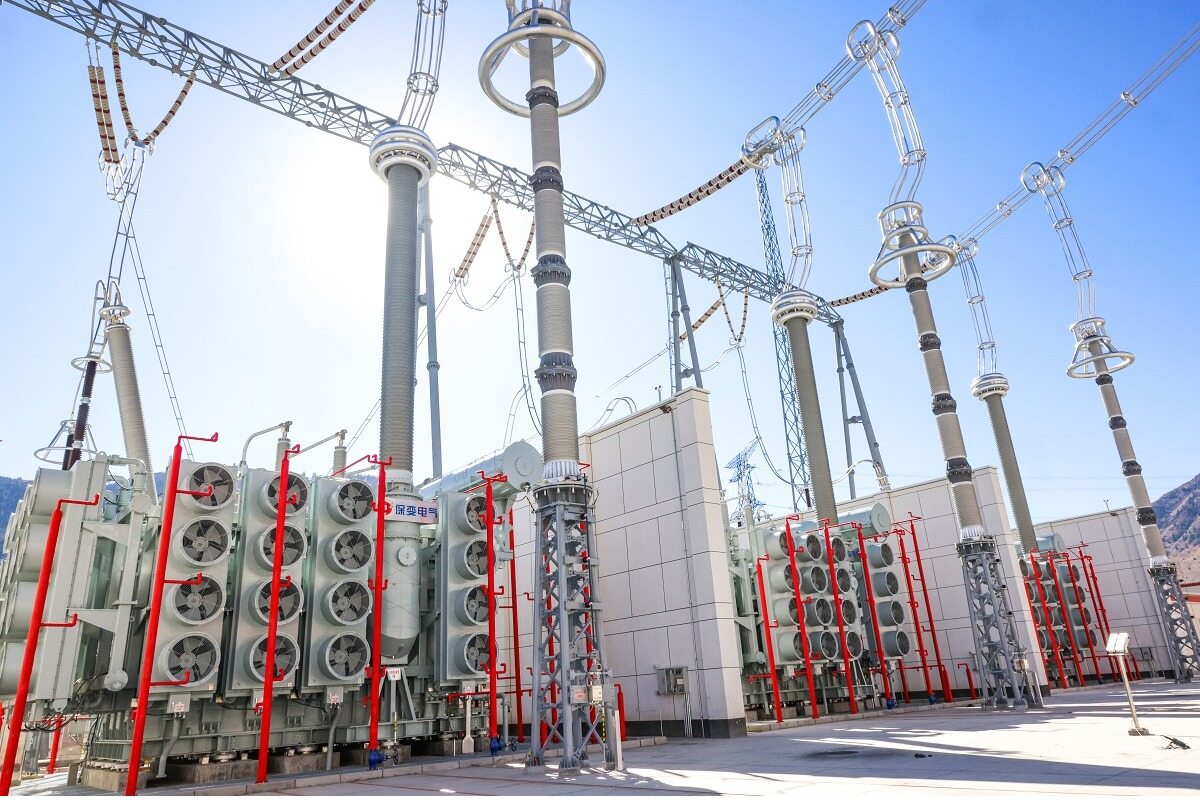
In the summer of 2026, the national power grid broke the regional electricity load record for 23 consecutive times. Behind the peak breaking, a low-level logic upgrade for power supply guarantee has been launched. At the 15th Five Year Plan press conference on November 6th, the National Development and Reform Commission directly introduced four sets of hard indicators, replacing the previous "assembling machines and chasing total quantity" supply guarantee concept with a new rule of calculating based on the actual available capacity during peak hours.
3 new Shanghai electricity consumption per year
During the 15th Five Year Plan period, the average annual increase in electricity consumption in China will reach 600 billion kilowatt hours. With the continuous expansion of the computing power industry and the comprehensive electrification of the industrial, transportation, and construction sectors, the power system is no longer facing the load curve of steady growth in the past. The cooling load combined with uninterrupted computing power consumption has resulted in an instantaneous peak growth rate that far exceeds the average annual electricity growth rate. In the past, the method of only calculating the supply surplus based on the total installed capacity could easily lead to a gap of "sufficient numbers but unable to meet the actual demand" during the late peak period.
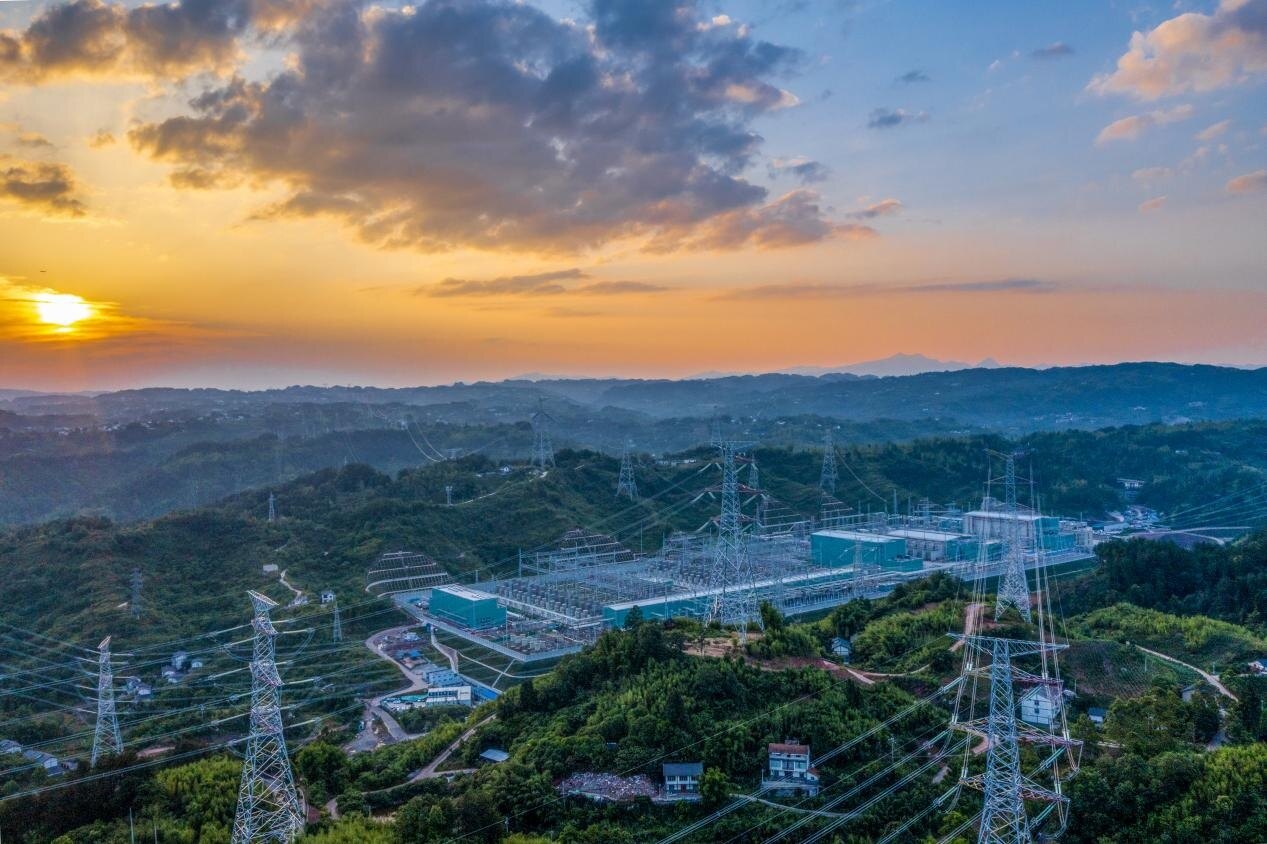
The electricity supply adequacy index for 2030 is directly set at 1.1 or above, which means that in the hour when the highest electricity load occurs throughout the year, the system must have a stable reserve capacity of 10%. This adequacy warning mechanism no longer looks at how much electricity is generated throughout the year, but only calculates during the most tight evening peak hours. The available capacity of all power sources, power grids, loads, and energy storage will ultimately be converted into the actual power supply surplus during peak hours.
Accurate implementation of four indicators
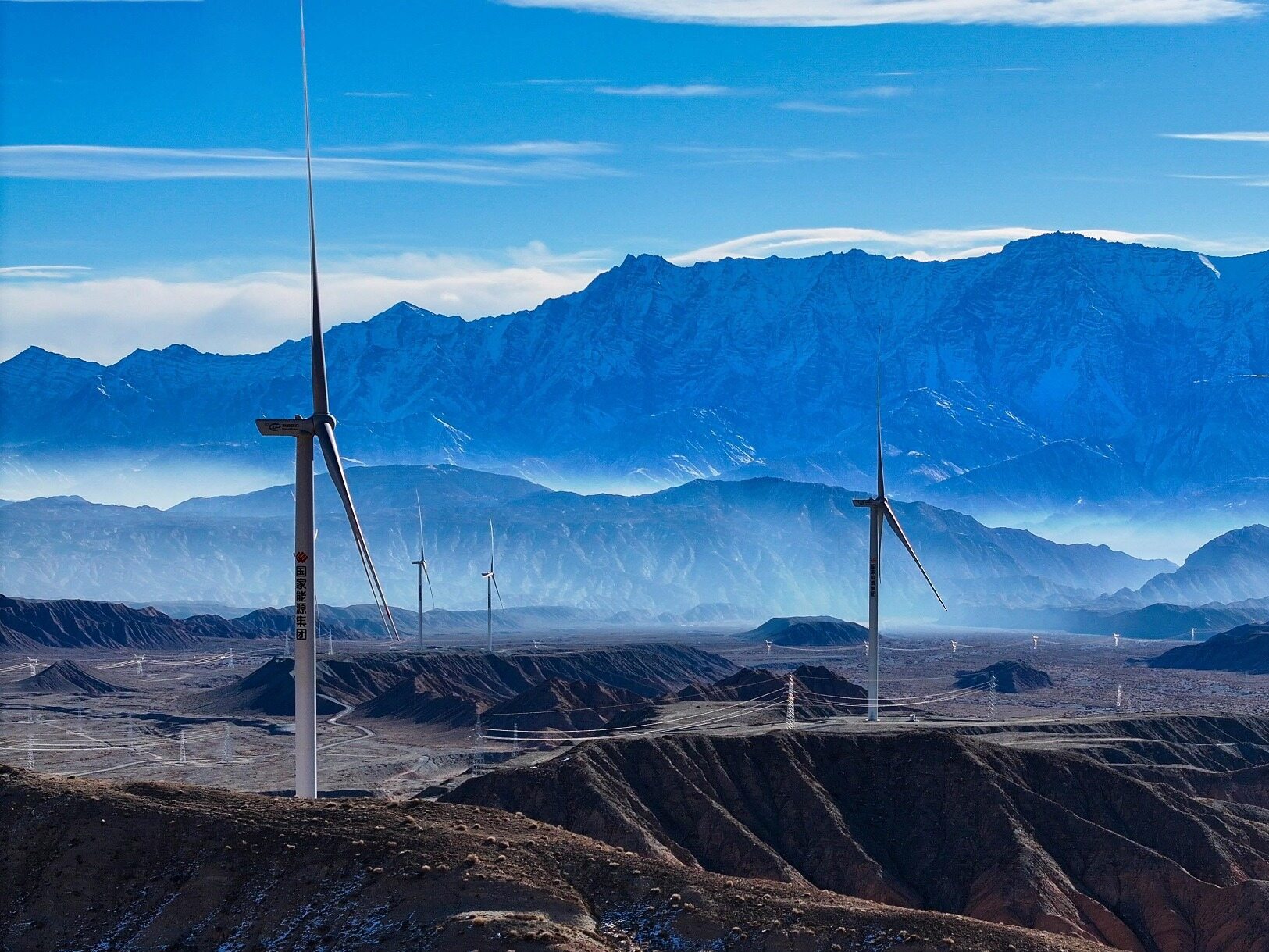
The press conference did not provide a general figure for the total installed capacity of new energy, but directly requested that during the peak summer period, the proportion of wind and photovoltaic power generation should reach more than 20%, which is 10 percentage points higher than the current level. This indicator completely avoids the "digital peak" of the noon photovoltaic boom, and specifically targets the period when photovoltaic output drops and supply pressure is the greatest, forcing new energy to shift from "installing too much" to "being able to withstand it".
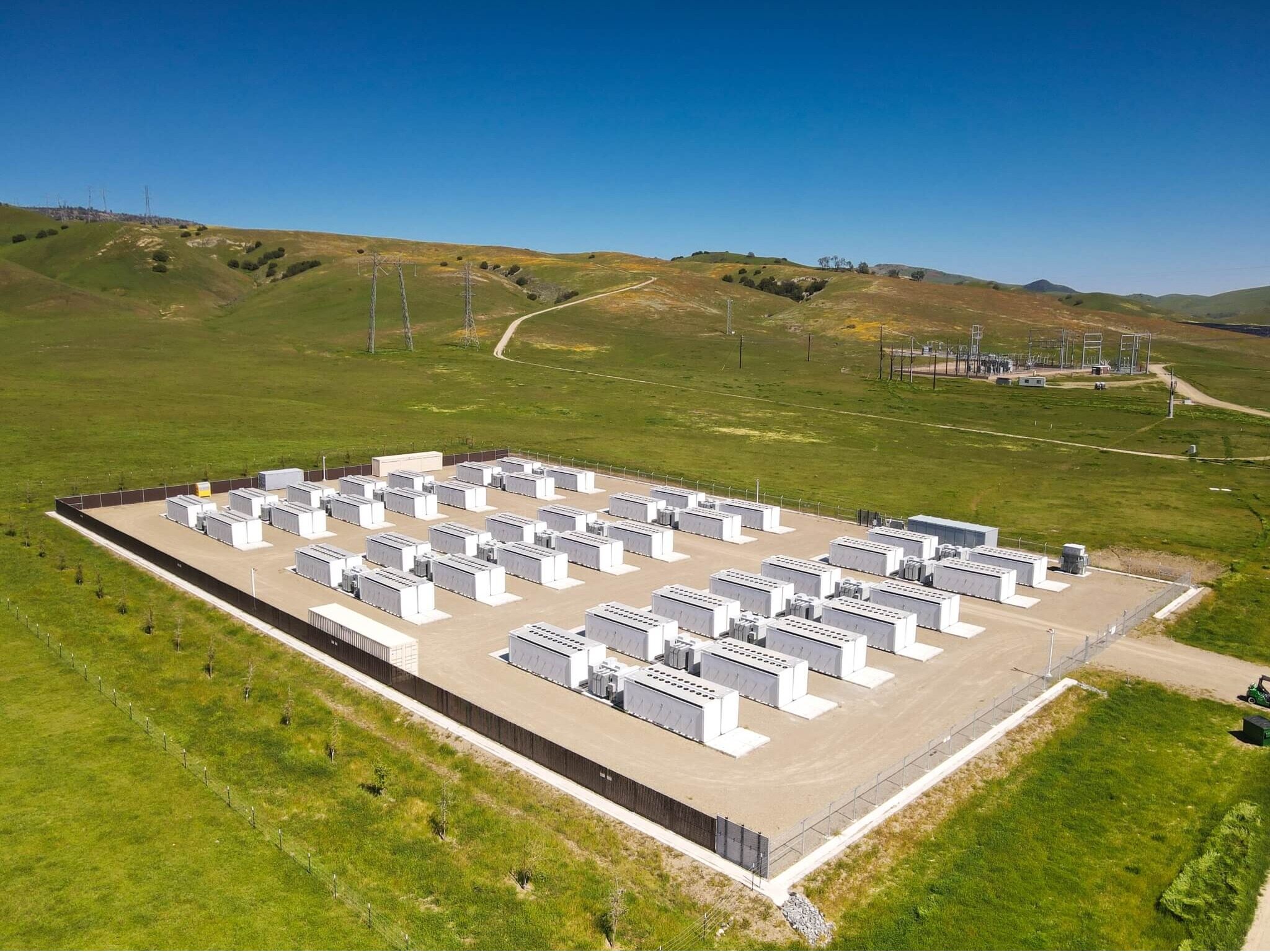
The corresponding regulatory resource targets will be implemented synchronously. By 2030, the installed capacity of pumped storage will be 160 million kilowatts, the new energy storage will be 300 million kilowatts, the aggregated adjustable power of virtual power plants will exceed 50 million kilowatts, and the inter provincial cross regional mutual aid capacity will increase by 40 million kilowatts.
Long term energy storage is responsible for transferring electricity across days, short-term energy storage provides millisecond level power support, disperses flexible loads to fill short-term gaps, cross provincial adjustment of large power grids to smooth out regional peak and off peak differences, and four types of resources work together in the same evening peak window, completely rewriting the previous single reliance on coal-fired power peak to ensure supply pattern.Editor/Cheng Liting
Comment


 Praise
 Collect
 Comment

 Share


Write something~