 Search


- Supported by faster travel, lower logistics costs, and a more stable supply chain
- Let the development dividends flow into thousands of cities, thousands of enterprises, and ordinary days
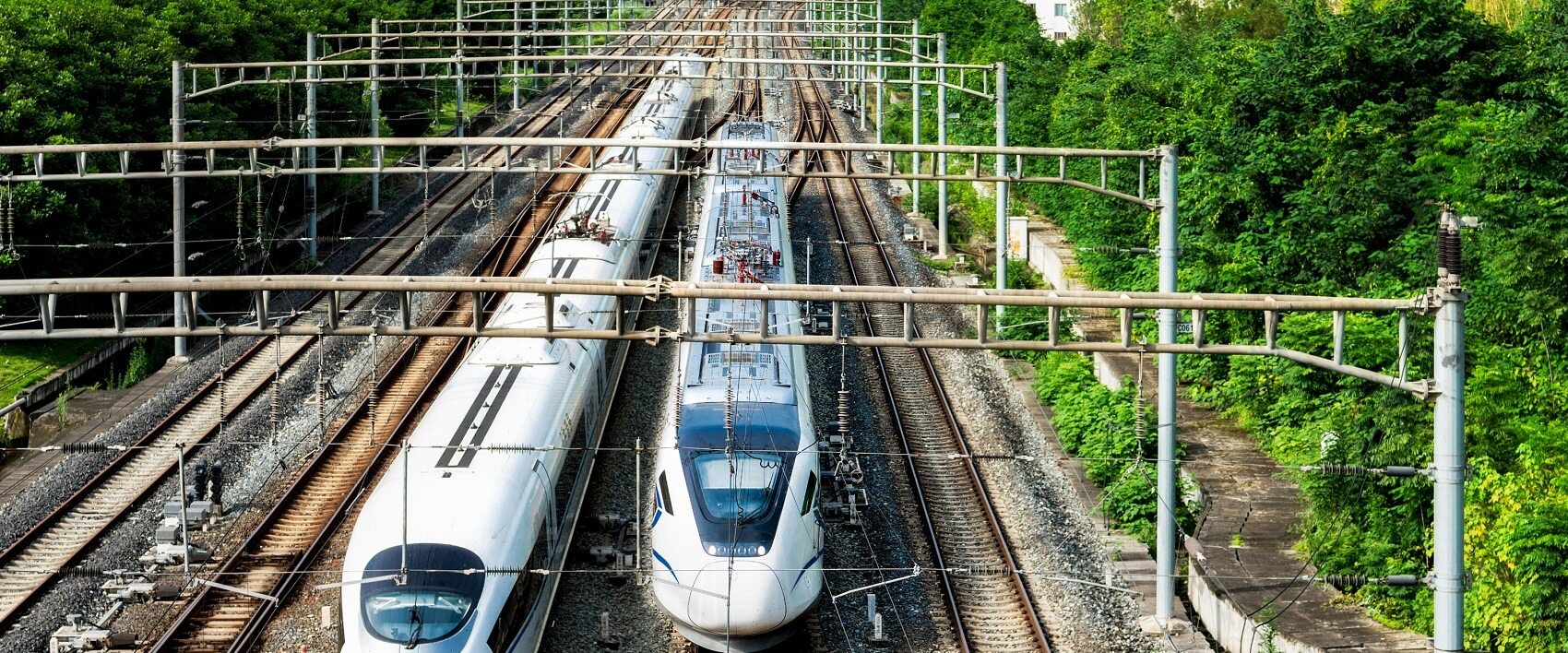
At 6:30 in the morning, a high-speed railway station between Chengdu and Chongqing had already lit up. The arrival and departure time on the electronic screen is measured in minutes. Some people rush to the morning meeting, while others deliver a box of goods. People who often take this route calculate the distance between two cities not in kilometers, but in the time it takes for a cup of coffee to cool down. On November 4, 2026, the National Development and Reform Commission issued a railway blueprint for the next five years: during the 15th Five Year Plan period, about 15000 kilometers of railways will be built, including about 10000 kilometers of high-speed railways, basically achieving the goal of railway modernization.
Extend the road network further outward
The skeleton is basically built as the main channel of the eight vertical and eight horizontal high-speed railways, and the coverage area of regional connecting lines is reasonably expanded. By the end of 2025, the total operating mileage of railways in China will be 165000 kilometers, with high-speed railways exceeding 50000 kilometers.
An additional 15000 kilometers will be paved, with the focus shifting from filling gaps to connecting and enhancing resilience: the step-by-step promotion of the Yangtze River, coastal and border channels will be carried out, and the transportation of coal from Xinjiang and the Qin Shen Second Channel will be synchronized; The expansion of regular speed railways and busy trunk lines together make up for the shortcomings and basically eliminate the bottleneck of trunk channel capacity.
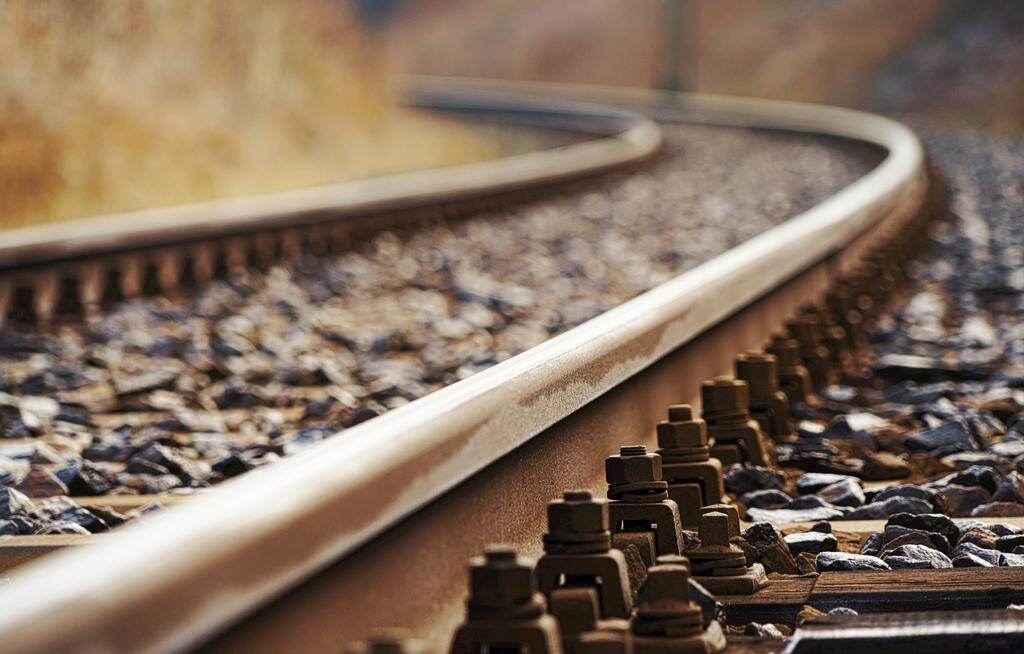
The main channel is the main artery, and the regional connecting line connects small and medium-sized cities with urban agglomerations into the network, filling in the gaps in the west and the shortcomings of commuting.
In daily life, it's like having an extra direct bus to your doorstep.
Turn speed into a standard
Accelerate the construction and operation of a complete set of technology and standard system for high-speed rail with a speed of 400 kilometers per hour, and steadily promote commercial operation. The CR450 prototype has completed type testing and 300000 kilometers of operation assessment. It has been tested for 450 kilometers and operated for 400 kilometers. The energy consumption at a speed of 400 kilometers per hour is basically equivalent to that of the Fuxing 350 kilometers per hour.
The difficulty lies not in the speed of the vehicle, but in the complete matching of the vehicle with the lines, bridges and tunnels, power supply, and communication signals, turning the test into a replicable standard. The 15th Five Year Plan for Railway Science and Technology Innovation has deployed no less than 20 demonstration projects.
The Chengdu Chongqing high-speed railway reserves conditions for speed increase and is expected to be completed in 2027, with a 50 minute travel time between Chengdu and Chongqing.
The word 'steady' leaves room for maneuver: only by calculating the route, cost, and passenger flow can the speed be recorded on the timetable.
There are also fast lanes for freight transportation
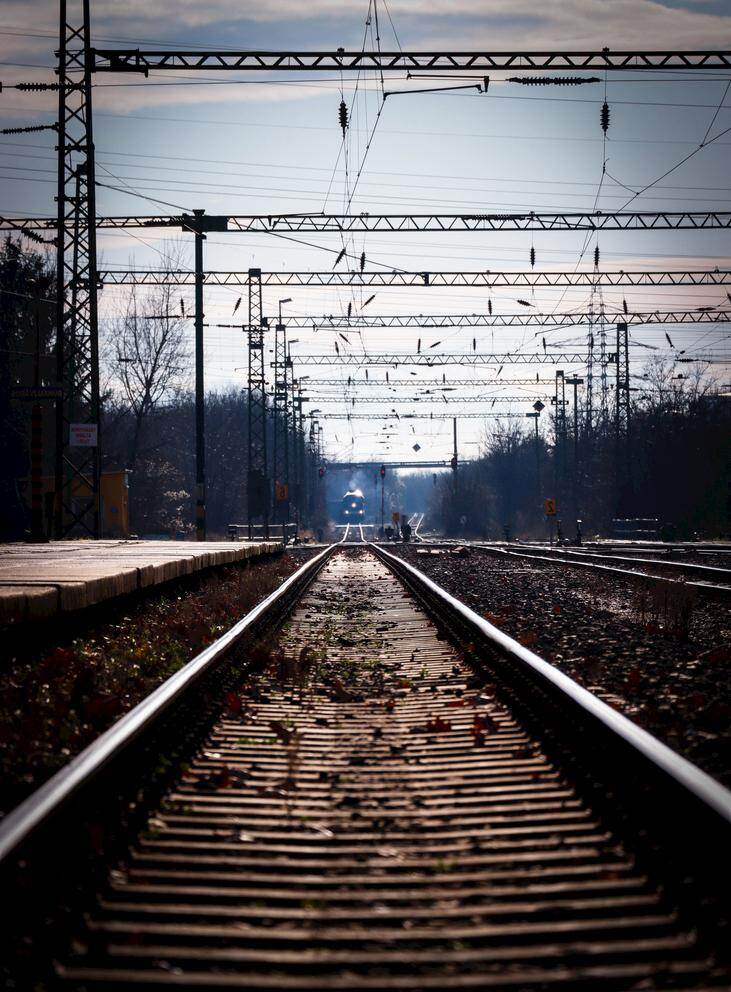
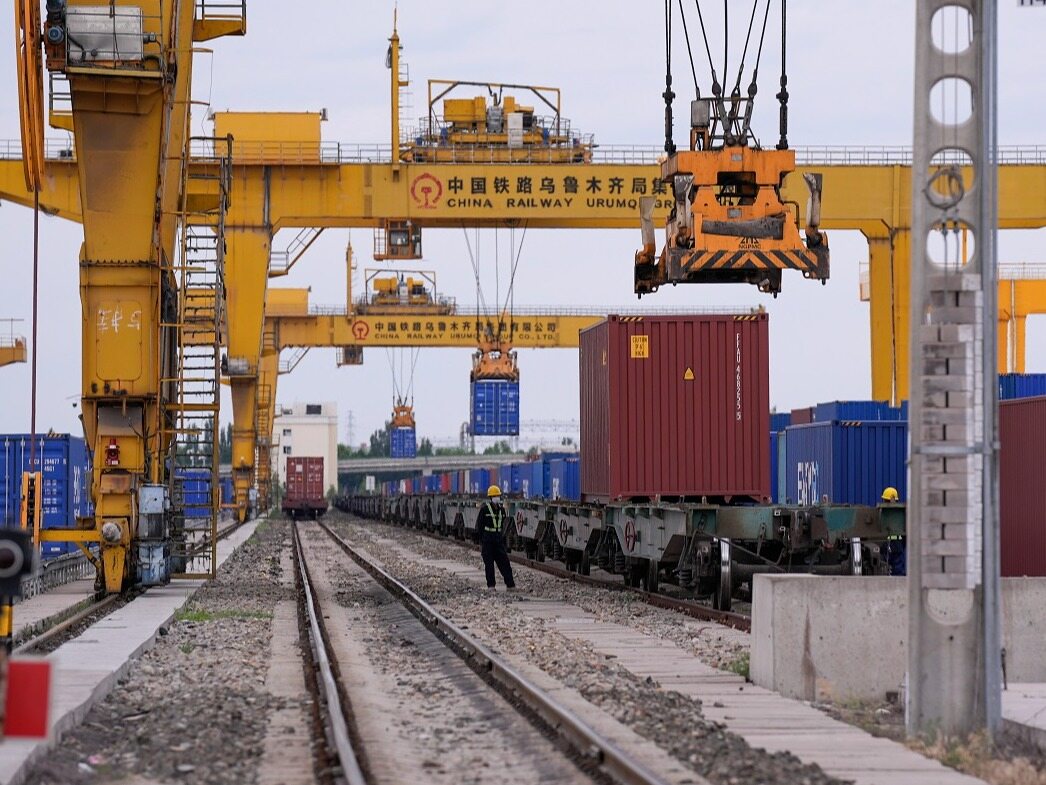
We will steadily promote the on-demand operation of freight trains on railways with a speed of 200 kilometers per hour, and strive to increase the freight volume by 220 million tons during the 15th Five Year Plan period. The total volume of railway freight transportation in China by 2025 is 5.277 billion tons. High speed rail is mainly used for passenger transportation. After the capacity of the main channel is freed up, existing lines and regular speed channels can undertake more high efficiency goods; By cooperating with a specialized freight network and container trains, the circulation of energy, food, and industrial materials is more stable.
The railway has a large capacity, low cost, green and low-carbon, and has been operated on demand. There is still room for further exploration of logistics costs, and the industrial and supply chains have an additional layer of guarantee.
Stability and on-demand are key: according to the flow of goods and capacity, 220 million tons is the increment that can be implemented.
Railways are the backbone of comprehensive transportation, while highways, water transportation, and civil aviation are strengthened simultaneously. Modernization is not only about mileage, but also about the overall improvement of road networks, technology, and transportation structures. keywords:Engineering infrastructure
The platform electronic screen will be rewritten several times, and the new 15000 kilometer line will be delivered with shorter distance, lighter cost, and more choices.Editor/Yang Meiling
Comment

 Praise
 Collect
 Comment

 Share


Write something~