 Search


- Four Chinese Departments Jointly Issue Guidelines for the Innovative Development of Gas Turbines
- Promote the transformation of high-end energy equipment from manufacturing to reliability
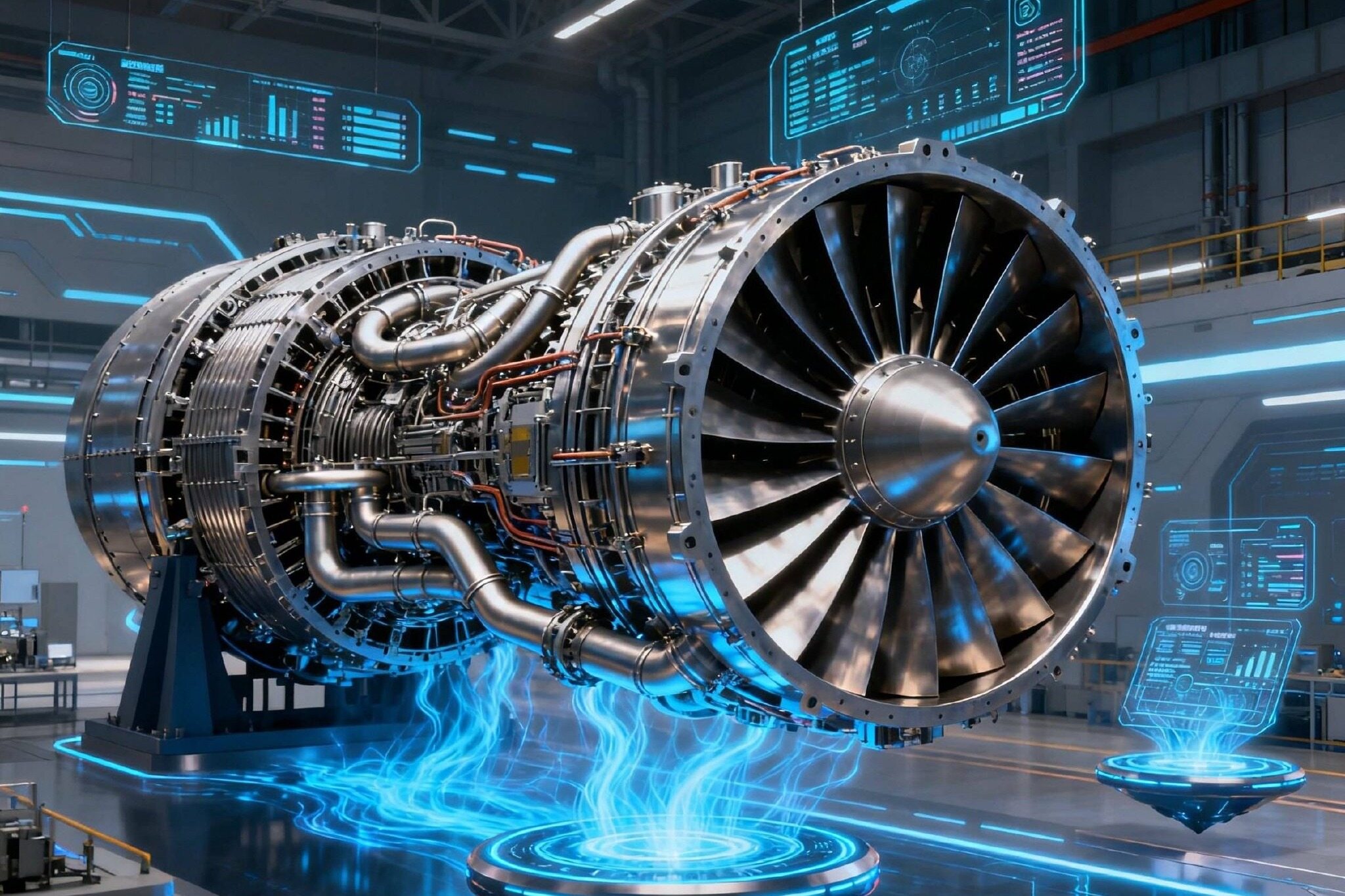
A G50 heavy-duty gas turbine has been operating smoothly at Huadian Qingyuan Power Plant, achieving a new milestone of 1,000 consecutive stable hours in a single run. Amid the peak summer electricity demand and the impact of typhoons, the unit withstood all challenges. Combined with its prior cumulative operation exceeding 10,000 hours, its solid performance gradually alleviated market concerns about the stability of domestic equipment. Currently, global gas turbine supply is tight, with extended delivery lead times from overseas manufacturers. Domestic turbines are facing a rare window of opportunity, but securing orders still requires more long-term operational records from power plant sites to build trust.
Market opportunity
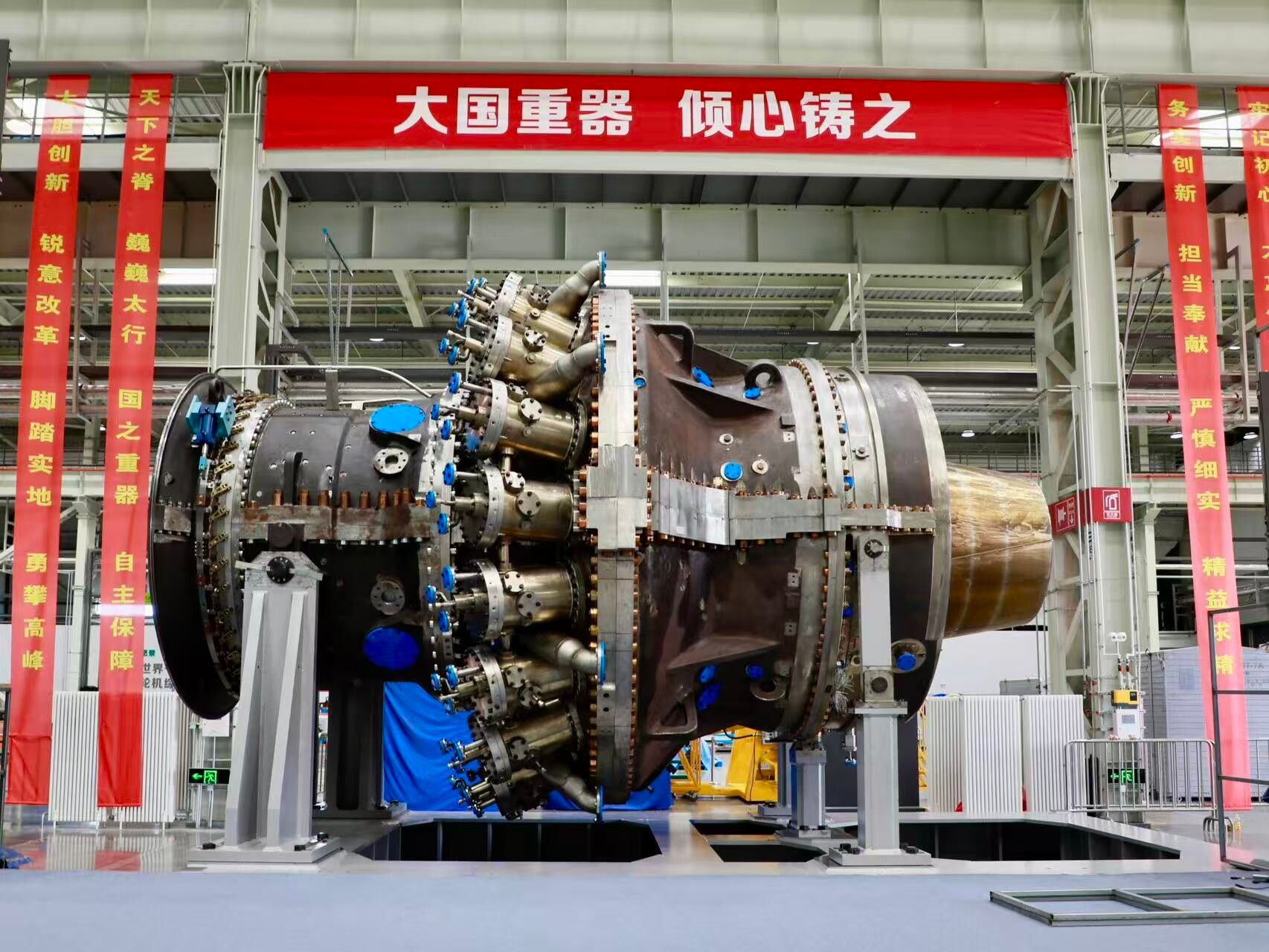
The global gas turbine market is facing a rare supply shortage in years, with global demand reaching 90 to 100 gigawatts by 2025, while overseas leading manufacturers have an annual production capacity of only 55 to 60 gigawatts. The production schedules for models from Siemens Energy and GE Vernova have already been booked for years ahead. The construction of new production lines takes a long time, and constraints in the supply chain of core components and skilled workers further limit capacity expansion. Overseas buyers are beginning to seek alternative solutions, while domestic component manufacturers have already entered the international supply chain. However, the progress of whole-machine exports remains sluggish, primarily due to a lack of long-term operational data and maintenance experience.
Real-world validation
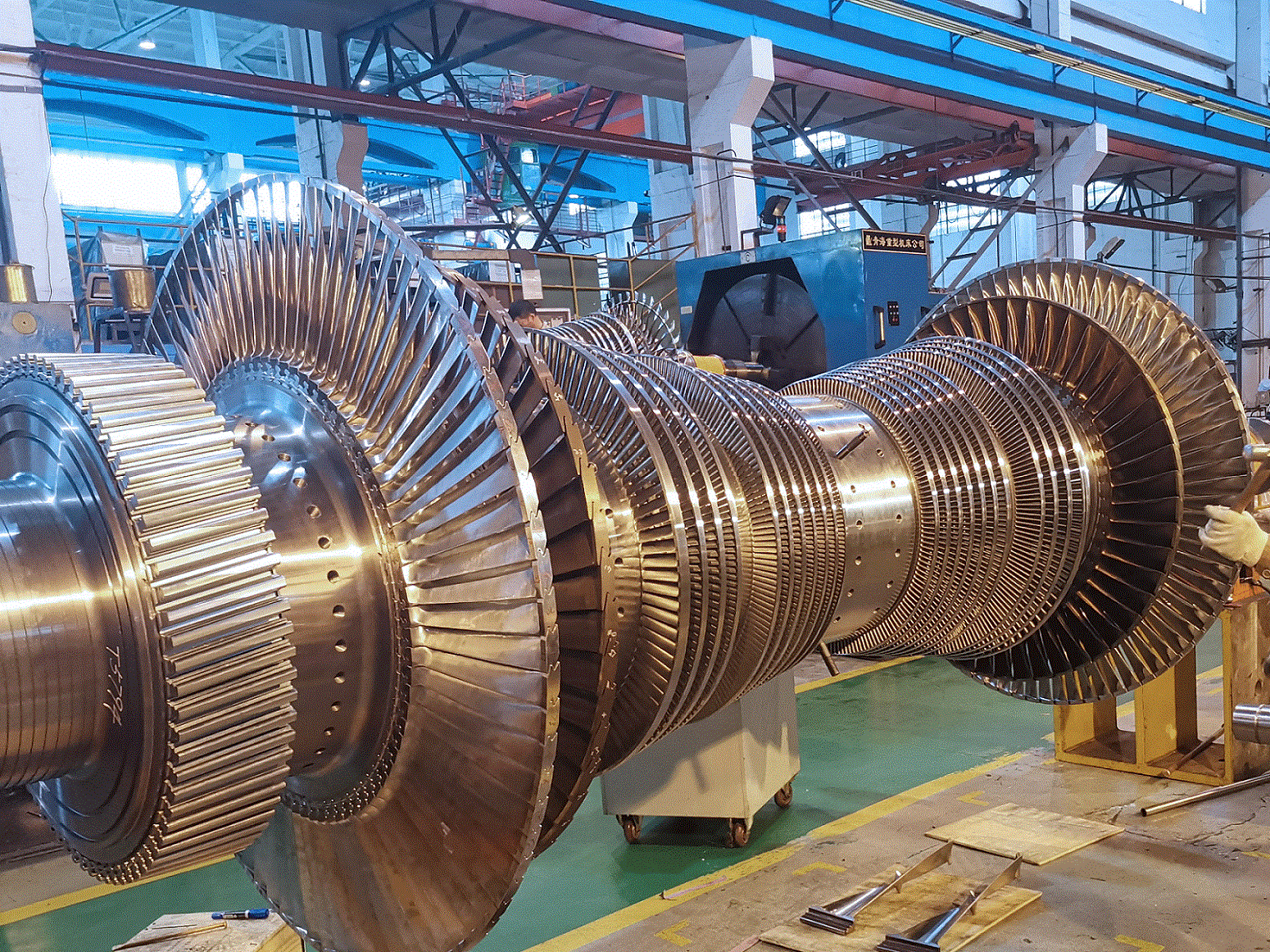
Domestication safeguards supply chain security, and only continuous on-site operational records can build user trust. Beyond the G50 unit at Qingyuan Power Plant, Dongguan has implemented a 300-megawatt-class F-grade heavy-duty gas turbine demonstration power station project. The prototype was developed over eight years by over 200 organizations across multiple regions, having completed ignition and trial operation with a cumulative grid-connected generation of 196 million kilowatt-hours. The project is scheduled to commence in late 2026 and commence operation by 2028, subject to provincial grid dispatch inspections. Industry insiders acknowledge that domestic gas turbines still lag behind in product line breadth and core component reliability, while an industry-university-research collaborative innovation system continues to address these gaps.Keywords: Heavy-duty gas turbines, independent industrial chain, gas turbine demonstration
policy floor
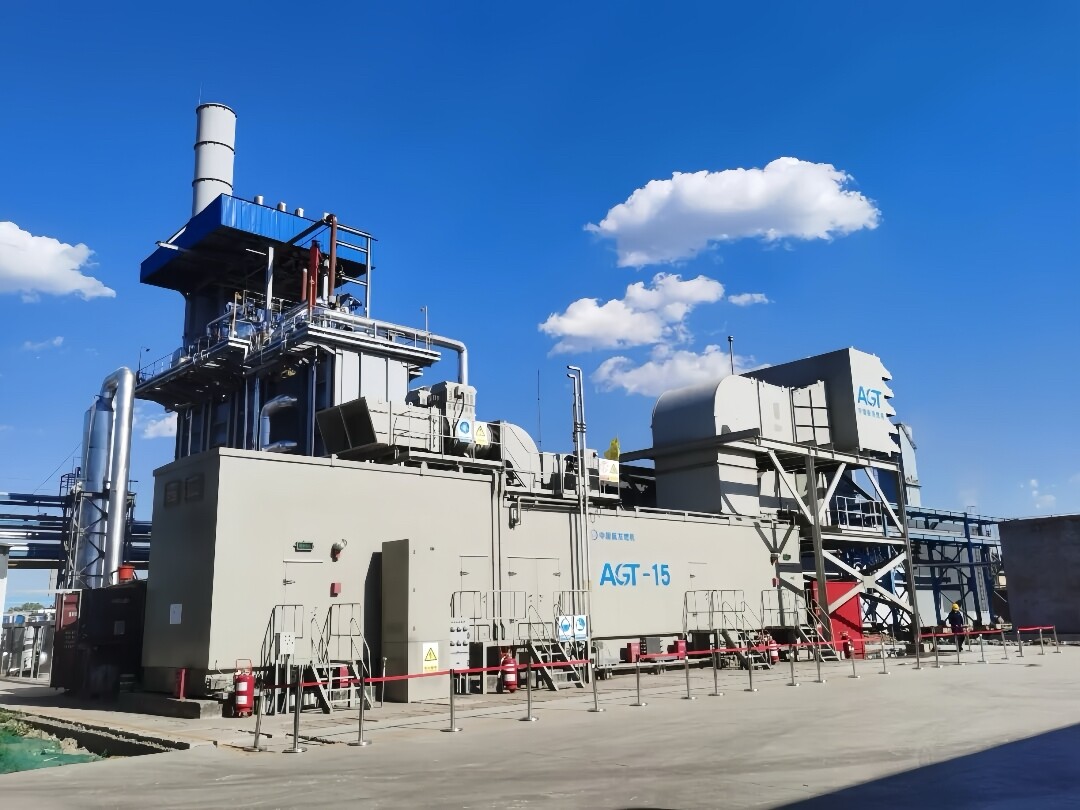
The guidelines introduce 16 key tasks targeting challenges in the promotion of domestically produced gas turbines, including revenue, assessment, and reliability issues. Policies establish a margin of error for first-of-a-kind projects, open procurement channels for state-owned enterprises, adjust revenue assessment requirements for demonstration projects, and support stable power generation prices and gas supply guarantees. Efforts are also focused on independent operation and maintenance, advancing local repair of spare parts and building a fault database. The industry is simultaneously deploying AI-based simulation monitoring, steadily conducting tests on hydrogen, ammonia, and alcohol fuel blending, and catching up with international peers in the green gas turbine sector.Editor / Li Xiaohua
Comment


 Praise
 Collect
 Comment

 Share


Write something~