 Search


- The first batch of Egypt's energy storage project has been completed, and China Egypt green energy cooperation has entered the fast lane
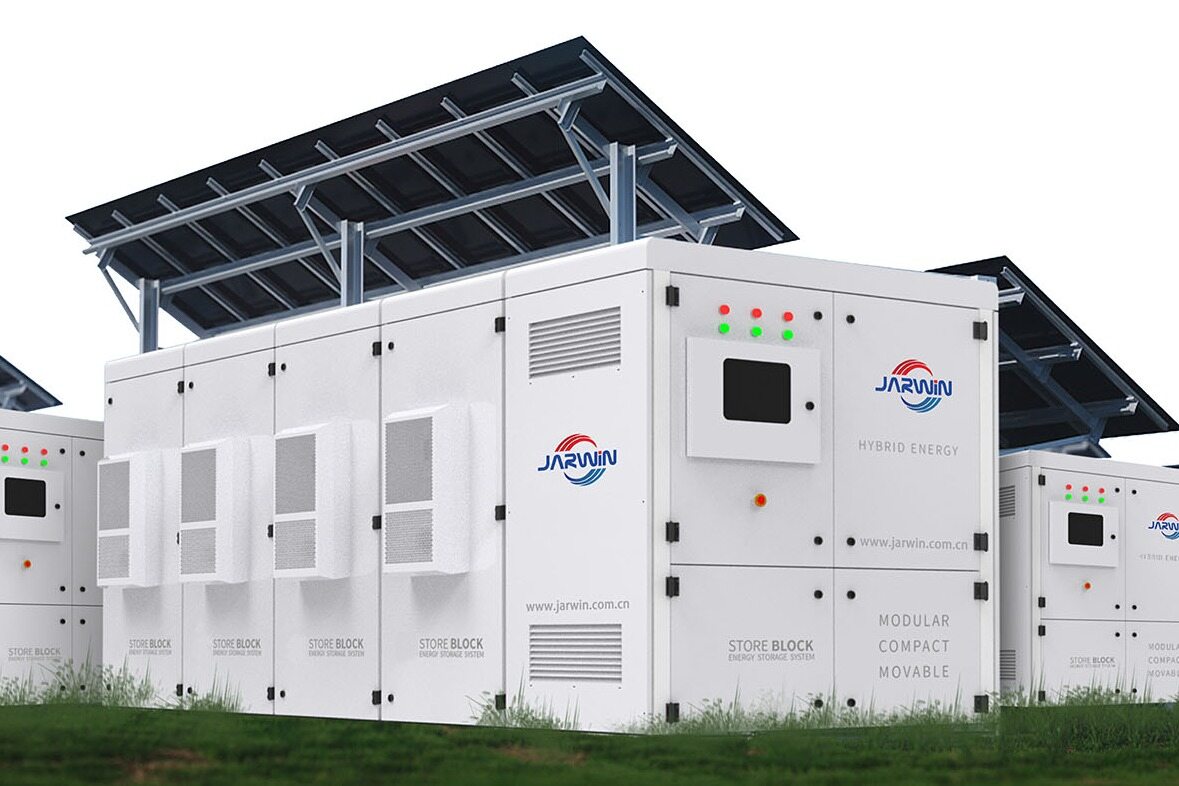
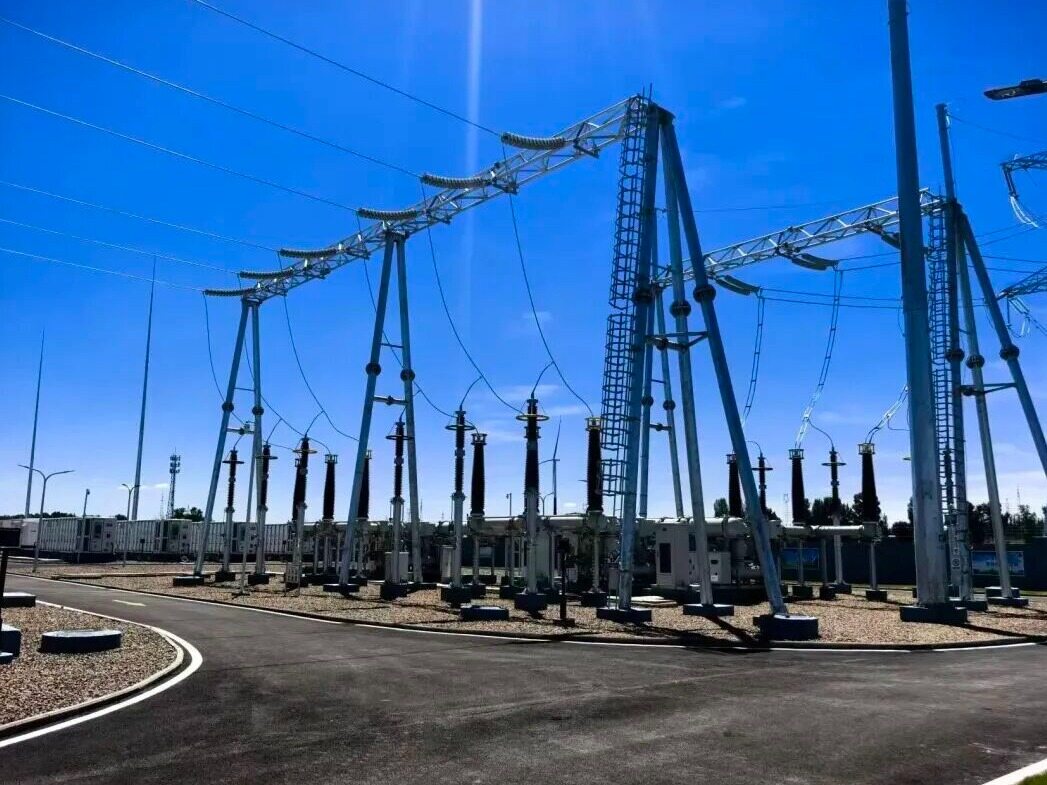
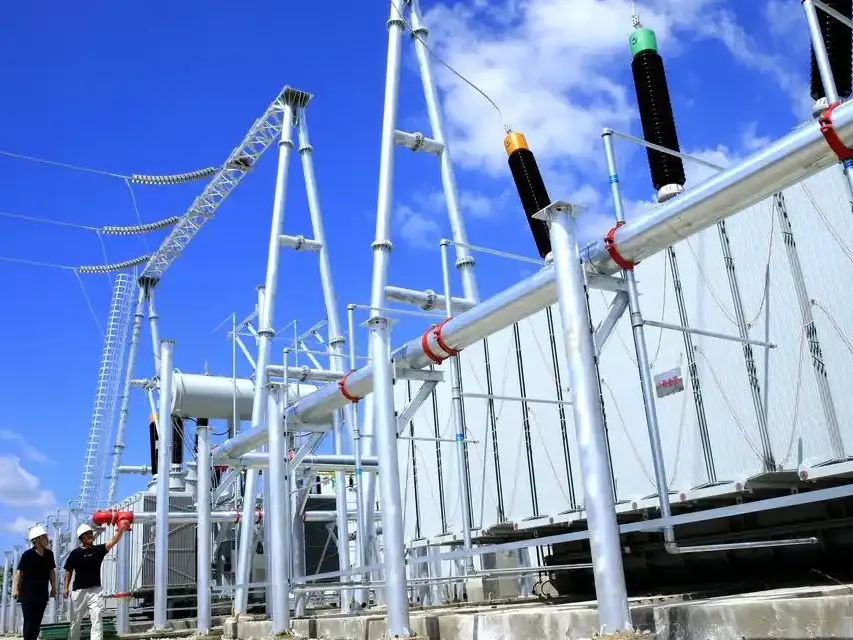
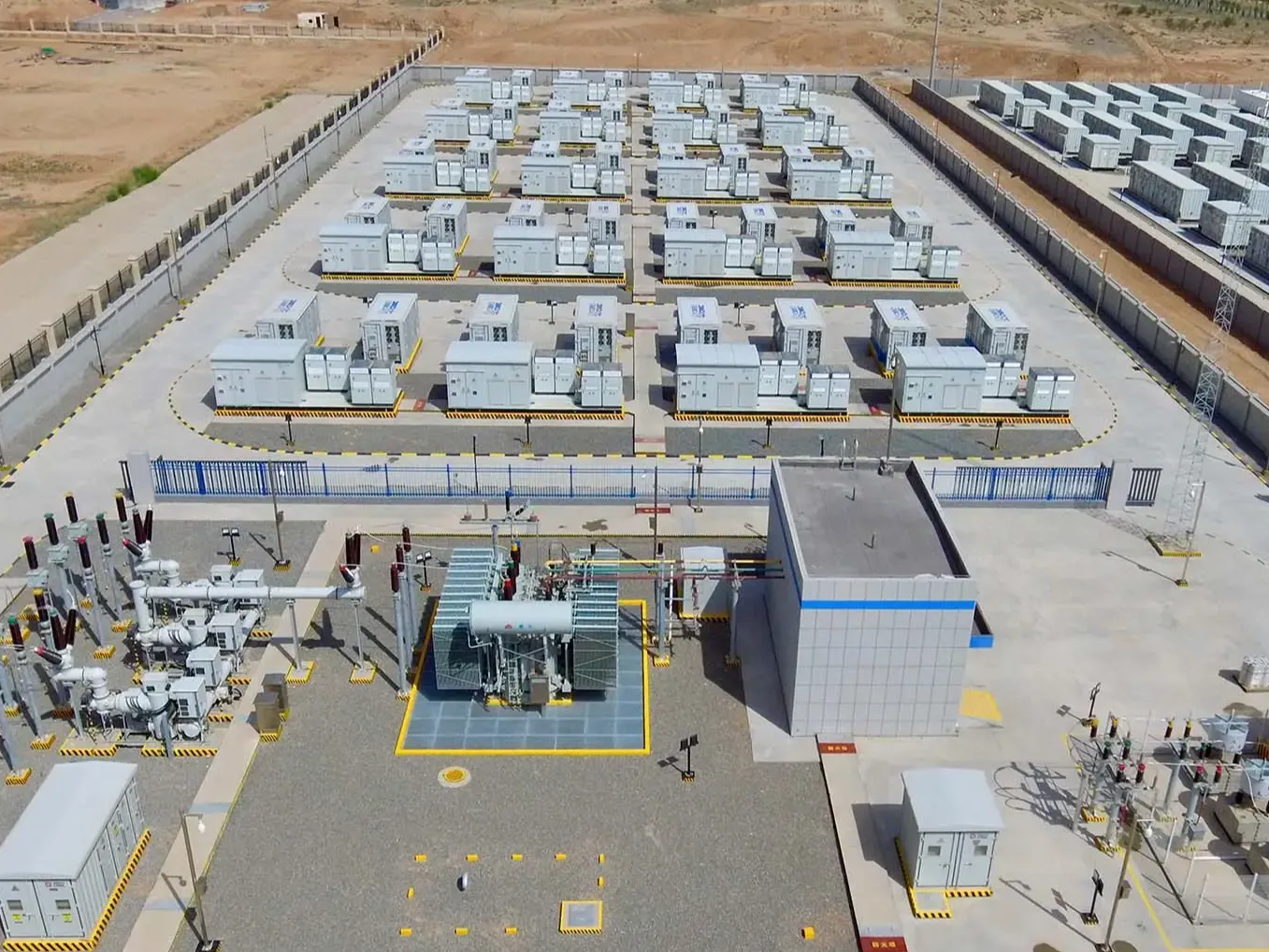
In the Zafarana area of Suez Province, Egypt, the scorching sun is scorching the desert, but the construction site is busy. The concrete pump truck extends its long arm and slowly injects the first concrete into the first set of foundation formwork in energy storage area B1. On July 7, 2026, the first concrete pouring of the 525MWh independent energy storage power station project in Horus, Egypt, jointly contracted by China Energy Engineering Zhejiang Thermal Power, Southwest Institute and International Group, was completed. On the map of China Egypt green energy cooperation, this energy storage power station is moving from the blueprint to the ground.
Grab the first watering under high temperature and sandstorm
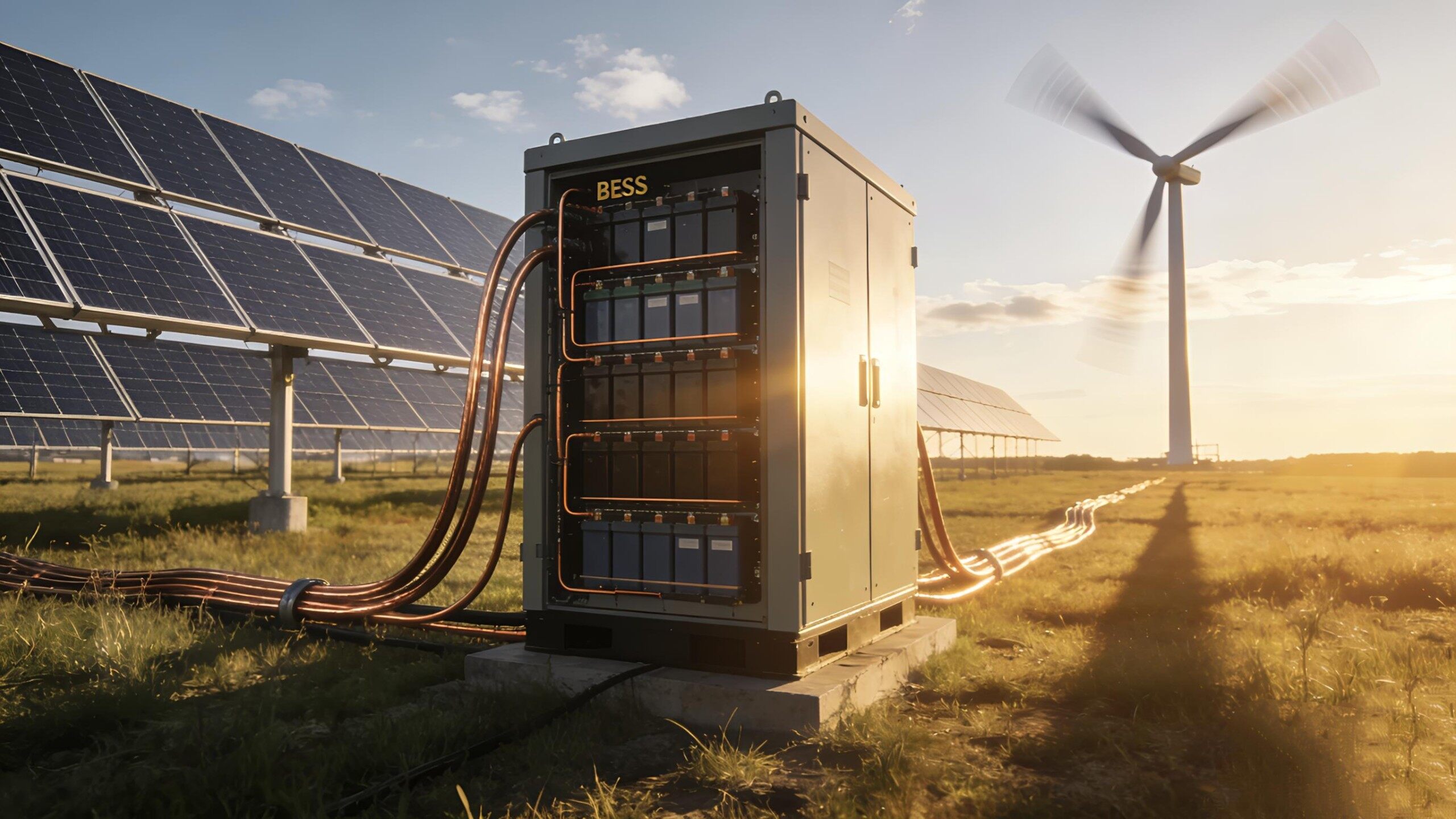
The first pouring area is the foundation of the first group of energy storage area B1, and the construction quality directly determines the long-term stable operation of the subsequent battery compartment and power distribution equipment. Continuous high temperatures and frequent sandstorms in Egypt pose severe challenges to construction. The project team refined the special plan for concrete pouring and curing, strictly implemented quality control throughout the entire process such as on-site re inspection and layered vibration, and ultimately achieved one-time pouring and one-time standard of the first concrete, setting a standardized quality model for the construction of battery compartment bases throughout the station. As one of the first independent energy storage projects in Egypt, the commissioning of Horus will effectively enhance the regional power grid regulation capacity, alleviate transmission line congestion, and help Egypt achieve its strategic goal of 42% clean energy by 2030.
1.6GWh energy storage matrix formation
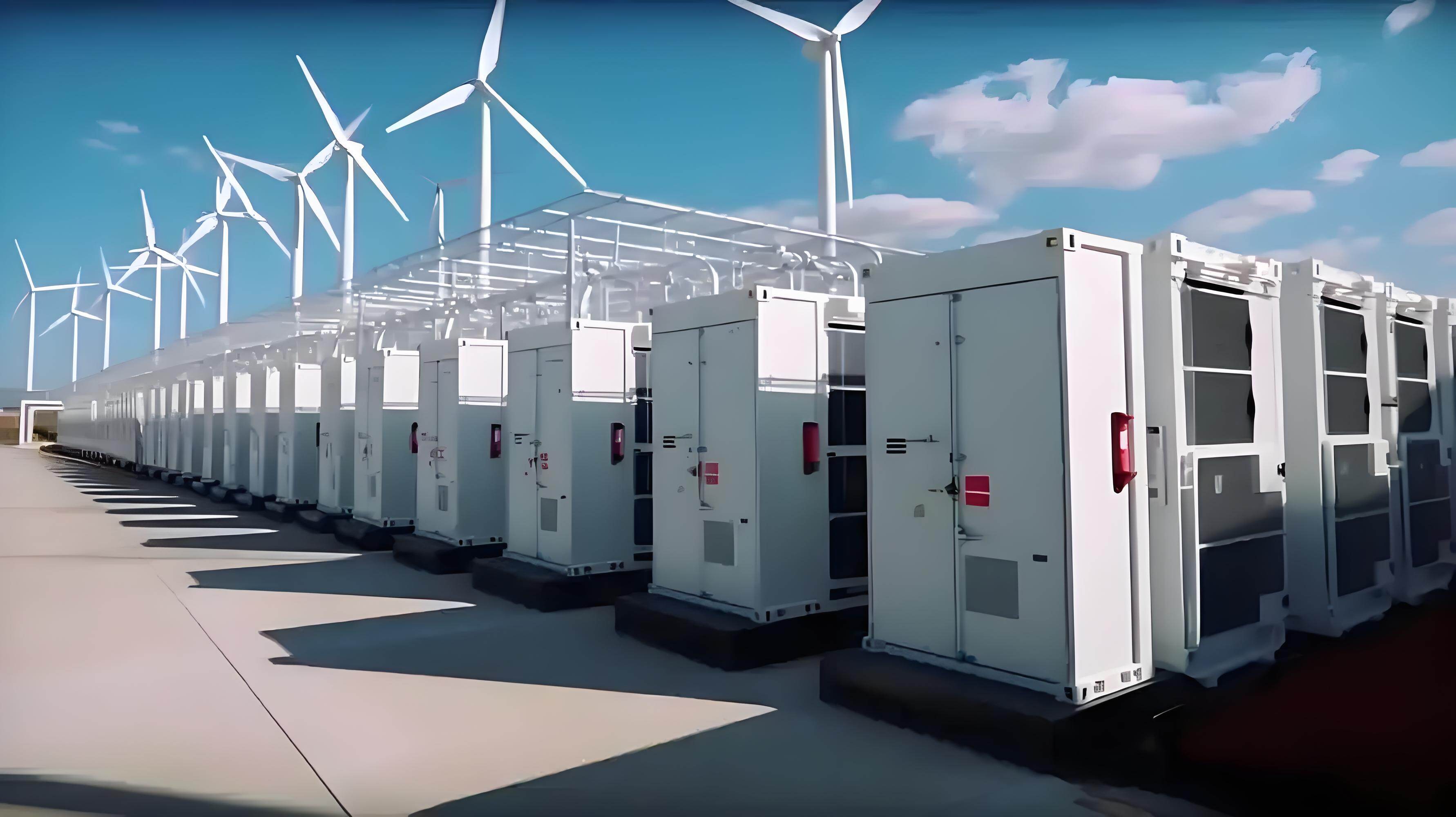
The Horus project is not an isolated case. In February 2026, China Energy Engineering Group, together with Zhejiang Thermal Power and Southwest Institute, successfully won the bid for the largest independent energy storage project in Africa - the 1000 MWh energy storage project in Benbanifiti, Egypt. Both projects are the first batch of independently operated centralized energy storage assets in Egypt, providing a total of nearly 1.6 GWh of energy storage capacity, together forming the dual engines of Egypt's energy storage strategy. After being put into operation, the two projects will play a key role in grid frequency regulation, peak shaving and valley filling, and new energy consumption, providing core support for Egypt's 2030 renewable energy goals. Keywords: New Energy News and Information, Energy Storage Going Global
Deep layout from photovoltaics to energy storage
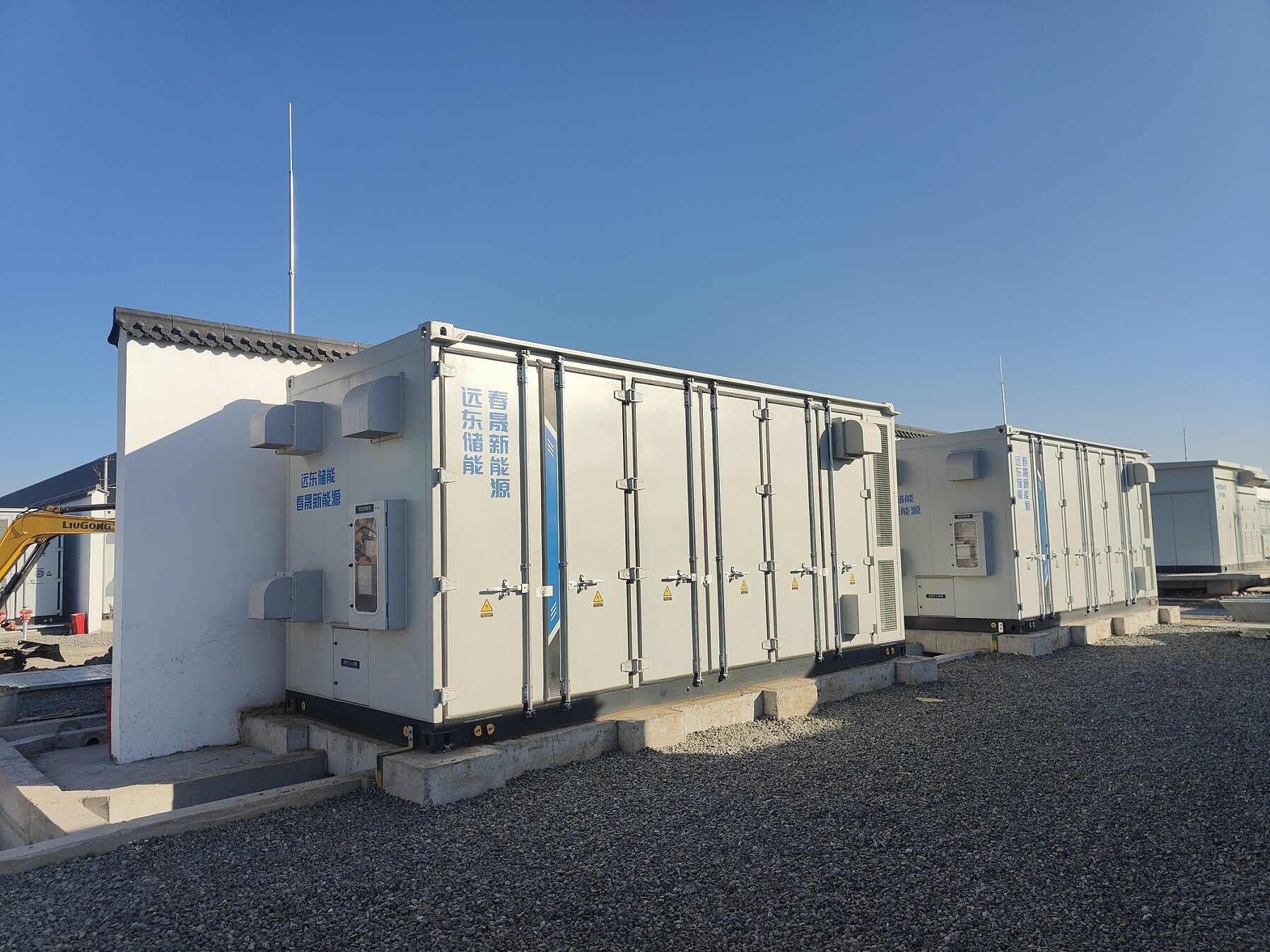
Since entering the Egyptian market in 2010, China Energy Engineering Group has undertaken more than 10 key projects with a cumulative contract amount exceeding 3 billion US dollars. Previously, the largest single solar energy storage project in Africa, Abidus Phase II, and the largest single solar photovoltaic project in Egypt, the Kangwenbo 500MW photovoltaic power station, have been implemented in the photovoltaic field. From Neferti to Horus, China can build a continuous project matrix in the Egyptian energy storage track. The total installed capacity of nearly 1.6 GWh marks the transition of China's energy storage industry chain from a single point breakthrough to a systematic layout in North Africa. The completion of the first concrete pouring in Horus is not only a construction milestone, but also an acceleration signal for China Egypt green energy cooperation to enter the fast lane. This energy storage power station in the desert is lighting up the future of energy transformation in North Africa along the extension of the Silk Road.Editor/Gao Xue
Comment

 Praise
 Collect
 Comment

 Share
Share


Write something~