 Search


- SPIC Tuqiang 20 MW floating wind power demonstration unit starts construction in Zhuhai
- It is the world's first 20 MW deep-sea floating wind turbine foundation
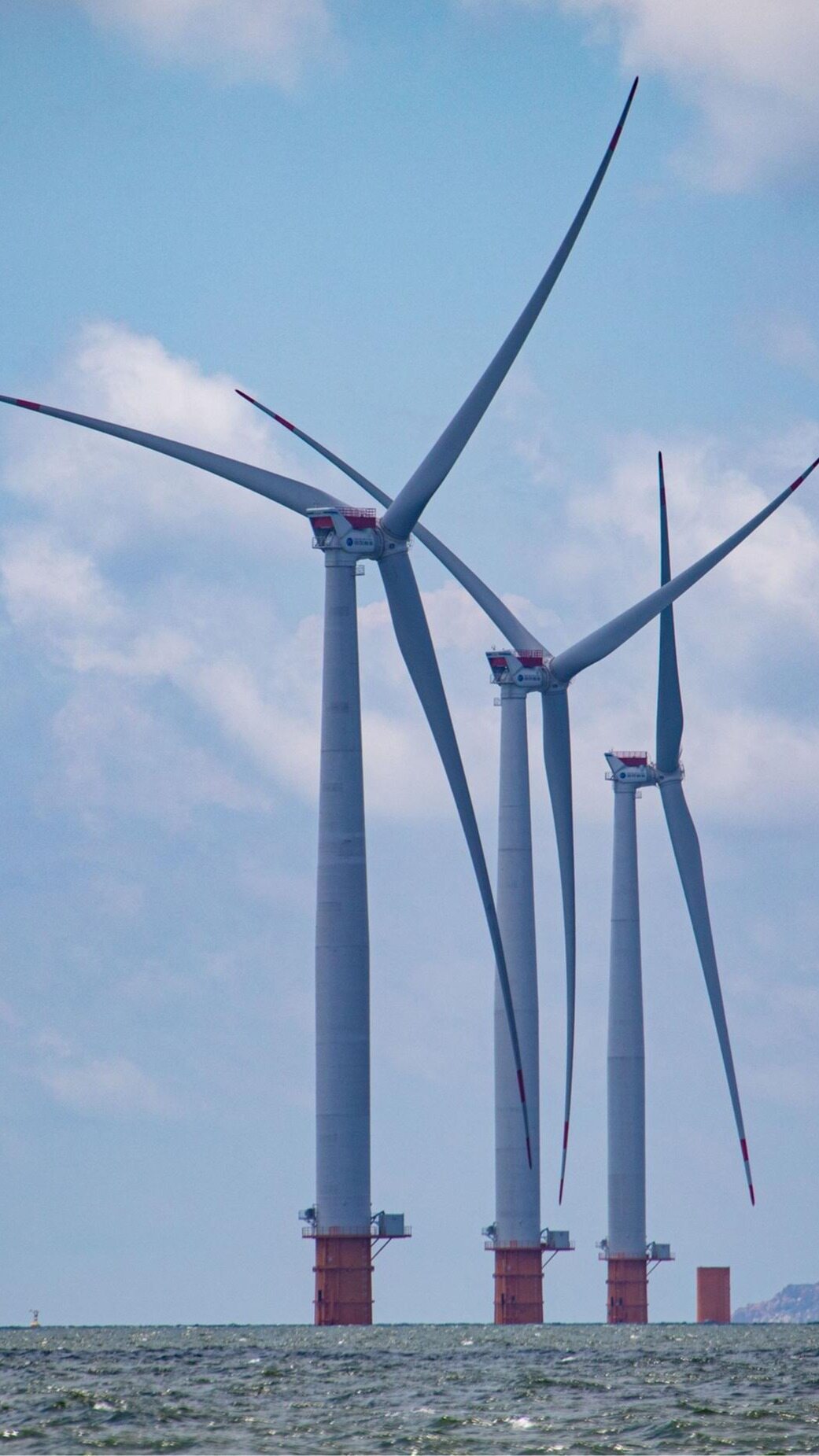
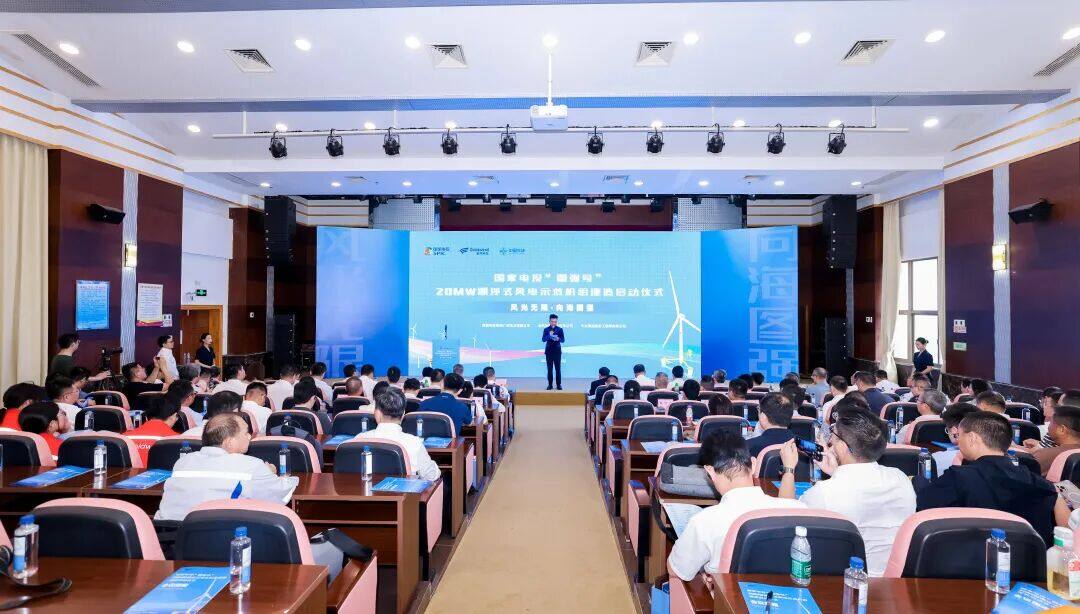
On May 20, 2026, SPIC Guangdong Company held the launch ceremony for the construction of the Tuqiang 20 MW floating wind power demonstration unit in Zhuhai, marking the official entry into the construction phase of the world's first 20 MW deep sea floating wind turbine foundation adapted to steel-concrete composite structures. The Tuqiang project carries the task of transforming the achievements of the national key research and development plan and engineering verification, and is an important milestone in China's breakthrough in deep-sea floating wind power technology.
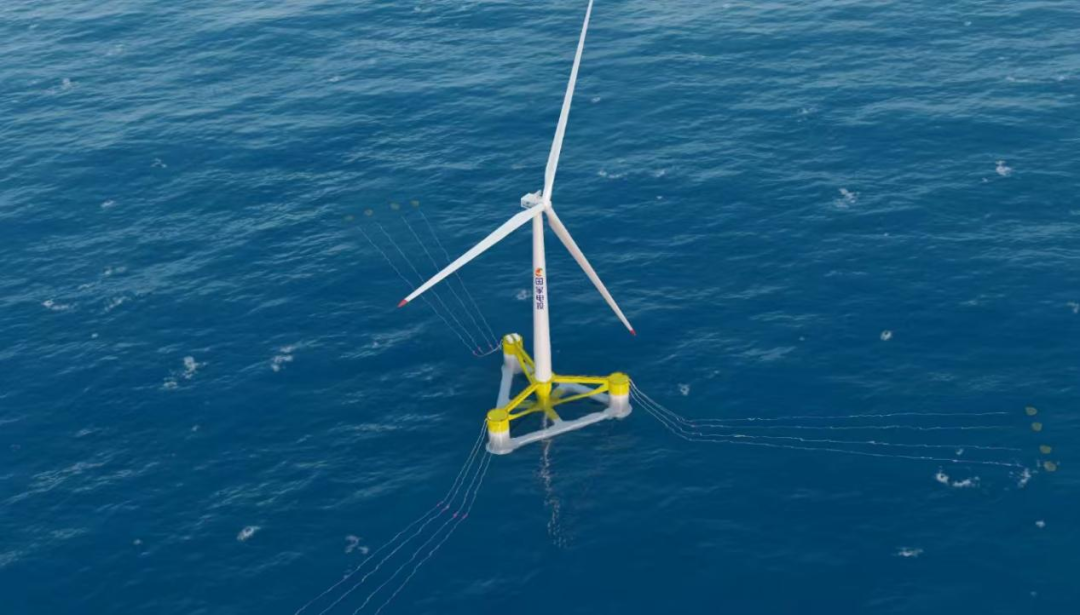
Tuqiang is a core empirical project of the national key research and development plan for the key technologies and applications of ultra large deep-sea floating wind turbines. It is led by SPIC Guangdong Company and jointly built with top domestic wind power research institutions and enterprises such as Zhejiang University, Goldwind Technology, China Communications Fourth Navigation Bureau, Guangzhou Salvage Bureau, etc., to establish a collaborative research and development system for industry university research and application. The focus is on tackling high bearing, low-cost, and highly reliable floating wind power foundation technologies applicable to China's deep-sea typhoons and complex geological conditions.
The Tuqiang floating body will be constructed at the China Communications Fourth Navigation Engineer in Zhuhai Niutou Island Prefabrication Plant. After completion, it will be installed at the SPIC Yangshan Island Three Sea Wind Farm to conduct real sea testing under typhoon conditions, promoting the leapfrog development of China's floating wind power technology. The research and design of this project took more than two years, and the participating research team conducted multiple rounds of iterative verification of the design scheme. Multiple core technologies were applied for the first time in the industry, and the overall technical level reached a global leading level.
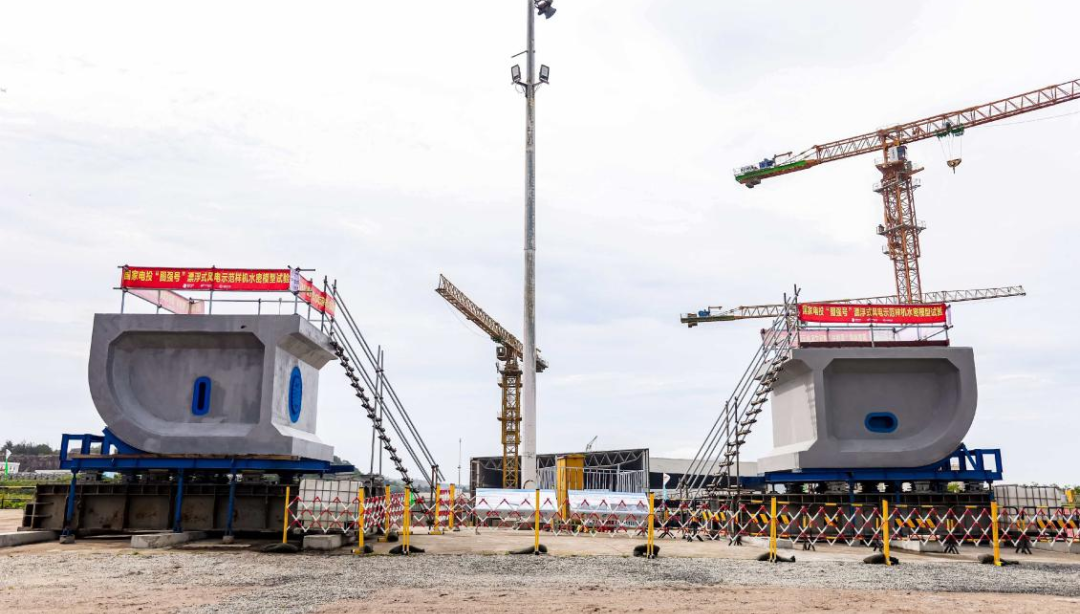
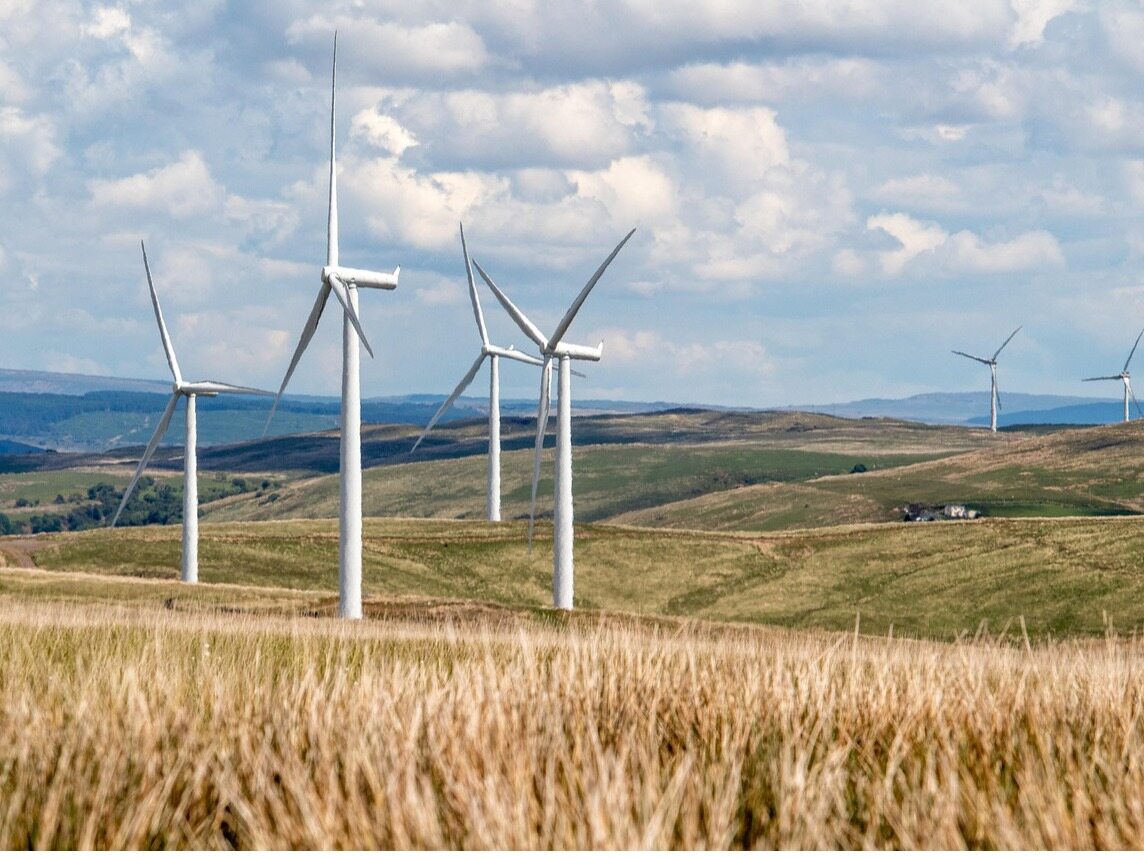
Tuqiang is the world's largest demonstration project for floating wind power single unit capacity, equipped with 20 MW floating wind turbines, with an estimated annual power generation of 55 million kilowatt hours, which can meet the electricity needs of about 16000 households. The project innovation adopts a new steel-concrete composite structure, and the steel-concrete composite section adopts a pre embedded node type. A stable whole is formed through prestressed reinforcement, which can significantly increase the application proportion of reinforced concrete materials, effectively reduce the amount of steel used in the foundation, and lower the construction cost. For the first time in China, the static dynamic offshore installation method has been adopted, relying on independently developed wave compensation offshore installation technology to solve the problem of in-situ installation of floating wind turbines, break traditional construction processes, reduce construction risks, and provide valuable experience for subsequent operation and maintenance in the industry.
Through the application of a series of innovative achievements, the steel consumption per megawatt for the basic unit of Tuqiang will be less than 300 tons; The unit kilowatt cost will be less than 20000 yuan, a decrease of more than 30% compared to the current floating prototype, which will effectively promote the transformation of China's deep-sea floating wind power from the prototype demonstration stage to the large-scale commercial application stage, leading the high-quality development of offshore wind power.
The empirical site of this project has extremely harsh sea conditions, with a flow rate of 2.3 meters per second, a maximum wave height of 23 meters once every 50 years, and a maximum wind speed exceeding 77 meters per second. Such extreme sea conditions are extremely rare among floating wind power projects worldwide. A large number of scaled model tests were conducted in the early stage of the project, which fully verified the safety and reliability of the design of the strong numbers in the drawings.
As of now, the total installed capacity of SPIC offshore wind power is 6.32 million kilowatts, of which 1.8 million kilowatts have been put into operation in Guangdong. SPIC Guangdong Company's Yangjiang, Jieyang and other projects are accelerating their progress, providing solid support for offshore wind power technology innovation and ocean integration development. The Guangdong company actively explores the integration path of "offshore wind power+", builds the "Dragon Palace" ocean ranch in Jieyang, Guangdong, promotes the demonstration of in-situ hydrogen production from seawater at the megawatt level, empowers the marine economy in multiple dimensions, and contributes the strength of central enterprises to accelerate the construction of a maritime power.Editor/Cheng Liting
Comment

 Praise
 Collect
 Comment

 Share
Share


Write something~