 Search


- The actual test of Mount Everest scene provides practical reference for the development of China's low altitude industry
- The dual track layout of northern and southern Xinjiang on Mount Everest takes into account both extreme scientific research and regular material transportation
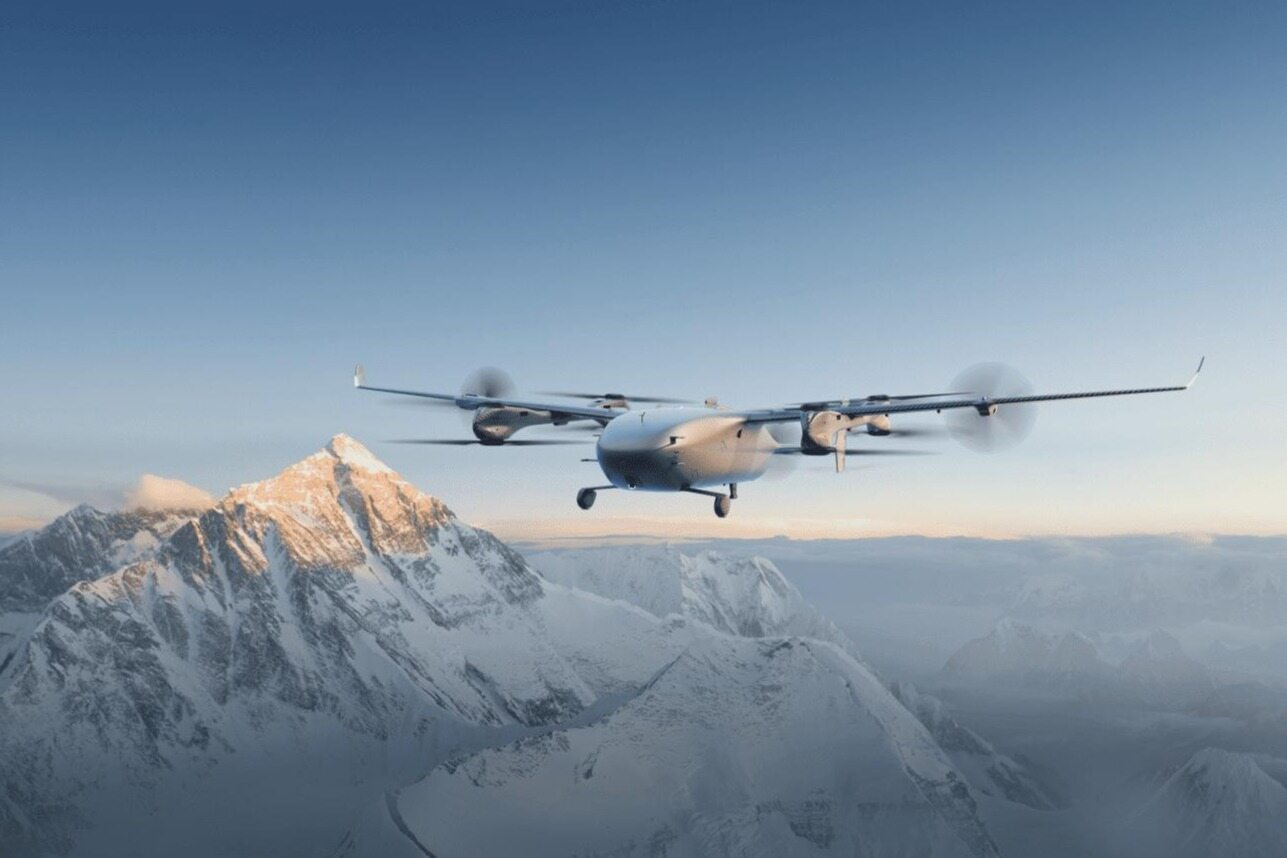
Above the clouds, the wind and snow on the roof of the world used to be a mechanical forbidden zone. When the sound of the DJI EV50 rotor pierced the silence of Mount Everest at 8800 meters, a polar experiment about survival and breakthrough quietly rewrote history. From material supplies to scientific research targets, the Steel Wing is pushing the boundaries of low altitude economy to the limit of human respiration.
EV50 Everest test flight sets record
On July 9, 2026, DJI released a new vertical lift carrier drone EV50. Prior to its debut, the new aircraft had participated in the peak mission of Mount Everest scientific expedition, taking off from the 5200 meter base camp and reaching a maximum altitude of 8861 meters, setting a new record for high-altitude scientific expeditions using drones. The DJI drone on the southern slope of Mount Everest has completed the transportation of 10 tons of materials and high-precision modeling of glaciers, and two sets of low altitude modes on the north and south slopes, fully demonstrating the path of low altitude economic scale development.

Implementation of two homework modes
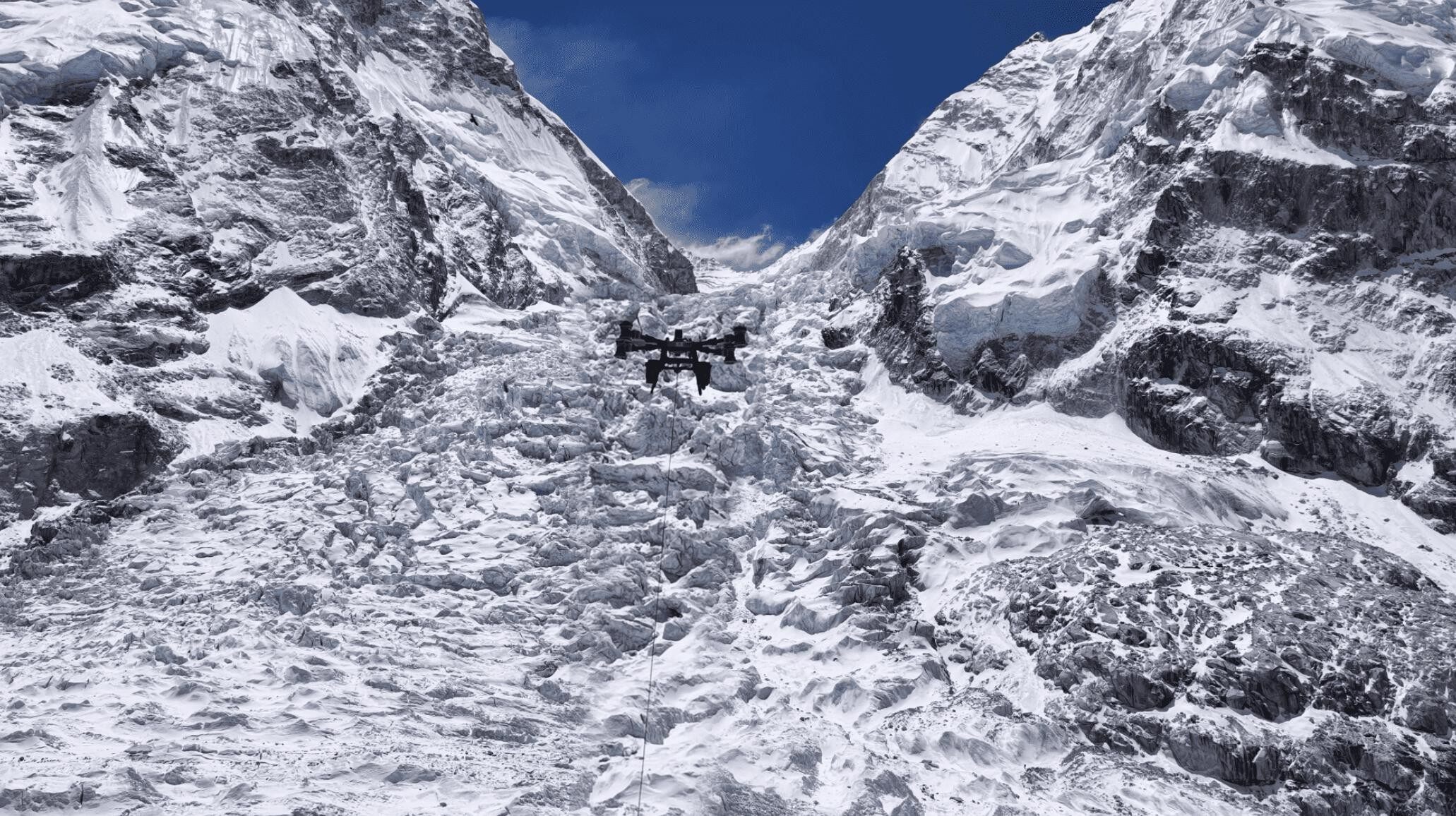
The business of Mount Everest in Xinjiang is divided into two major sectors: extreme scientific research and normal transportation. Beipo focuses on high-altitude scientific exploration: In April and May 2026, the EV50 will be equipped with scientific exploration equipment from Peking University and the Chinese Academy of Sciences. It will complete 32 flights in 12 days, with a maximum altitude of 8861 meters and a single climb of 3730 meters. It will still have 30% battery capacity upon return, and for the first time in China, it will rely on drones to complete high-altitude atmospheric observations exceeding 8800 meters.
Southern Slope focuses on normalized transportation: DJI has partnered with Nepalese companies to establish a comprehensive operation plan, and FC100 drones have set up an air supply channel to transport over 10 tons of materials throughout the season, completing human labor hours of transportation tasks in just 8 minutes.
The operation of Nanpo has undergone three years of iteration: transportation and surveying test flights will be completed in 2024; Carry out seasonal garbage collection and emergency delivery in 2025; By 2026, FC100 and M4E will achieve full scene operations and complete centimeter level modeling of 3 square kilometers of glaciers. Three years of practice have confirmed the core of low altitude economy: sustainable real-life orders are the key to industrial landing.
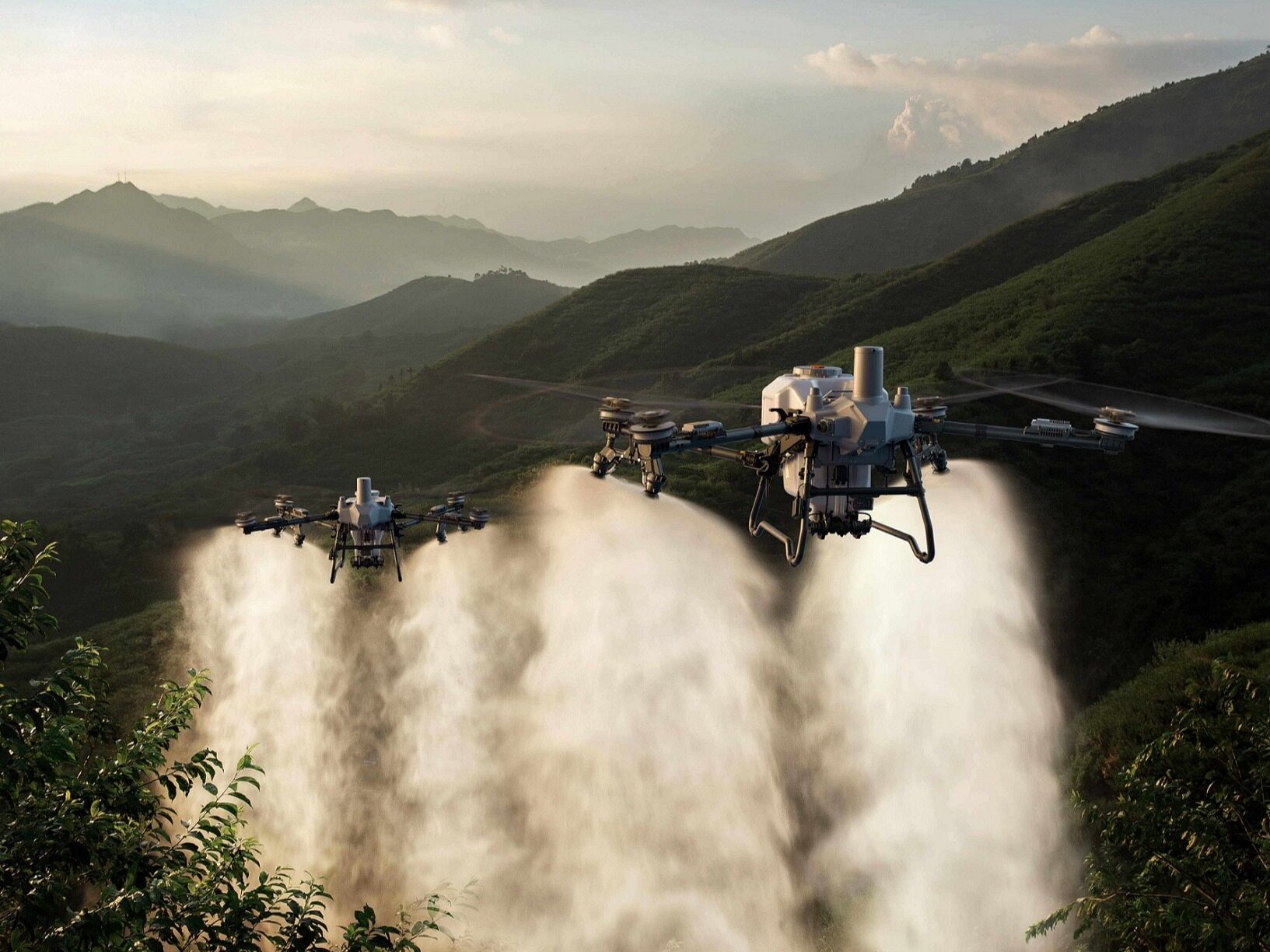
EV50 is suitable for long-distance freight transportation and extreme scientific research, with a load capacity of 50 kilograms and an empty range of 150 kilometers. The extremely cold and strong wind environment at 8861 meters on Mount Everest fully validates core technologies such as flight control and low-temperature batteries. The aircraft model that has undergone extreme testing on Mount Everest has outstanding reliability advantages in routine scenarios such as logistics and rescue. The scientific research team evaluates it as fully suitable for high-altitude observation needs.
Clarify the direction of low altitude industry
Over the past 17 years, DJI has relied on Mount Everest to complete four rounds of technological upgrades: high-altitude flight control verification was completed in 2009-2010; 2022 drone summit aerial photography; Realize commercial material transportation by 2024-2025; In 2026, EV50 will reach 8861 meters to achieve a breakthrough in high-altitude scientific research. DJI stated that Mount Everest is a benchmark for testing its own technological strength.
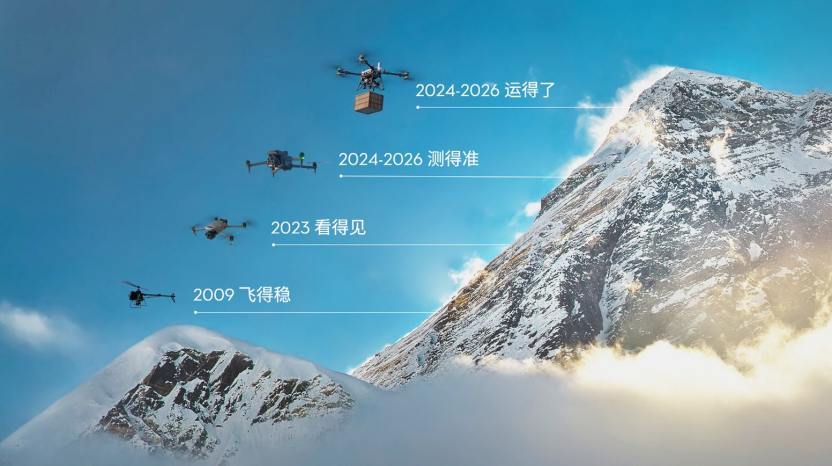
Practice on Mount Everest guides the development of low altitude industries.The practice of Mount Everest in Xinjiang provides development ideas for low altitude economy. Firstly, extreme field testing is the best technical verification method, and the extreme environment of 8861 meters forces product performance upgrades; Secondly, the commercialization of low altitude requires long-term real-life polishing and gradual establishment of an operational loop; Thirdly, the core of industry competition has shifted from hardware performance to full scenario system integration. The domestic low altitude industry association will continue to promote the experience of landing on Mount Everest, promote the sinking of advanced high-altitude technology into urban livelihoods and industrial scenes, and enable the low altitude economy to land in the real economy.Editor/Gong Ziwei
Comment

 Praise
 Collect
 Comment

 Share
Share


Write something~