 Search


- Marking another breakthrough of China's energy engineering strength in the high-end market of the Middle East
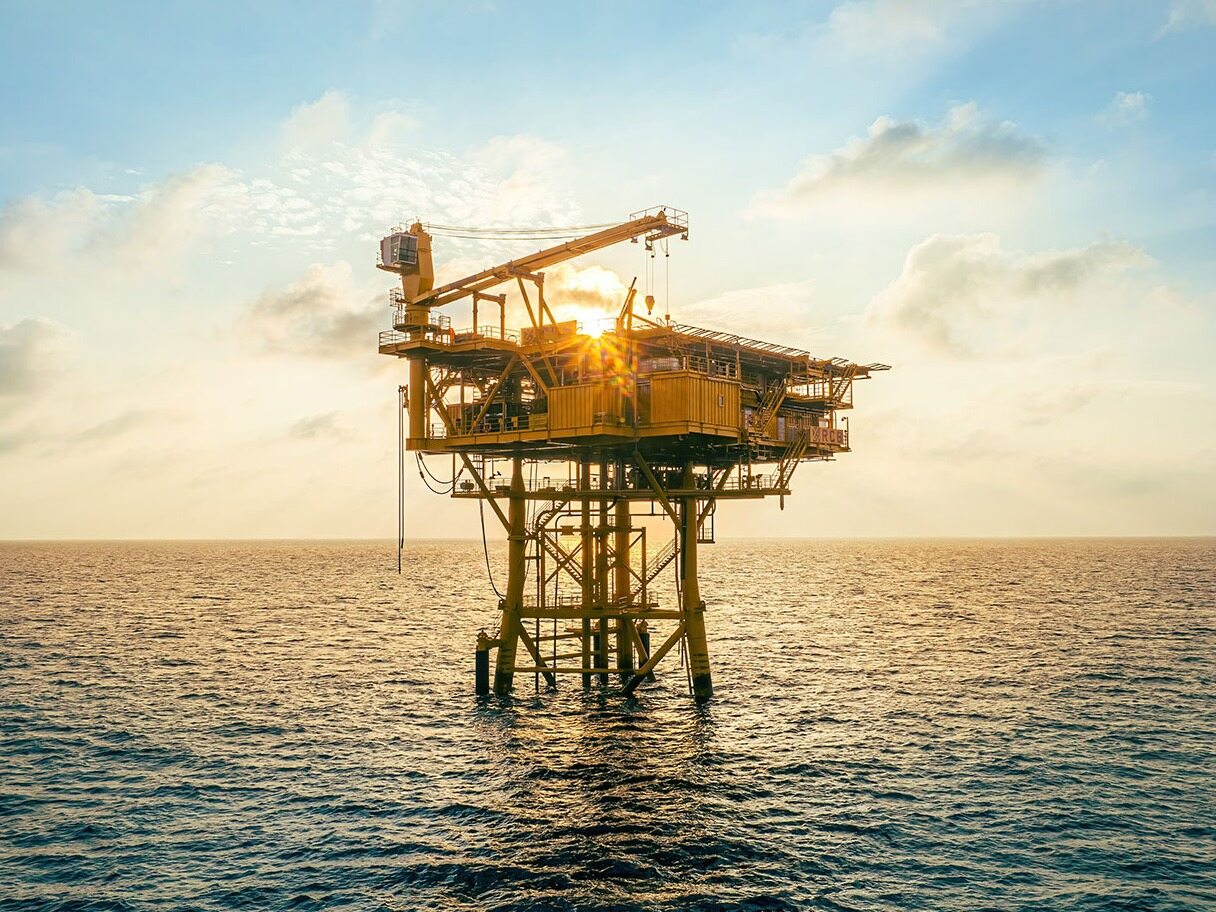
Deep in the Abu Dhabi desert, the drilling platform of the Habsan complex roars day and night. Here lies the key puzzle of the UAE's energy future - rich gas resources. In August 2026, a news from Abu Dhabi National Oil Company (ADNOC) shook the global energy engineering community: an EPC contract worth $8.2 billion was officially awarded, with the most notable name being a company from Shanghai, China.
Wison Engineering has won the RGD Phase II contract worth 3.9 billion US dollars, tied with Italy's Tecnimont. For this Chinese company that has long been deeply involved in the field of energy and chemical engineering, this is not only a heavy order, but also the key to opening the door to the core natural gas track in the Middle East.
3.9 billion US dollars spent on Wison
The $8.2 billion contract awarded by ADNOC Gas is divided into two parts. Huisheng Engineering is responsible for the second phase of the RGD project, with a contract amount of approximately 3.9 billion US dollars. Tecnimont, Italy has been awarded a three-phase contract worth $4.3 billion.
The RGD project, also known as the Habsang Complex Rich Gas Development Project, is a core component of ADNOC's global expansion plan for the largest natural gas processing facility. The second phase of the project will build a new natural gas processing production line, with the goal of expanding processing capacity, improving operational flexibility, and matching the continuously rising gas demand of downstream industries and petrochemical industries in the United Arab Emirates. The third phase of the project focuses on improving the fractionation capacity of Luweis natural gas condensate, aiming to increase the recovery rate and export volume of high-value condensate in rich gas.
With the final investment decision and contract signing, ADNOC Gas is pushing forward with this ambitious plan at full speed. For Wison Engineering, $3.9 billion means high-intensity delivery pressure for project execution in the coming years, and also means that its ability in ultra large natural gas processing projects will be subject to the world's most stringent owner inspections.
13.2 billion US dollars investment map
If the camera is zoomed out, the RGD project is just a puzzle piece in the ADNOC natural gas map, but it is an astonishingly large puzzle piece.
After the implementation of the $8.2 billion contract, the overall investment scale of the RGD project has further expanded. Combined with the promised investment of 5 billion US dollars in the first phase, the total investment amount of the project has reached 13.2 billion US dollars. This is not a small amount - it is almost equivalent to the annual energy infrastructure budget of many countries.
At the same time, ADNOC Gas is also simultaneously advancing three other flagship projects: Ruwais liquefied natural gas, maximizing ethane recovery and commercialization, and Estidama project. These four major projects are regarded by ADNOC as future growth engines, expected to jointly create approximately $13.4 billion in domestic value, directly driving the development of local industries, supply chain construction, and economic diversification transformation in the UAE.
From a national strategic perspective, the UAE is attempting to maximize the value of its natural gas assets during the energy transition window. The RGD project is the physical carrier of this strategy - converting underground resources into above ground production capacity, and then into export revenue and industrial raw materials.
Another drop in the Middle East market
Huisheng Engineering is headquartered in Shanghai and its business covers the entire chain of engineering design, procurement, construction management, and project delivery in the fields of natural gas, petrochemicals, refining, and new energy. This winning bid is not accidental. In the past few years, this company has continued to increase its presence in the Middle East market, gradually upgrading from early project involvement to core project turnkey.
The Middle East is experiencing an unprecedented investment cycle in energy infrastructure. On the one hand, Gulf countries need to maintain cash flow from oil and gas revenues, and on the other hand, they are also laying out chemical and new material industry chains for the post oil era. The dual properties of natural gas as a bridge fuel and chemical raw material make it one of the most investment intensive links.
For Chinese engineering companies, the threshold for the Middle East market is extremely high - technical standards, HSE requirements, and localization ratios are all strictly regulated. Huisheng Engineering's ability to win a $3.9 billion contract indicates that it has the strength to compete with top engineering companies in Europe and America in terms of technical capabilities, project management, and international business operations.
The larger context is that Chinese engineering forces are rapidly transitioning from subcontractors to general contractors and from peripheral projects to core projects in the energy sector in the Middle East. From Saudi Arabia to the United Arab Emirates, from refining to natural gas, the presence of Chinese companies is increasingly appearing on the shortlist of homeowners. The winning bid of Huisheng Engineering is another landmark node in this trend.Editor/Yang Meiling
Comment

 Praise
 Collect
 Comment

 Share
Share


Write something~