 Search


- Strengthening the national gas supply pattern and enhancing the resilience of local gas source supply in the western coal to gas base
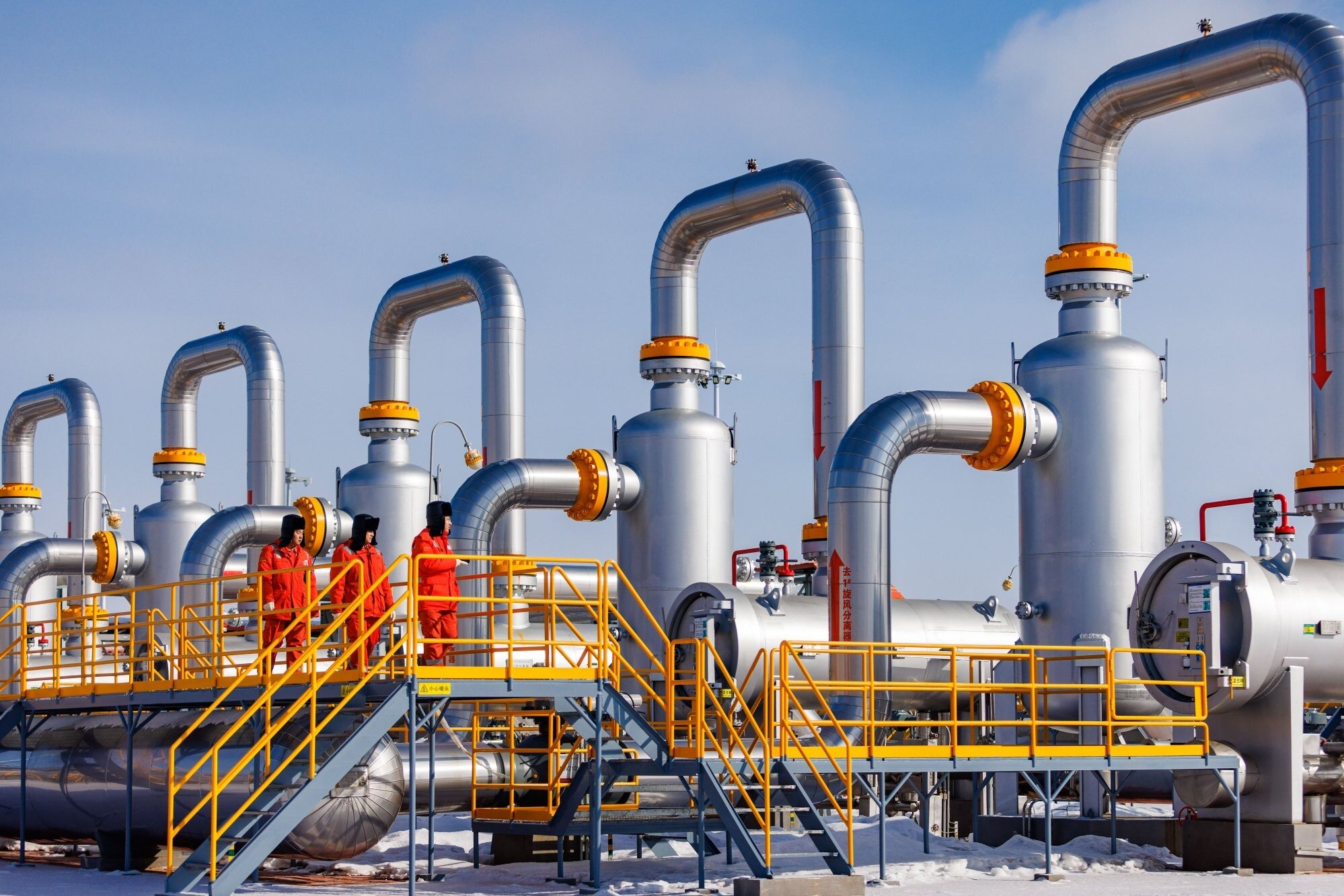
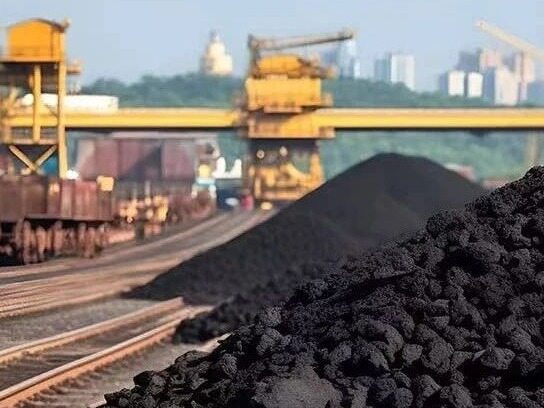
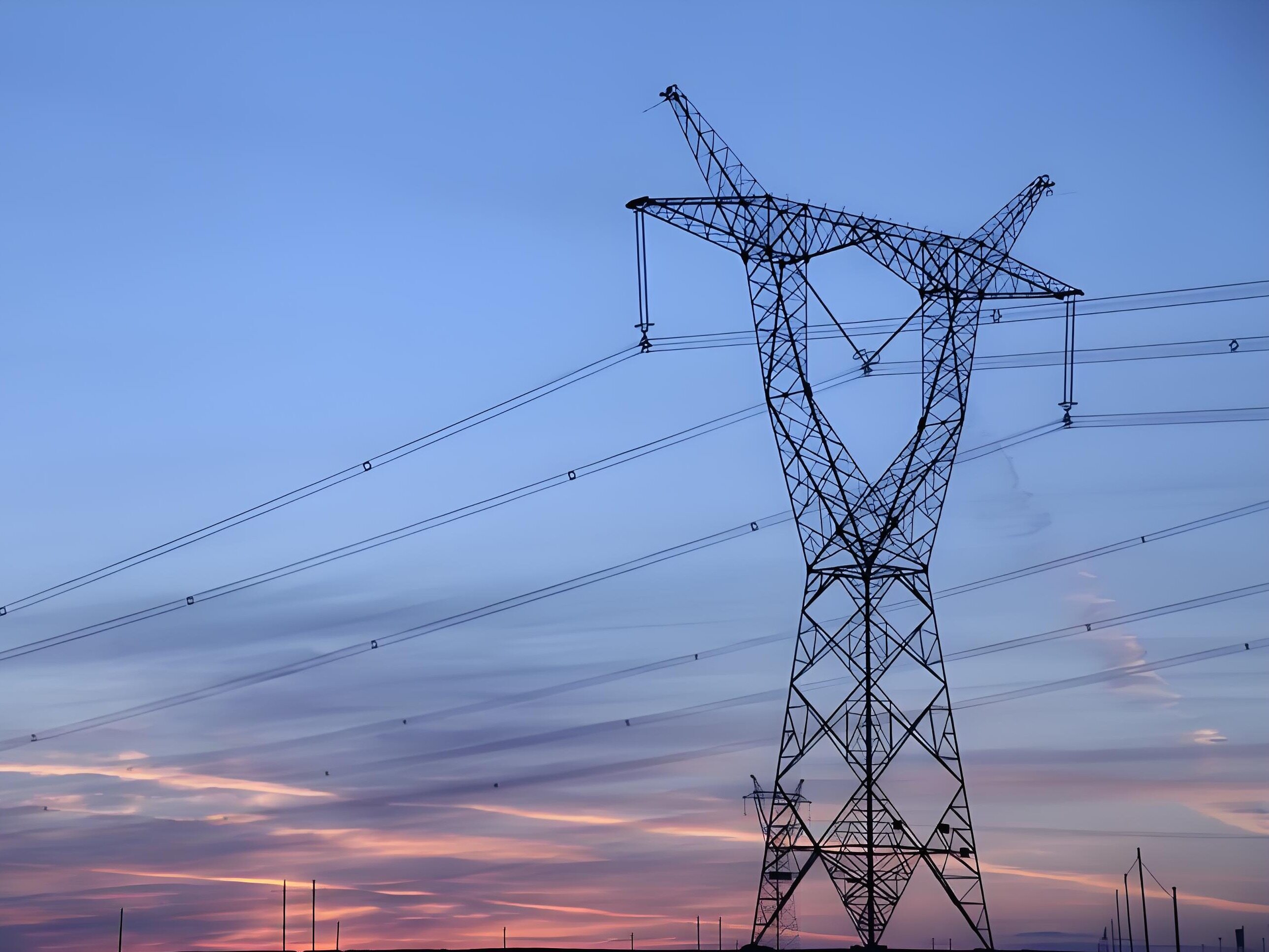
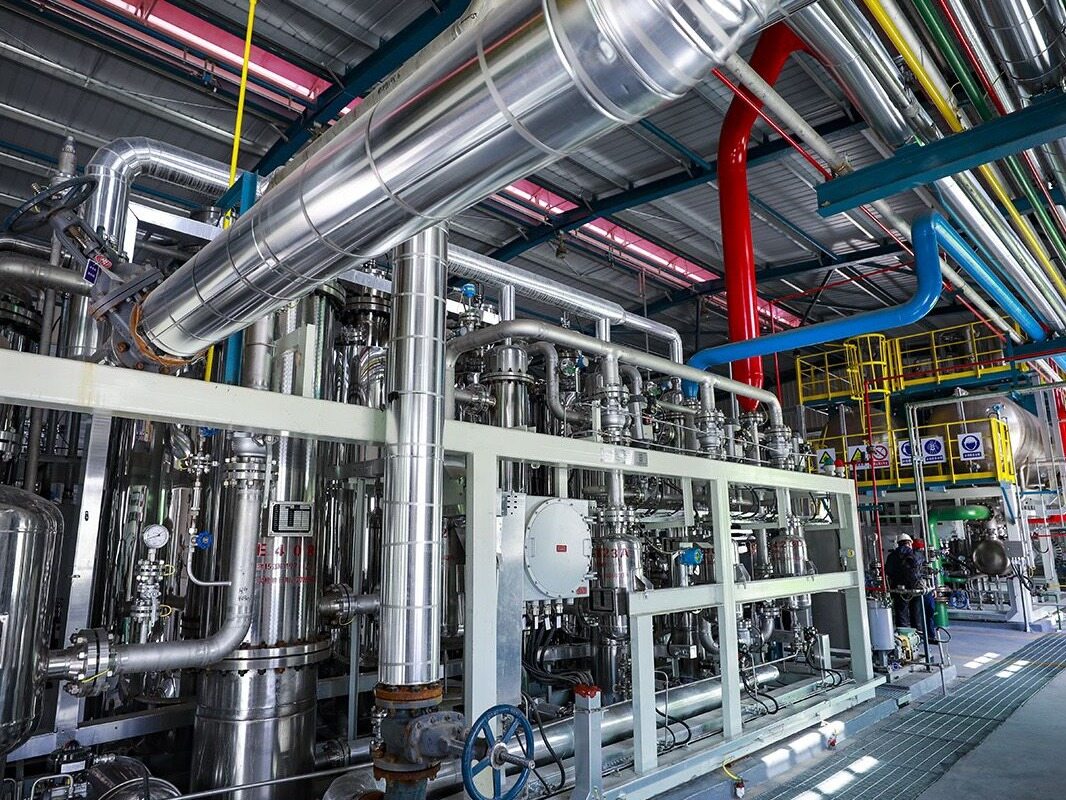
In September 2026, the trunk line project of the Junggar Basin coal to natural gas export pipeline was officially started in the eastern margin of Junggar Basin. This planned pipeline, with a total length of 780 kilometers, will cross the hundred mile wind zone and the Gobi Desert, converting the abundant coal resources of the Zhundong coalfield into synthetic natural gas on site. It will be connected to the West East Gas Pipeline 4 at the Hami Liangdun Compressor Station and flow into the national natural gas backbone network. As the largest coal to natural gas base supporting export pipeline in China to date, its construction marks a new stage for the Zhundong coal to gas base from the independent construction of gas source projects to the integration of gas source and pipeline network supporting facilities.
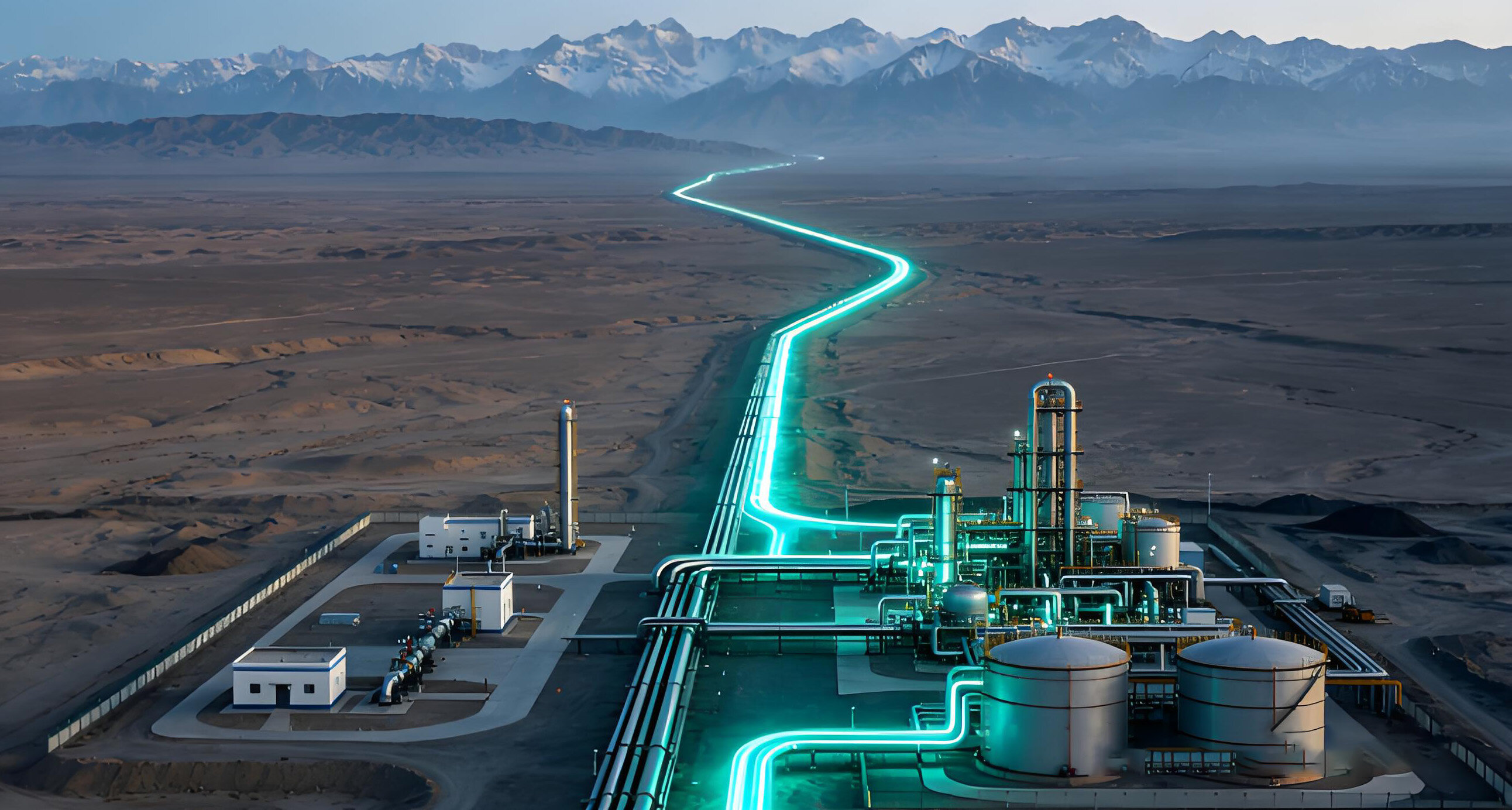
780 kilometers to clear the bottleneck of external transmission
The project will be constructed in three phases, with the first phase consisting of one main line and two branch lines, with a designed annual gas transmission capacity of 6 billion cubic meters. The main line starts from Jiji Lake Station in Mulei County, Changji, and ends at Liangdun Compressor Station in Yizhou District, Hami. The line is about 254 kilometers long, with a diameter of 914 millimeters and 3 stations and 8 valve chambers. The supporting branch line has a total length of 114 kilometers and is responsible for gathering synthetic natural gas produced by multiple coal to gas enterprises in the Zhundong Development Zone, and transporting it to the Jiji Lake initial station for centralized export. The branch line was launched in March 2025 and the first phase is planned to be completed and put into operation by the end of 2026. The project is the first large-scale application of D610 caliber pipeline internal welding machine fully automatic welding technology in China, with a welding pass rate of over 99.24%.
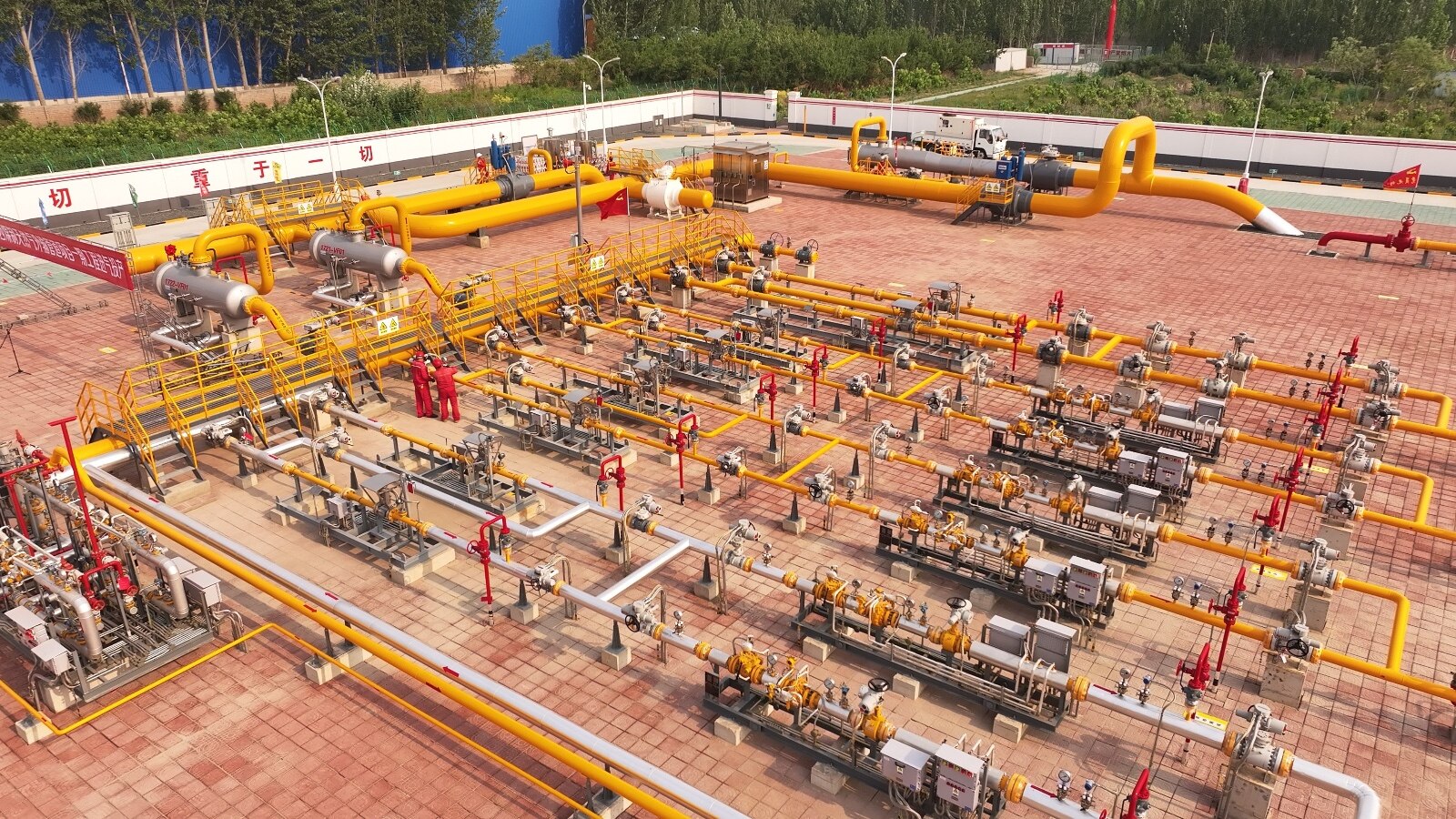
Zhundong Coalfield Supports Strategic Gas Sources
The Zhundong Coalfield has proven coal reserves of 253.1 billion tons and predicted resources of 390 billion tons, making it one of the four strategic coal to oil and gas bases designated by the country. By 2030, the planned production capacity of coal to natural gas in Zhundong Base will reach 14 billion cubic meters per year, and the first phase of implementation will be 6 billion cubic meters, which perfectly matches the scale of pipeline transportation in the first phase. The current total investment of the 2 billion cubic meter project of TBEA's quasi energy chemical industry is 17 billion yuan, with supporting CCUS carbon capture and green electricity hydrogen production system; The Xinjiang Xinye Group's 2.019 billion cubic meter project has a total investment of 15.487 billion yuan and co produces high value-added chemical products. The combined production capacity of the two projects exceeds 4 billion cubic meters, forming the main source of gas supply for the first phase. Keywords: New Energy News Network, Coal and Natural Gas
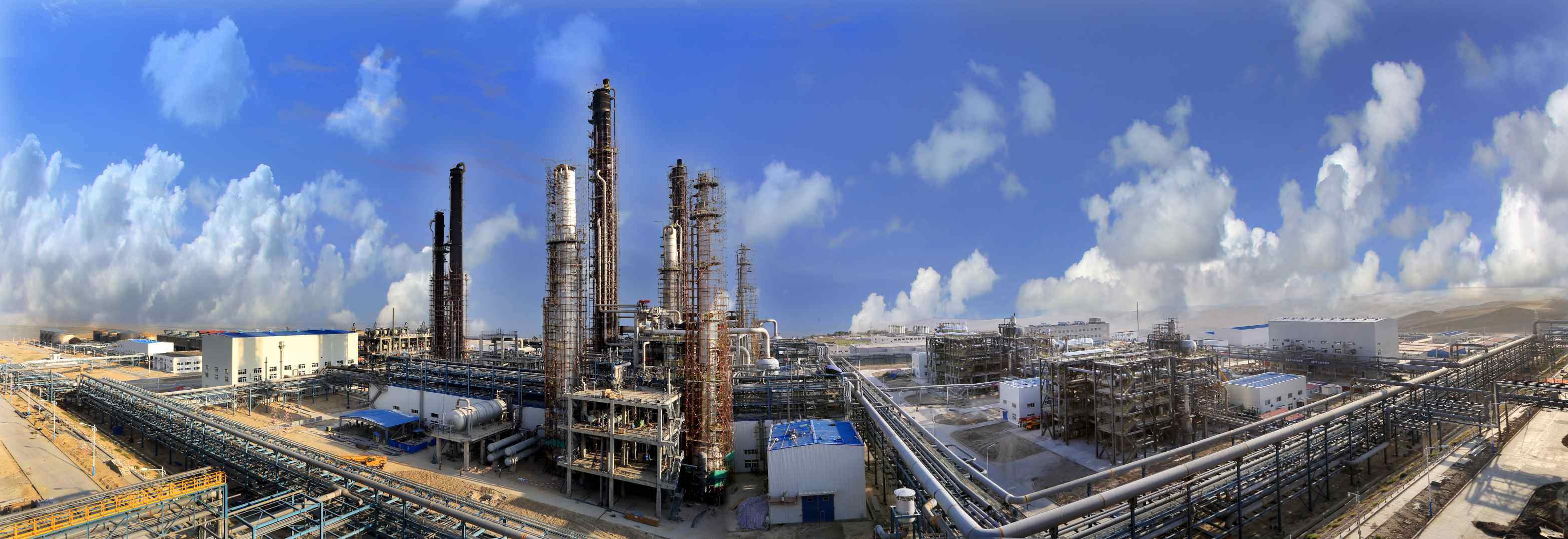
Local gas sources enhance supply resilience
China's natural gas supply consists of three parts: domestic conventional natural gas, imported pipeline gas, and imported LNG. Coal to gas is positioned as a local strategic gas source supplement and energy security backup option. The annual production capacity of 6 billion cubic meters is an incremental supplement, but it can play a role in peak shaving and bottoming out during winter gas consumption peaks and extreme market fluctuations. The addition of local gas sources in the western region can share the supply pressure of coastal LNG receiving stations, forming a pattern of complementary gas sources in the western pipeline and coastal LNG. The coal to gas industry is facing triple constraints of water resources, carbon emissions, and economic viability. New projects are generally equipped with CCUS and green electricity coupling to reduce carbon emissions, and there is a clear ceiling on production capacity. As a moderately newly built molecular energy trunk line, the Zhundong pipeline currently undertakes the task of coal to gas transportation and has the infrastructure base value to carry more green molecular energy in the medium and long term.Editor/Gao Xue
Comment


 Praise
 Collect
 Comment

 Share
Share


Write something~